All-on-Four dental implants are frequently described as revolutionary – and in carefully selected cases, they are. The ability to restore a full arch of teeth using strategically positioned implants can be transformative for patients who have struggled with dentures or extensive tooth loss.
However, responsible implant dentistry is not defined by how often you say yes.
At The Briars Dental Centre, assessing All-on-Four suitability is a meticulous process. While some providers focus on speed or broad accessibility, our priority is long-term stability, biological health, and predictable function. In certain circumstances, the most ethical decision is to delay treatment — or to recommend a different approach altogether.
Understanding why All-on-Four may not be suitable is as important as understanding its benefits.
All-on-Four is not simply the placement of four implants. It is a comprehensive full-arch rehabilitation that must integrate surgical precision, restorative planning, occlusal stability, and long-term maintenance strategy.
Suitability depends on multiple interacting factors:
Bone quality and anatomical structure
Periodontal stability
Functional bite dynamics
Systemic health
Patient expectations and compliance
Overlooking even one of these variables can compromise longevity.
Implants require a biologically stable foundation. Where gum disease remains active, inflammation and progressive bone loss create an environment that increases the risk of complications.
Before assessing All-on-Four suitability, we ensure that periodontal health is stabilised. In some cases, this requires staged treatment to control infection and improve tissue health before implant planning begins. Proceeding without this step significantly increases long-term risk.
While the All-on-Four concept was designed to maximise available bone and sometimes reduce the need for grafting, this does not eliminate the need for detailed three-dimensional analysis.
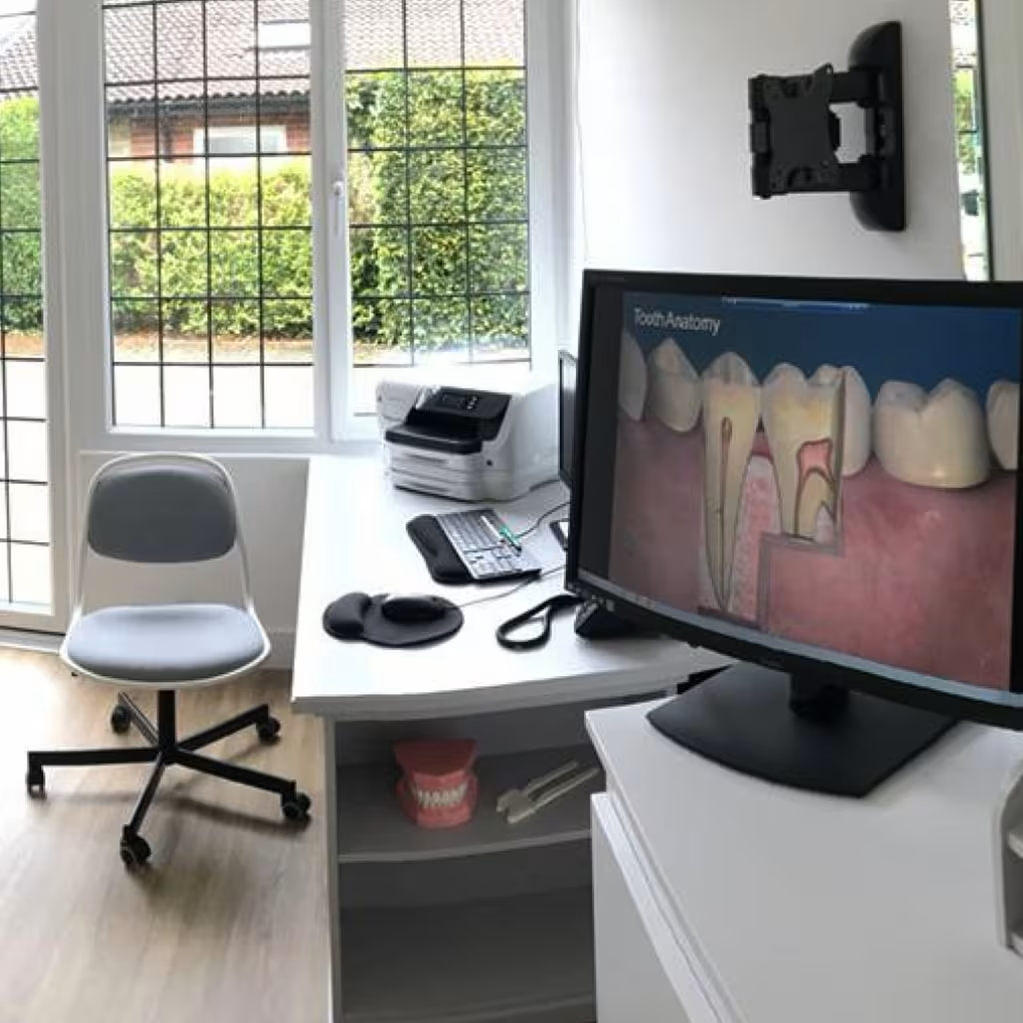
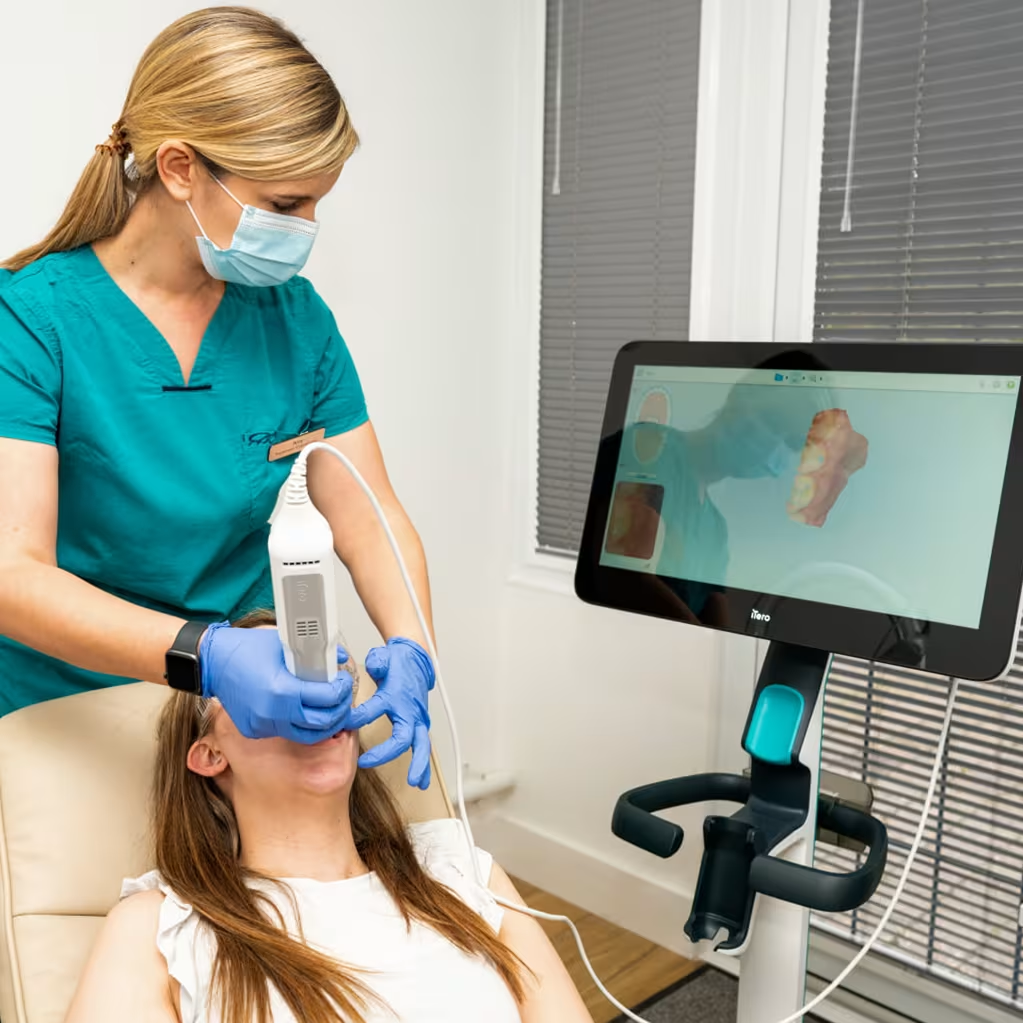
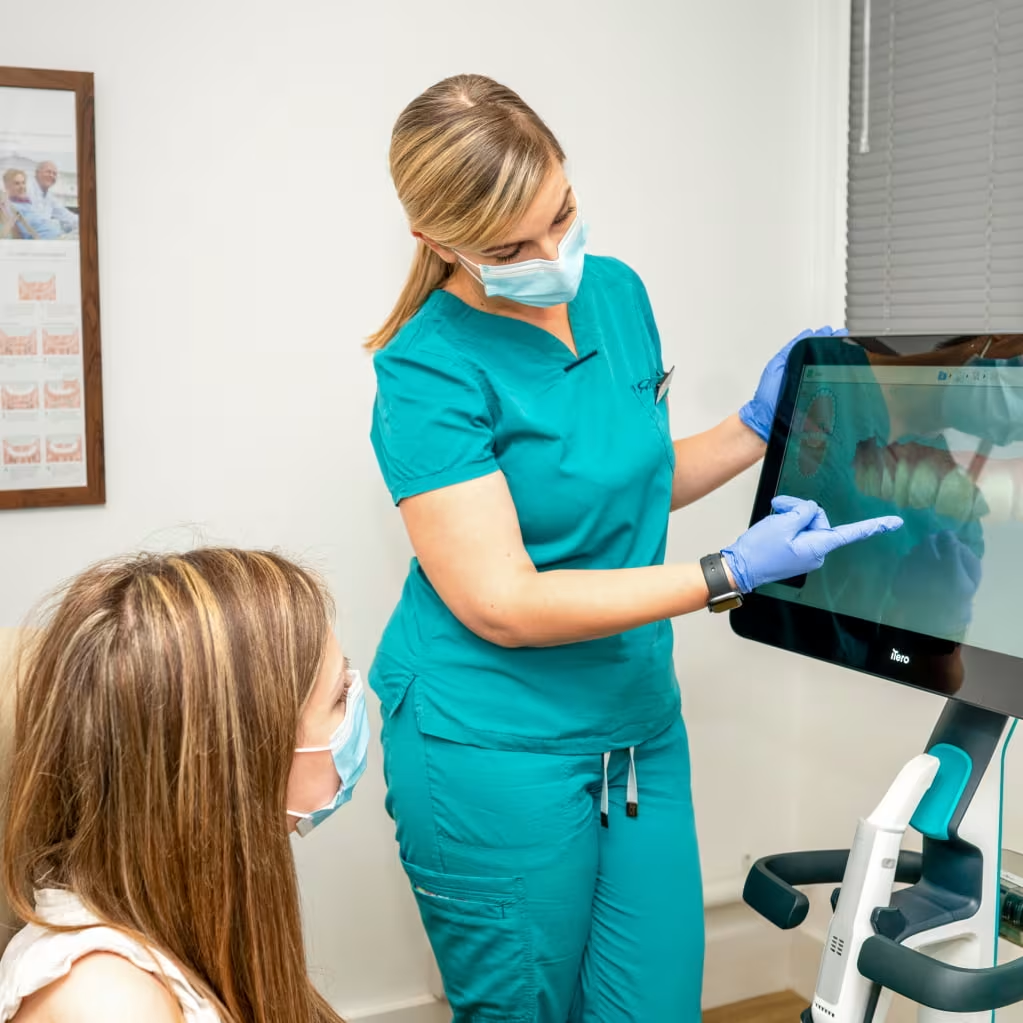
Advanced imaging allows us to assess bone density, anatomical limitations, and implant positioning with precision. Where bone loss is advanced, alternative strategies or preparatory procedures may be required to protect long-term outcomes.
Predictability comes from planning, not assumption.
Healing and integration are influenced by overall health. Conditions such as poorly controlled diabetes, heavy smoking, autoimmune disorders, or certain medications can impair healing capacity.
These factors do not automatically exclude treatment. However, they significantly influence All-on-Four suitability and must be carefully evaluated and discussed. Responsible care requires transparency about increased risk profiles.
Many patients considering full-arch rehabilitation present with years of wear, collapse of vertical dimension, or unstable bite relationships.
Implants do not behave exactly like natural teeth under load. If occlusal forces are not properly assessed and managed, implants can be overloaded, increasing the likelihood of mechanical complications or bone stress.
Careful bite analysis and restorative planning are essential to long-term stability.
Marketing around full-arch solutions can create the impression of instant transformation without complexity.
While immediate provisional teeth may be possible in appropriate cases, healing, adaptation, and refinement are still part of the journey. All-on-Four suitability includes assessing whether a patient understands and accepts the biological and maintenance realities of implant care.
Clarity prevents disappointment.
Implant-supported restorations require lifelong review and meticulous hygiene. Access for cleaning, regular professional assessment, and patient compliance are non-negotiable elements of success.
If maintenance planning is not realistic or sustainable, the long-term prognosis is affected. Suitability therefore extends beyond surgery to include commitment to ongoing care.
Perhaps the most important aspect of All-on-Four suitability is recognising when another solution may provide a better outcome.
In some cases, staged implant placement, orthodontic repositioning, or a more conventional implant strategy offers greater stability. In others, preparatory treatment is required before full-arch rehabilitation is considered.
Saying no to a single solution allows us to say yes to the right one.
Many implant complications originate not from surgical error, but from optimistic case selection and incomplete planning at the consultation stage.
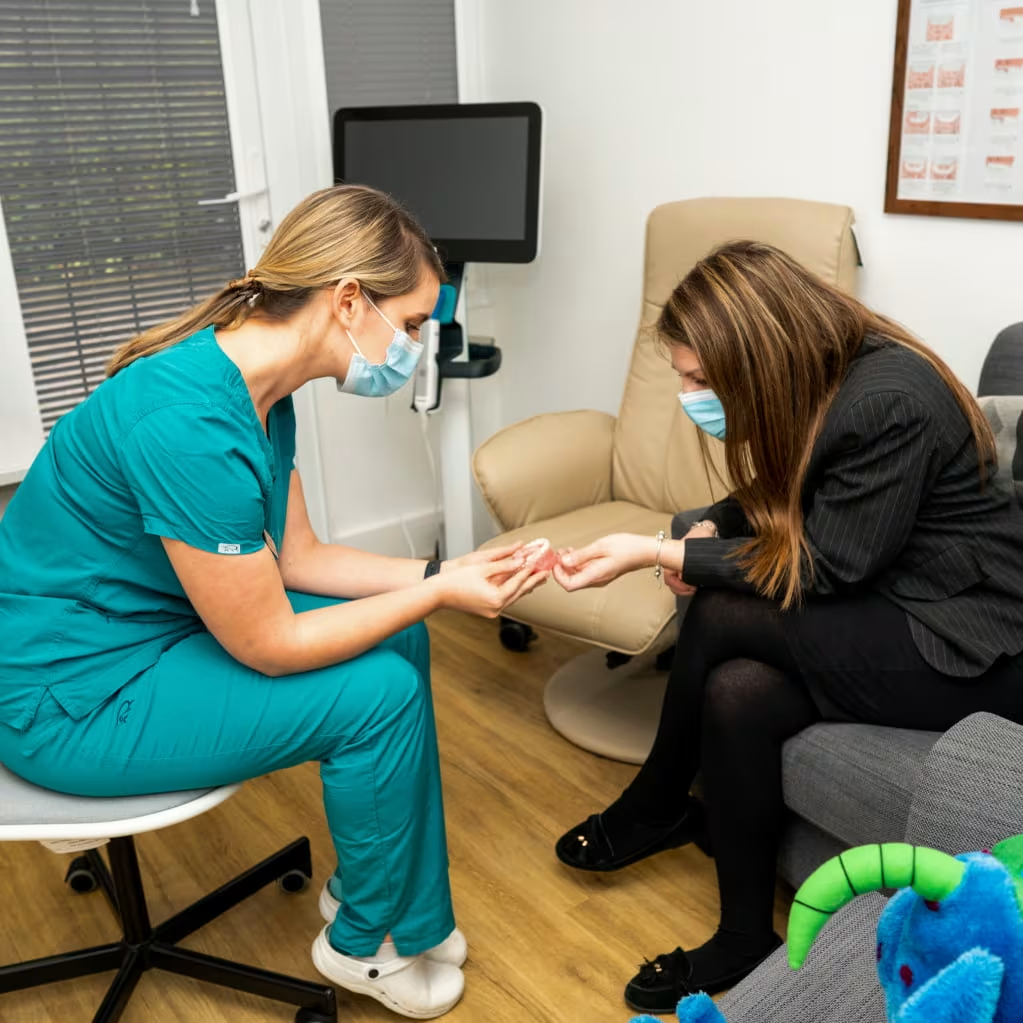
At The Briars, All-on-Four suitability is determined through comprehensive consultation, detailed imaging, multidisciplinary evaluation, and honest discussion. This approach allows us to proceed with confidence — and to advise against treatment when necessary.
In advanced implant dentistry, judgement matters as much as technique.
All-on-Four can be life-changing when carefully planned and appropriately indicated. But all-on-four suitability is not universal, and complexity should never be underestimated.
A thorough assessment ensures that when treatment proceeds, it does so on a stable biological and functional foundation.
Your smile means everything to us – and the right decision is always more powerful than the fastest one.
Back to blog