Dental Implant Recovery: 6 Honest Stages to Expect
Deciding to go ahead with dental implants is often the easy part. What follows – the actual experience of dental implant recovery – is where most of the questions sit. How much will it hurt? How long until I can eat normally? When will it actually look and feel finished?
The honest answer is that dental implant recovery happens in stages, and the timeline varies depending on the complexity of your case, how many implants you’re having, and your own individual healing. Here’s what to genuinely expect, stage by stage.
Immediately after implant placement, some swelling, mild bruising, and tenderness around the surgical site is normal. Most patients describe the discomfort as manageable rather than severe, particularly with appropriate pain relief, which your clinician will discuss with you beforehand.
During this early phase of dental implant recovery, the priority is simply protecting the surgical site. We’ll give you clear written aftercare instructions covering eating, oral hygiene around the area, and any signs that would warrant getting in touch. A soft diet is recommended for the first few days, and most patients find that sticking close to home and resting is the most comfortable approach.
Swelling typically peaks around 48 to 72 hours after surgery before gradually subsiding. Any bruising will usually fade over the following week. By this stage, most patients feel considerably more comfortable and are able to return to normal daily activities, though strenuous exercise is usually best avoided until your clinician confirms it’s appropriate.
Gentle oral hygiene remains important throughout this period – your team will advise you on how to clean around the surgical site without disturbing healing tissue. If you smoke, this is the stage where the impact on healing becomes most apparent, as smoking significantly slows recovery and increases the risk of complications.
By two to four weeks into dental implant recovery, the soft tissue around the implant has typically healed well, and any visible signs of the surgery – swelling, bruising, tenderness – have usually resolved. At this stage, many patients feel as though they’ve fully recovered, and in terms of day-to-day comfort, that’s often true.
However, this is only the visible part of recovery. Beneath the surface, a much slower and more important process is still underway.
The real work of dental implant recovery happens beneath the gum line, where the titanium implant gradually fuses with the surrounding jawbone in a process called osseointegration. This is what gives an implant its strength and stability – and it takes considerably longer than the soft tissue healing you can see.
Osseointegration typically takes between three and six months, though this varies depending on bone quality, implant location, and individual healing factors. Lower jaw implants generally integrate slightly faster than those in the upper jaw, due to differences in bone density.
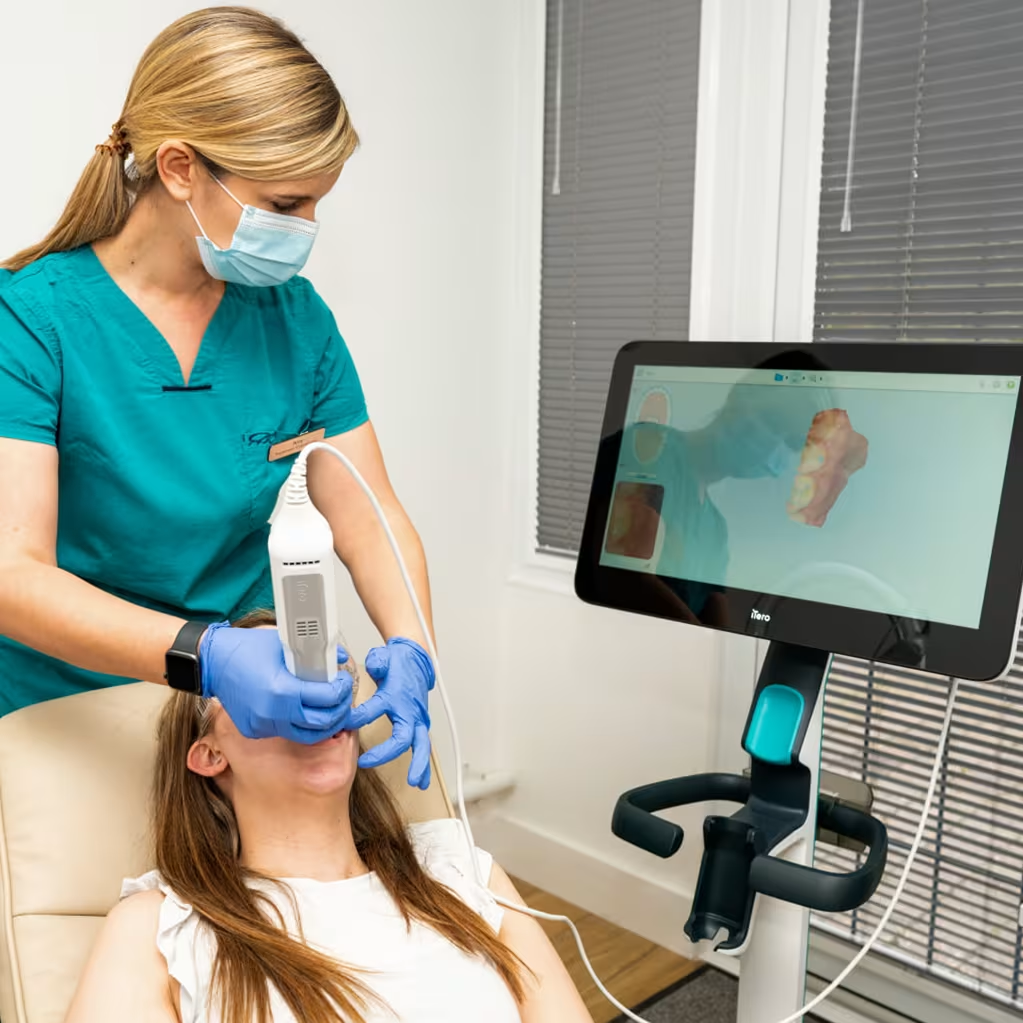
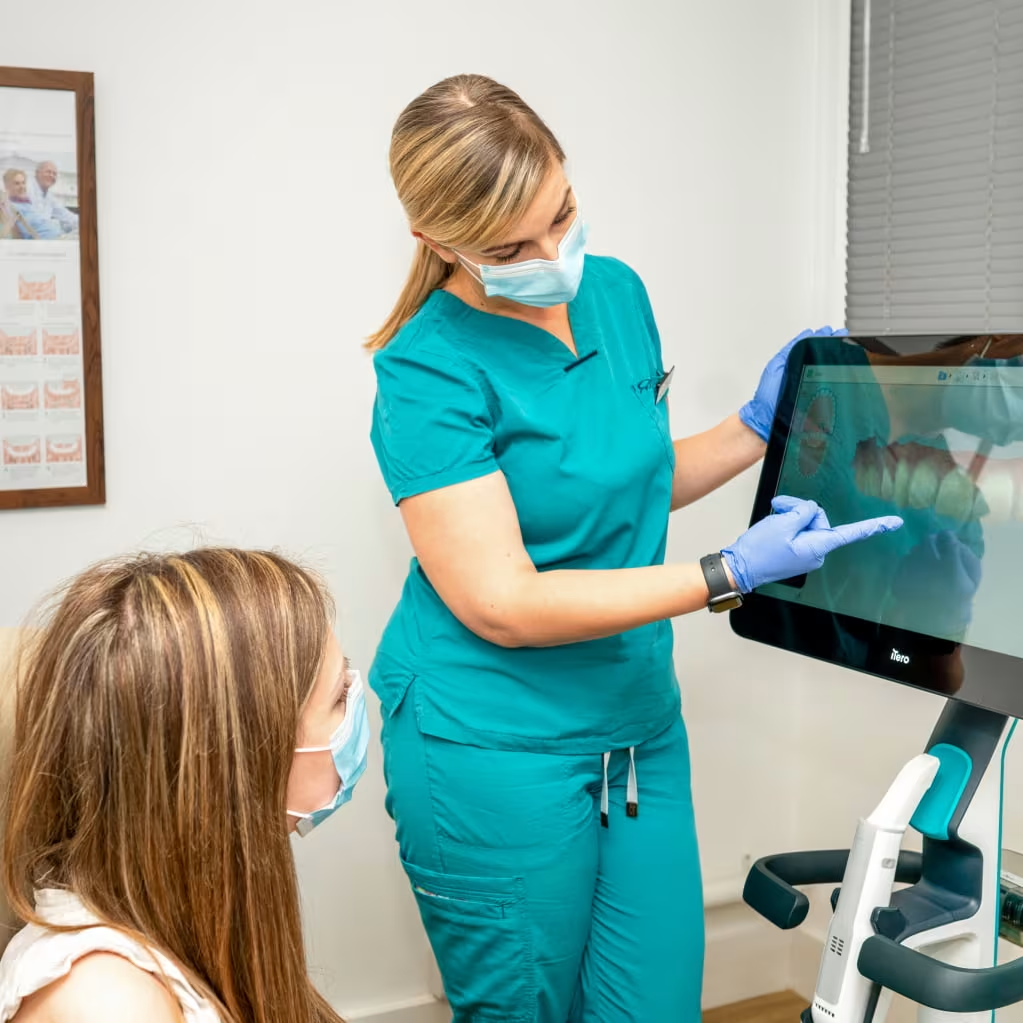
At The Briars, every implant case is planned using CBCT imaging beforehand, giving us a detailed three-dimensional picture of the available bone and allowing the implant to be positioned for the best possible chance of successful integration. During this phase, it’s essential to attend any review appointments so we can monitor progress and address anything promptly.
Once osseointegration is confirmed, the implant is ready for its final restoration – typically a crown, bridge, or denture, depending on your treatment plan. This stage is usually quick and straightforward in comparison to everything that has come before, as the hard work of integration has already taken place.
This is often the moment dental implant recovery feels truly complete, as the visible result finally matches the function underneath. Many patients are surprised by how natural the finished implant feels, both in appearance and in everyday use.
Even once your restoration is fitted, dental implant recovery in the broadest sense continues. The surrounding gum tissue and bone need ongoing care to remain healthy long term. This means maintaining excellent oral hygiene at home and attending regular hygienist appointments.
Our hygienists provide Guided Biofilm Therapy as standard, which is particularly effective at maintaining the health of the tissue around implants. Skipping these appointments is one of the most common reasons implants run into difficulty further down the line, so this stage of recovery is genuinely ongoing rather than a box to tick once and forget.
Every patient’s dental implant recovery is slightly different. Factors that can influence your individual timeline include the number of implants placed, whether bone grafting was needed beforehand, your general health, whether you smoke, and how closely you follow aftercare advice.
At The Briars, Nick French and Dave Veige lead implant surgery for referred and general cases, while Richard Lilleker also places implants for his own patients. Across the team, the same principle applies: thorough planning, precise placement, and clear aftercare guidance all contribute to giving your recovery the best possible foundation.
The British Association of Oral and Maxillofacial Surgeons has further information on what to expect following dental surgery, which may be a useful additional resource.
Dental implant recovery isn’t instant, and being realistic about the timeline from the outset makes the process far less daunting. The visible healing happens within weeks; the deeper, more important healing takes months. Both stages matter, and both deserve patience.
If you’re considering dental implants and want to understand what recovery would look like in your specific case, our team would be glad to talk you through it. Get in touch to arrange a consultation.
Back to blog