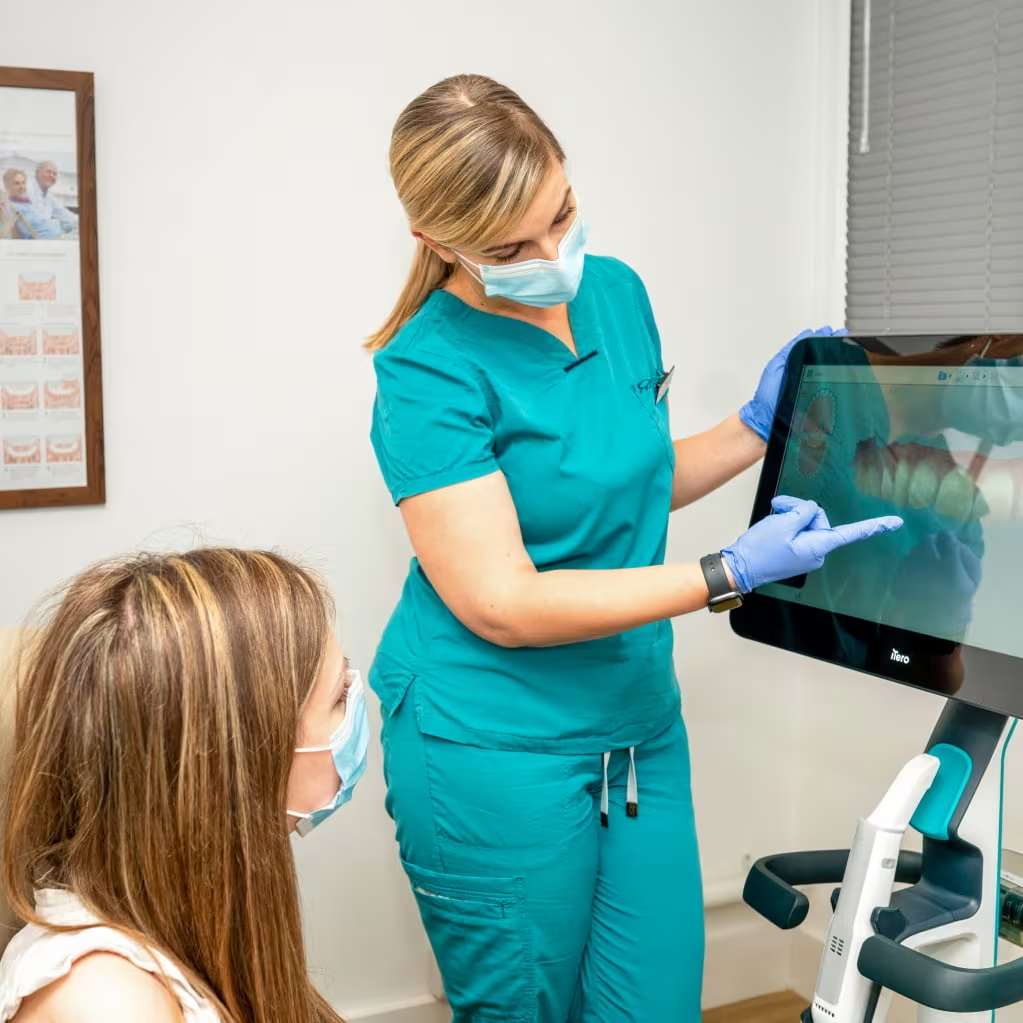
Let’s get your big questions about dental implants answered!
A dental implant is a small titanium post that replaces the root of a missing tooth. It’s surgically placed into your jawbone, where it fuses with the bone over time. A crown is then attached to create a natural-looking replacement tooth.
Find a more detailed article about dental implants right here!
We will always provide each patient personalised instructions after having an implant placed—whether it’s a single implant or a whole jaw of implants.
Dental implants can last 25 years or even a lifetime with proper care. The crown may need replacement after 10-15 years due to normal wear. Success rates are over 95% when maintained properly – this maintenance includes regular check-ups and Hygienist appointments.
Smoking significantly reduces implant success rates. It impairs healing and increases the risk of implant failure. Most dentists recommend quitting smoking before implant treatment. If you continue smoking, success rates drop significantly.
Yes, you can still have an implant even if your tooth was removed 20 years ago. However, you may need additional procedures first. Bone grafting might be necessary if bone loss has occurred over time. Your dentist will assess your bone density with X-rays or CBCT scans.
For a single implant, the complete process typically takes 3-6 months. Initial healing after placement takes 3-4 months. The crown fitting appointment follows once the implant has integrated with your bone. Some cases may require longer if bone grafting is needed.
For our all-on-four procedure, the implants are placed, and your mouth is immediately restored with a set of temporary fixed teeth. The temporary restoration is usually replaced with a definitive restoration 6 weeks later, but this can vary from patient to patient.
Most patients experience minimal discomfort during and after surgery. Local anaesthetic is used during the procedure. Post-operative pain is usually manageable with over-the-counter painkillers. Many patients return to work the next day.
Our all-on-four dental implant procedure requires a longer healing time due to the nature of the surgery, with a few quiet days recommended postoperatively.
Age isn’t typically a barrier to dental implants. Good general health is more important than age. Many patients in their 70s and 80s successfully receive implants. Your dentist will assess your overall health and bone quality.
Implant failure is rare but can occur. Early failure happens within the first few months due to poor healing. Late failure may occur years later due to infection or bone loss. Failed implants can often be replaced after the area heals.
Once fully healed, you can eat almost anything with dental implants. They function like natural teeth. Avoid extremely hard foods that could damage the crown. Most patients enjoy foods they couldn’t eat with dentures.
Costs vary depending on your specific needs. A single implant typically starts from £3500; a full jaw replacement is typically £15,000. Additional procedures like bone grafting increase costs.
At The Briars, we offer payment plans to spread the cost, with 0% interest options available.
Yes, alternatives include:
However, implants are often the best long-term solution for replacing missing teeth.
Yes, multiple implants can replace several missing teeth. You don’t necessarily need one implant per tooth. Two implants can support a three-tooth bridge. Four to six implants can support a full arch of teeth.
Risks are minimal but include:
Our implant surgeon will always discuss all risks before treatment.
Dental implants are often considered cosmetic by insurance providers. Some policies provide partial coverage. Check with your insurer about coverage levels.
Your dentist will assess several factors:
While these factors are important, comprehensive planning will ultimately determine your suitability.
Yes, implants can develop infections called peri-implantitis. This affects the gum and bone around the implant. Good oral hygiene and regular dental visits prevent most infections. Early treatment is crucial if infection occurs.
Modern dental implants look very natural. The crown is custom-made to match your existing teeth. Colour, shape, and size are carefully matched. Most people won’t notice you have an implant.
Sometimes, yes. Immediate implant placement is possible in certain cases. Your bone quality and infection status determine suitability. Some cases require healing time before implant placement. We will always advise the best approach for your situation.
If you’re interested in having dental implants, get in touch with us today! We offer a complimentary appointment with our Treatment Coordinator to discuss the treatment options you have, your dental history, and your smile goals. It means we can learn more about you and learn what treatment may be most suitable.
If you’d like to learn more information about dental implants, don’t Google—check out this resource from the Association of Dental Implantology!
Back to blog