If you’ve come across the term ‘laser dentistry’ and wondered whether it’s something that might be relevant to your own treatment – or if a clinician has mentioned it and you’d like to understand more before your next appointment – this article is for you.
Laser dentistry isn’t a single treatment. It’s a technology that can be applied across a range of clinical situations, from treating gum disease to reshaping the gumline for aesthetic purposes. At The Briars, we use Waterlase – an advanced laser system that combines laser energy with water – and it has genuinely changed what’s achievable for patients with certain clinical needs.
This article explains who laser dentistry tends to benefit most, what it feels like in practice, and how to find out whether it might be appropriate for your situation.
Table of Contents
What Laser Dentistry Actually Involves
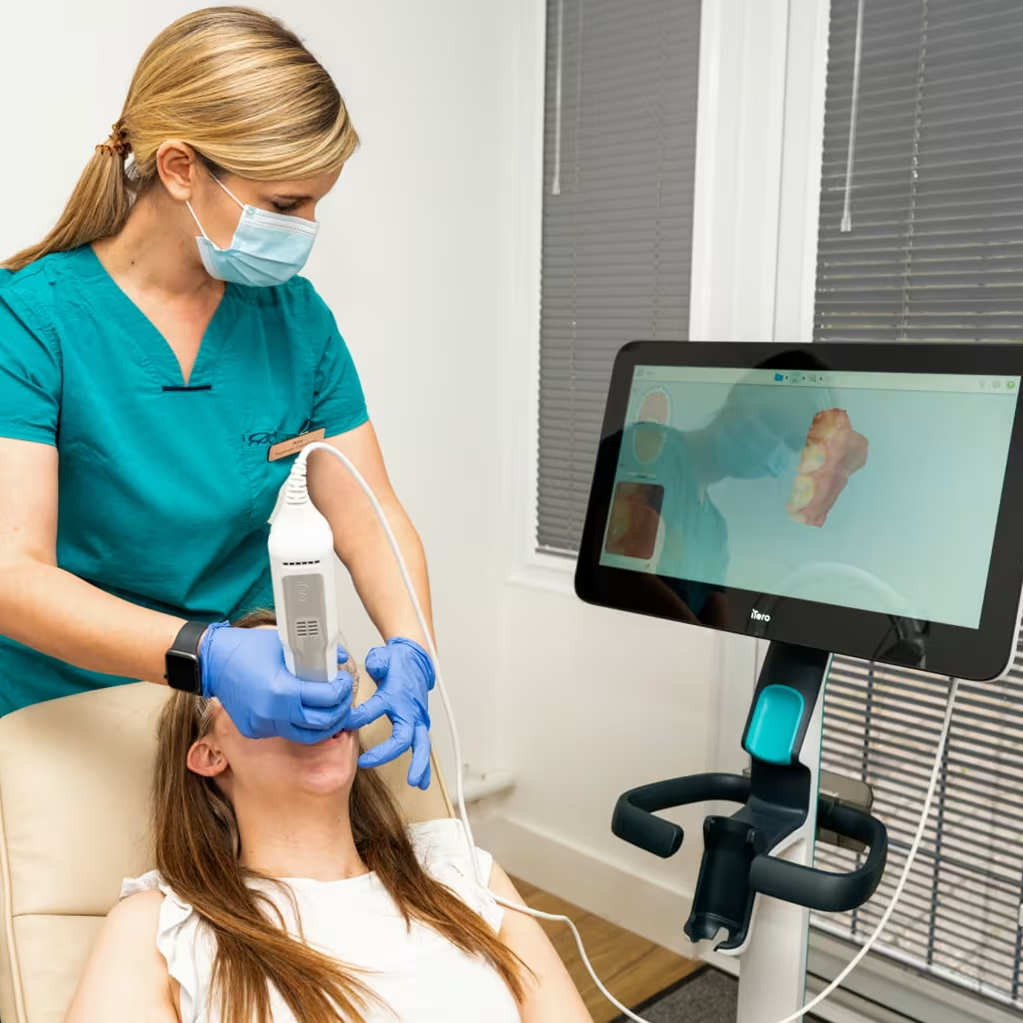
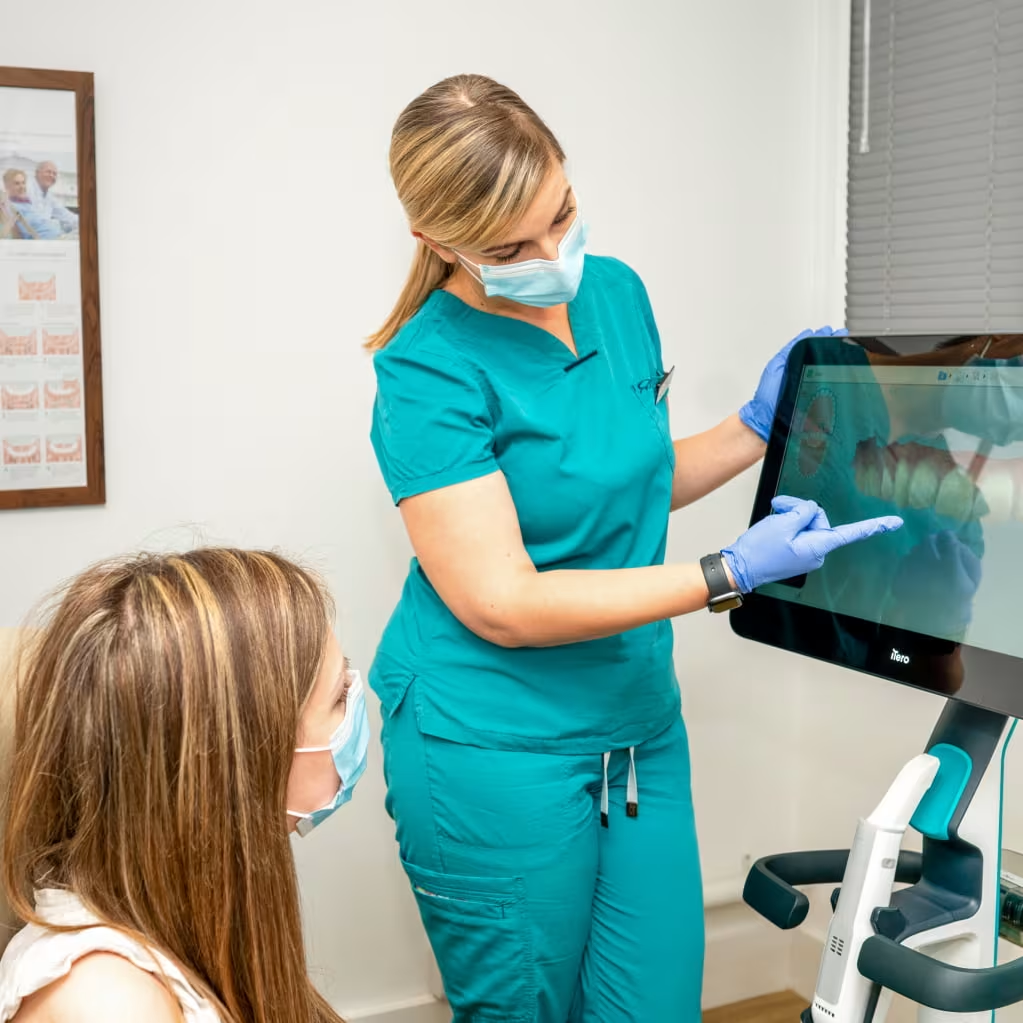
Laser dentistry uses concentrated light energy to treat dental tissues with a precision that conventional instruments can’t always match. Different laser systems work in different ways – some are designed purely for soft tissue work, others can be used on both teeth and gums. At The Briars, we use Waterlase, which is an erbium laser system that combines laser energy with a fine spray of water and air. This combination allows it to work on both hard and soft tissues with exceptional control, and it’s the system used by our specialist periodontist Sharmila Khopade and by Victoria Holden for certain aesthetic and restorative procedures.
The key thing to understand about laser dentistry is that it’s a clinical tool rather than a treatment category in its own right. It doesn’t replace the expertise of the clinician using it – it enhances what they can achieve, particularly in situations where precision, minimal tissue disruption, and faster healing are clinically important.
The most significant clinical application of Waterlase at The Briars is in the treatment of periodontal disease – gum disease in its more advanced forms. When bacteria accumulate within deep gum pockets and conventional cleaning alone isn’t achieving the results needed, laser-assisted treatment offers a meaningful step forward.
Waterlase can target bacteria within gum pockets with a precision that reduces the bacterial load more effectively than mechanical debridement alone in certain cases. It also selectively removes diseased tissue while leaving healthy tissue intact – a distinction that matters considerably for both the clinical outcome and the patient’s recovery. The laser supports the formation of the fibrin clot that helps the gum reattach to the tooth root, which is what enables the pocket to heal rather than simply being cleaned.
For patients with active periodontal disease who are already in Sharmila’s care, laser-assisted treatment may be incorporated into their treatment plan where it offers a clinical advantage. It’s recommended on the basis of what the individual case requires rather than applied routinely, which is why a thorough assessment always comes first.
Peri-implantitis — the infection and progressive bone loss that can develop around a dental implant — is one of the more challenging conditions in modern dentistry, partly because the surface of an implant is more difficult to decontaminate than a natural tooth root. Laser treatment has a particularly useful role here.
Waterlase can reach areas around implant surfaces that mechanical instruments struggle to access effectively, and its ability to reduce bacterial contamination without damaging the implant surface itself makes it well suited to the management of peri-implant disease. For patients who have implants and have been told there are concerns about the surrounding tissue, laser-assisted treatment is one of the options that Sharmila may consider as part of a carefully planned approach to stabilising and restoring peri-implant health.
Laser dentistry at The Briars isn’t limited to disease management. Waterlase is also used by both Sharmila and Victoria for aesthetic gum procedures – situations where the shape or position of the gumline is affecting the appearance of the smile or the outcome of a restorative treatment.
Gum contouring – reshaping the gumline to create better symmetry, correct a gummy smile, or prepare teeth for cosmetic restorations – is a procedure where laser technology offers real advantages over conventional surgical approaches. The precision of the laser means the gum line can be sculpted with a level of control that’s difficult to achieve with a scalpel, and the healing response is typically faster and more comfortable. Victoria uses Waterlase in this context for smile cases, including as part of Digital Smile Design planning where the gum architecture needs to be refined before final restorations are placed.
Waterlase is also used for certain crown removal procedures, where its precision allows the clinician to work efficiently without unnecessary impact on the surrounding tissue.
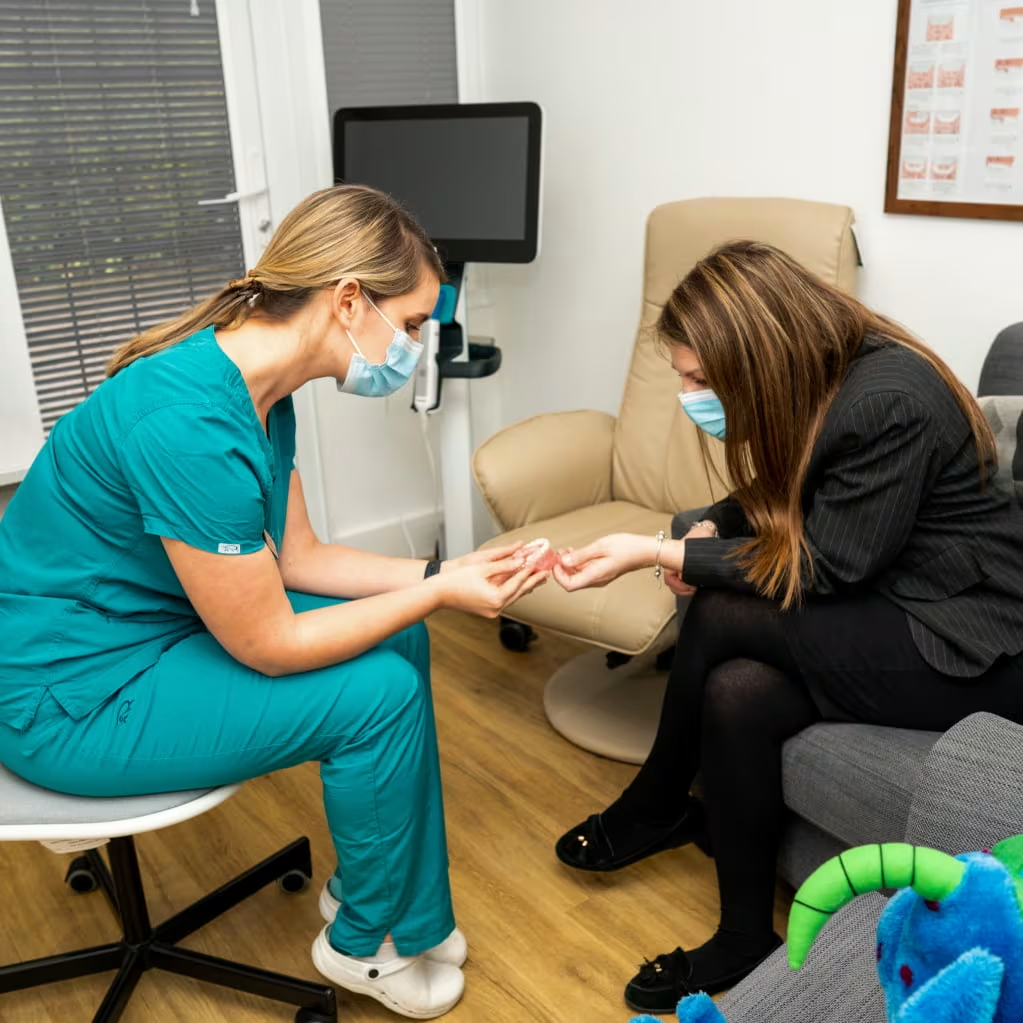
One of the most common questions patients ask about laser treatment is whether it hurts. The honest answer, for most people, is that it is considerably more comfortable than they expected – and often more comfortable than the conventional alternative.
The Waterlase system works without the heat, vibration, or pressure that patients typically associate with dental instruments. Many procedures require little or no local anaesthetic, which means patients leave without the lingering numbness that can make eating and speaking awkward after a conventional appointment. The absence of drilling noise also makes a meaningful difference for patients who find that sound particularly anxiety-inducing.
Recovery after laser treatment is typically faster than after conventional surgery. Swelling and discomfort post-procedure are generally less significant, and many patients find they’re back to normal activities sooner than they anticipated. This isn’t universal — the nature and complexity of the procedure matters, and your clinician will always give you realistic expectations for your specific situation — but it reflects the consistent experience of patients who have had Waterlase treatment at The Briars.
The straightforward answer is that it depends on your clinical situation – and the only way to know for certain is through a proper assessment.
Laser dentistry tends to be most relevant for patients with active or complex periodontal disease, those with peri-implantitis or concerns about the tissue around existing implants, and patients whose smile cases involve gum architecture that needs to be refined as part of a broader cosmetic or restorative plan. If any of these apply to you – or if you’ve read about laser treatment and are curious whether it might be appropriate for your own needs – the most useful thing you can do is raise it at your next appointment or book a consultation to discuss it properly.
If you’re already a patient of Sharmila’s or have been referred for periodontal care, laser treatment may already be part of the conversation about your options. If you’re coming to us as a new patient with an interest in what laser dentistry could offer, we’d be happy to point you in the right direction from the outset.
You can find further independent information about laser dentistry from the British Dental Association, and more detail about Waterlase specifically on the Biolase patient information pages. Our own dedicated Waterlase article also covers the technology in more depth if you’d like to read further before your appointment.
Back to blog