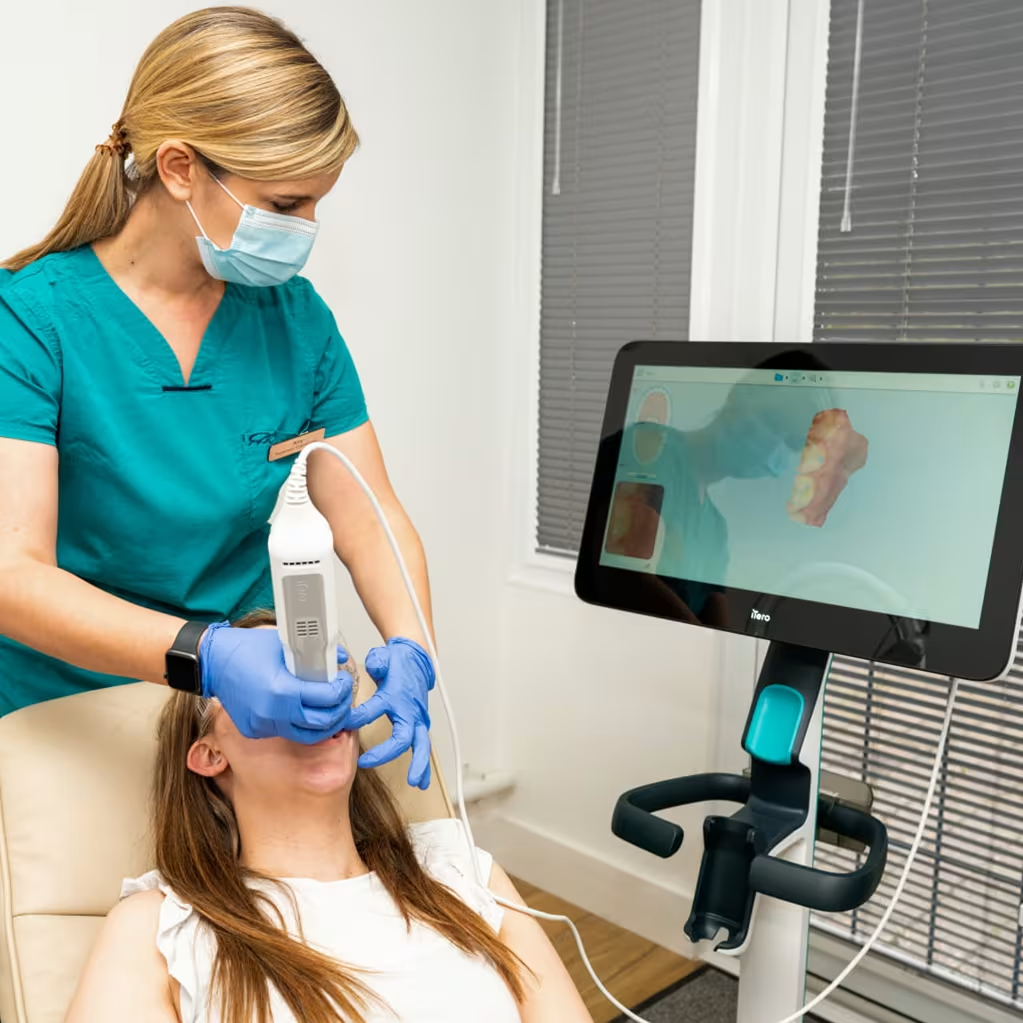
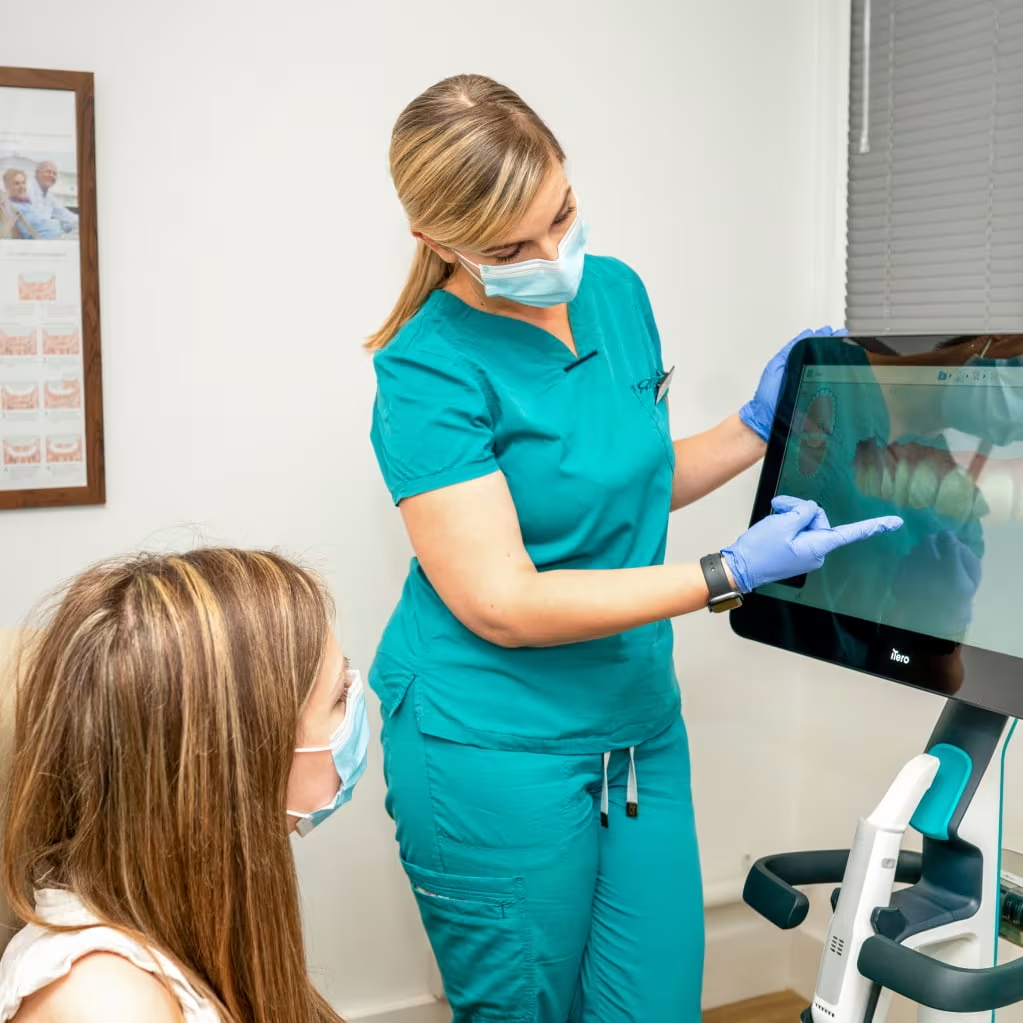
Being referred to a specialist periodontist — or deciding to self-refer — can feel daunting, particularly if you’re not sure what the appointment will involve. Will it be uncomfortable? Will you be told something worrying? What exactly happens in the room?
These are entirely natural concerns, and the most effective antidote to them is simply knowing what to expect. A periodontal consultation at The Briars with our specialist periodontist Sharmila Khopade is a thorough, unhurried appointment designed to give both you and your clinician a complete and accurate picture of your gum health. It is not an ordeal — it is the starting point for getting the right help.
This article walks you through what your periodontal consultation involves, why each element matters, and how to arrive feeling prepared rather than apprehensive.
Table of Contents
Your periodontal consultation with Sharmila is booked for between 45 and 60 minutes. This is a deliberately unhurried appointment — enough time to take a thorough history, carry out a detailed clinical examination, take any radiographs needed, and have a proper conversation about your findings and options without feeling rushed.
This length reflects the complexity of what a periodontal consultation needs to achieve. Unlike a routine check-up, which covers general dental health across a relatively short appointment, a specialist periodontal consultation is focused entirely on understanding the health of your gums and the supporting structures of your teeth in depth. The time given to this process is part of what makes the assessment genuinely useful.
The consultation fee of £222 includes everything within that appointment — the clinical examination, pocket charting, radiographs where these are clinically indicated, and your written treatment plan. There are no hidden additions or separate charges for individual elements of the assessment.
One of the first and most important parts of your periodontal consultation is a detailed conversation with Sharmila about your medical history, your dental history, and your lifestyle. This goes considerably beyond the standard health questionnaire completed at a routine dental appointment, and it is worth understanding why.
The relationship between systemic health and periodontal disease is well established and clinically significant. Conditions including diabetes, cardiovascular disease, and certain autoimmune conditions have known associations with gum disease — in some cases influencing its severity, in others being influenced by it in turn. Medications, too, can affect gum health in ways that are directly relevant to both diagnosis and treatment planning.
Lifestyle factors matter equally. Smoking is one of the most significant risk factors for periodontal disease, affecting both the severity of the condition and the likely response to treatment. Diet, stress, and sleep all have roles to play in immune response and inflammation. Sharmila takes a genuinely holistic view of each patient’s situation, because understanding the full picture — not just what is happening in the mouth but why — is what allows the most effective and realistic treatment plan to be formulated.
This part of the appointment is a conversation, not an interrogation. There are no judgements made about lifestyle choices — only a genuine interest in understanding your individual circumstances so that the care you receive is as well-targeted as possible.
The clinical examination is the heart of your periodontal consultation. Sharmila will carry out a full assessment of your gum health, including a detailed six-point pocket charting of your entire dentition.
Pocket charting involves measuring the depth of the sulcus — the natural crevice between each tooth and the surrounding gum — at six points around every tooth. These measurements, recorded in millimetres, tell your clinician a great deal about the health of the attachment between tooth and gum, the extent of any bone loss, and where active disease is present. Healthy pockets are typically between one and three millimetres. Deeper readings indicate areas where disease has caused the gum to detach from the tooth surface, allowing bacteria to accumulate below the gumline where they cannot be reached by brushing alone.
The process of pocket charting is straightforward and well tolerated by the vast majority of patients. A fine periodontal probe is used to take each measurement — it is not a sharp instrument, and while you may be aware of mild pressure in areas of inflammation, the examination should not be painful. If you have any concerns about discomfort, please mention this to Sharmila at the start of your appointment so she can take extra care in sensitive areas.
If you’ve ever wondered what the numbers called out during a gum health assessment actually mean, our article on six point pocket charting explains the measurement system in plain terms and is well worth reading before your appointment.
Depending on the findings of your clinical examination and the information already available from your referring clinician or previous dental records, Sharmila may take intraoral radiographs as part of your periodontal consultation. These are included within your consultation fee where clinically indicated.
Radiographs are an essential diagnostic tool in periodontics because they reveal what cannot be seen during a visual examination alone — specifically, the level of bone supporting each tooth. Periodontal disease causes progressive bone loss around the roots of affected teeth, and the degree and pattern of that bone loss is critical information when it comes to both diagnosis and treatment planning. Without radiographic assessment, a complete picture of the severity of the condition simply cannot be formed.
The radiographs taken at a periodontal consultation are small intraoral films or sensors placed inside the mouth, rather than the larger panoramic OPG scan you may have had at previous dental appointments. They are quick to take, involve minimal radiation exposure, and provide targeted, high-resolution information about the specific areas of clinical concern.
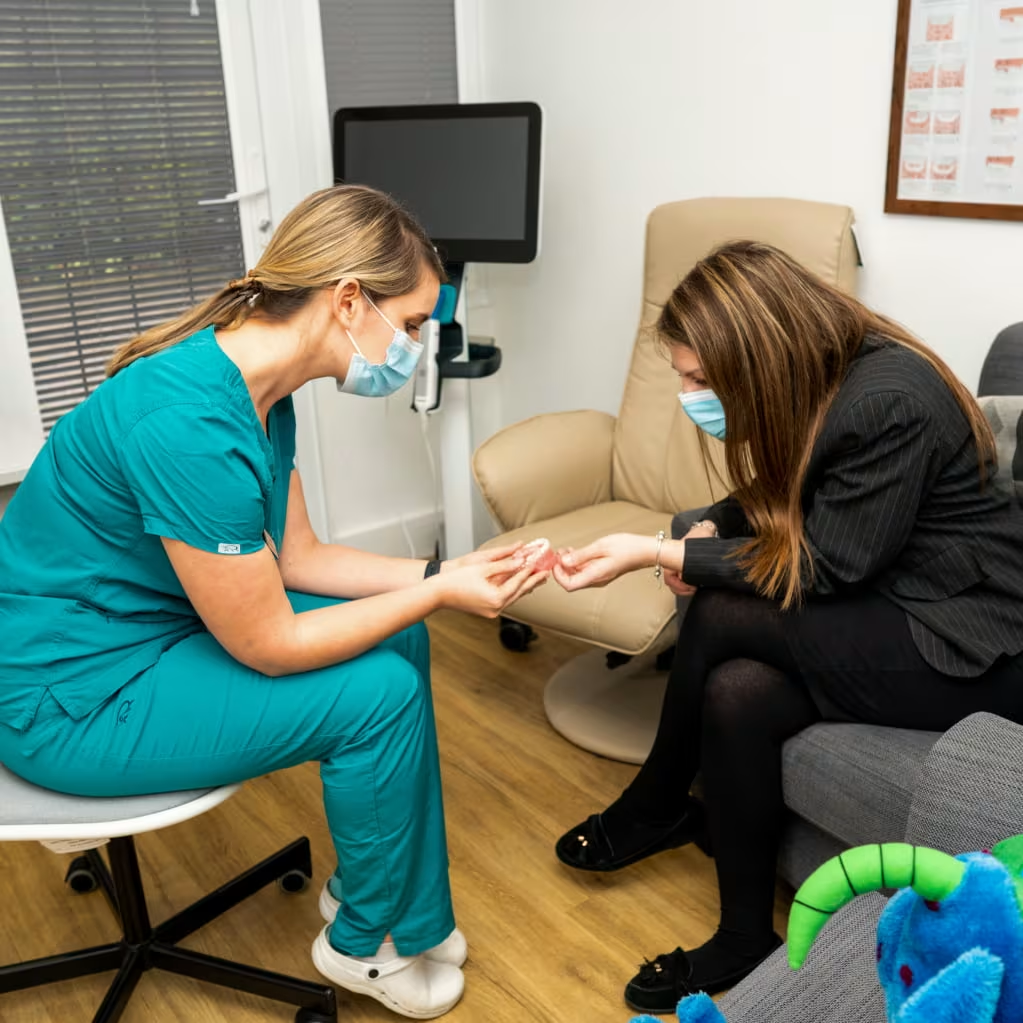
By the end of your periodontal consultation, Sharmila will discuss her findings with you clearly and honestly — what she has found, what it means, and what she recommends. You will leave with a written treatment plan setting out her clinical recommendations and the associated costs, giving you the information you need to make a considered decision about how to proceed.
There is no obligation to commit to treatment at the consultation appointment itself. The written plan is yours to take away, review, and discuss with family members or your referring dentist if you wish. Many patients find it helpful to sit with the information for a short time before confirming they’d like to go ahead, and this is entirely supported.
For patients referred by their own dentist, Sharmila will provide a full written report to the referring clinician following the consultation, ensuring that your care is properly coordinated and that your dentist is kept informed at every stage.
If treatment is recommended and you decide to proceed, your next steps will be clearly explained — whether that involves a course of non-surgical periodontal therapy, a surgical procedure, or a period of stabilisation before further assessment. Nothing will happen without your full understanding and consent, and the pace of your treatment is always discussed with you rather than decided for you.
If you have been told you need to see a specialist about your gums, or if you have concerns about your gum health and would like an expert assessment, we would encourage you not to put it off. Early intervention in periodontal disease almost always leads to better outcomes — and a consultation is simply the beginning of understanding what’s happening and what can be done about it.
To book your periodontal consultation with Sharmila, or to discuss a referral, please get in touch with our team directly. The British Society of Periodontology and the Oral Health Foundation both offer clear, independent information about gum disease and specialist periodontal care for patients who would like to read further before their appointment.
Back to blog