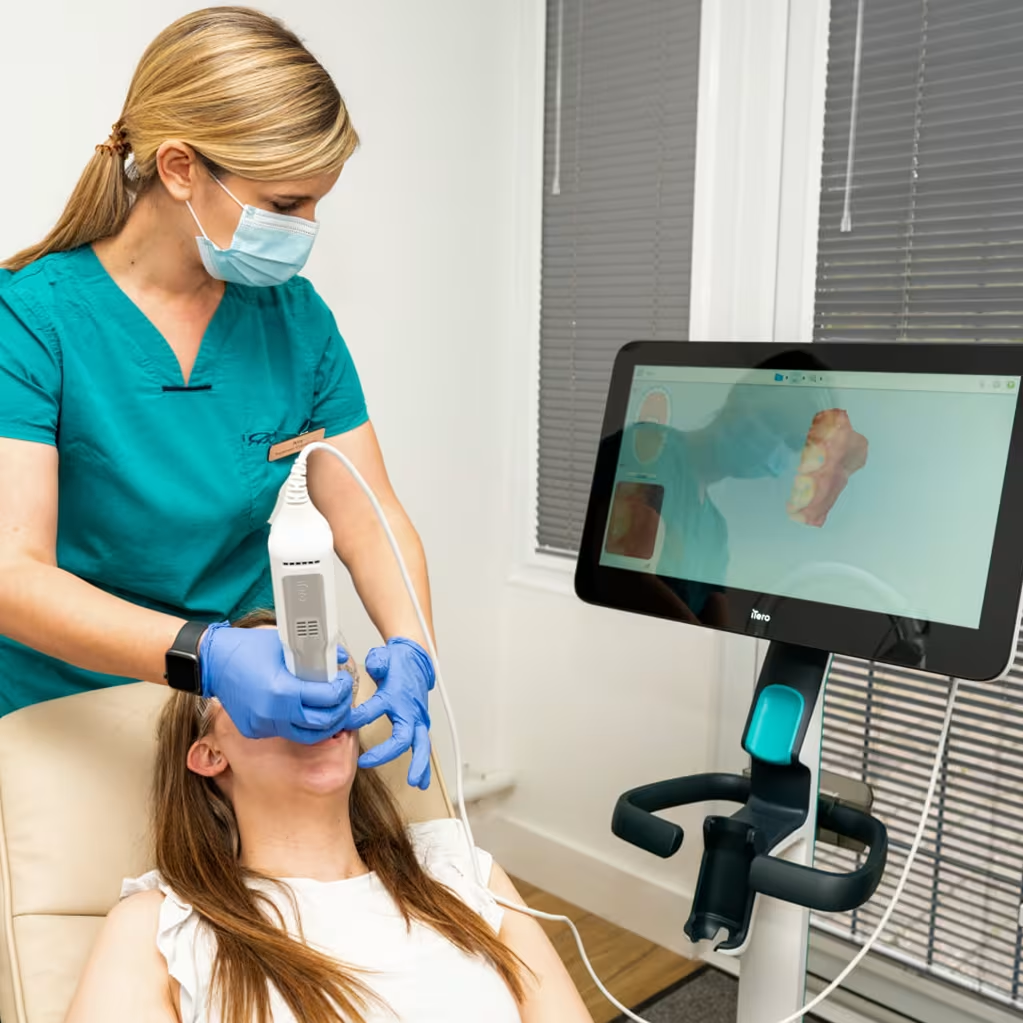
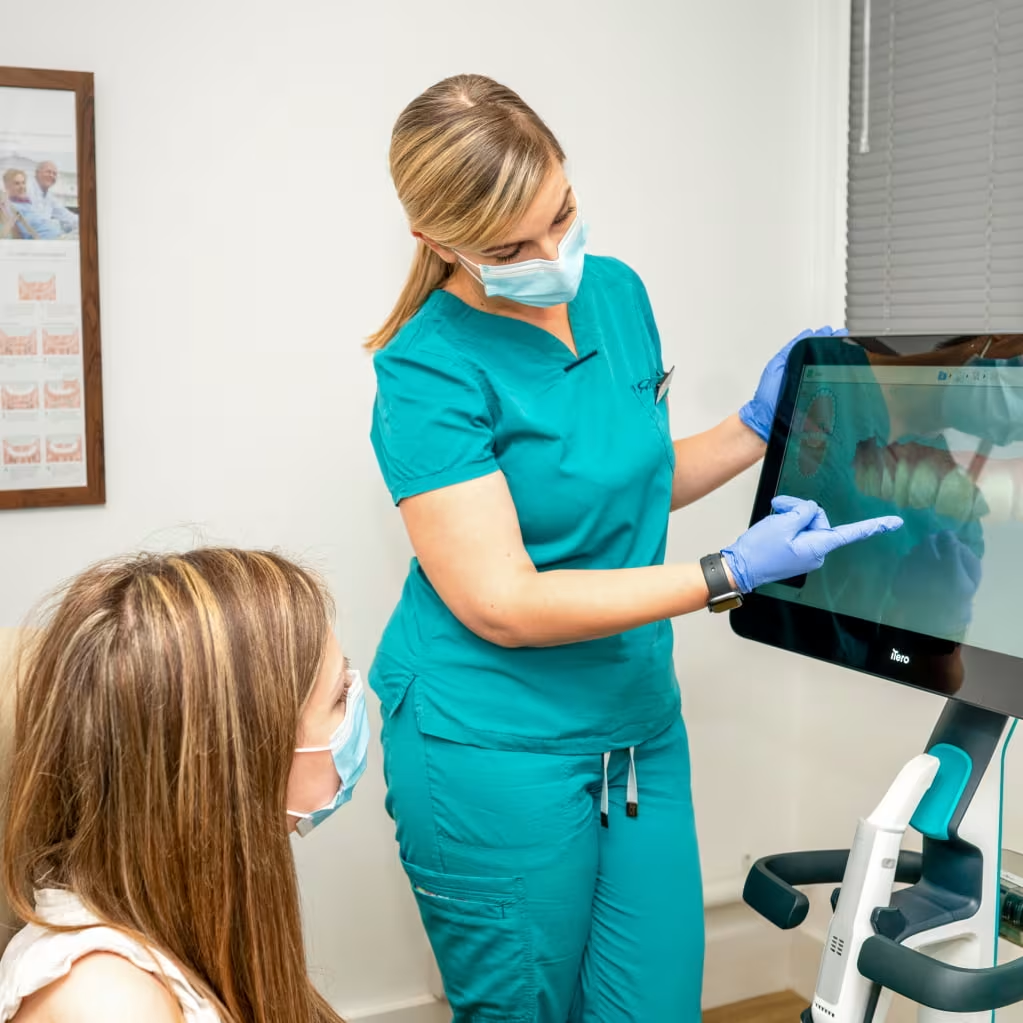
If you’ve ever wondered what is GBT?, you’re not alone. Guided Biofilm Therapy (GBT) is a modern, evidence-based approach to dental hygiene that focuses on removing harmful bacteria gently, thoroughly and comfortably – and at The Briars Dental Centre, it’s included as standard in your hygienist appointment.
Rather than relying on traditional scraping alone, GBT targets biofilm, the invisible layer of bacteria that plays a major role in tooth decay, gum disease and inflammation. By removing biofilm in a guided, systematic way, GBT helps protect your oral health both now and in the long term.
To properly understand what is GBT?, it helps to know what biofilm is. Biofilm is a sticky bacterial layer that forms on teeth, around the gums and on dental restorations every single day. Left unmanaged, it can lead to bleeding gums, bad breath, sensitivity and more serious gum disease.
Guided Biofilm Therapy is a structured hygiene protocol that:
Makes biofilm visible using a harmless dye
Gently removes it using warm water, air and fine powder
Focuses on comfort, precision and prevention
This approach allows your hygienist to clean only where needed, reducing unnecessary abrasion and improving comfort.
For more patient-friendly information, you can check out our YouTube video here!
At The Briars, we believe exceptional dental care should be preventative, personalised and comfortable. That’s why GBT is included as part of your routine hygienist visit (£105.80) — not offered as an optional extra.
Our experienced hygienist team — Meryl, Amiee and Monica — use GBT routinely to deliver a higher standard of care for every patient, whether you’re attending for maintenance, gum care or long-term oral health support.
Internal links (to add on site):
Meet Meryl – Hygienist → https://briarsdentalcentre.com/team/meryl-colley/
Meet Amiee – Hygienist → https://briarsdentalcentre.com/team/amiee-mosher/
Meet Monica – Hygienist → https://briarsdentalcentre.com/team/monica-robotin/
1. More Effective Biofilm Removal
GBT targets the root cause of many oral health problems — biofilm — rather than just visible plaque or tartar.
2. Gentle and Comfortable
Many patients say GBT feels significantly more comfortable than traditional cleaning, particularly if they have sensitive teeth or gums.
3. Healthier Gums
By thoroughly removing bacteria around the gum line, GBT supports gum health and helps reduce inflammation and bleeding.
4. Ideal for Implants and Dental Work
GBT is safe and effective around implants, crowns, bridges and orthodontic appliances, where bacteria can easily hide.
5. Improved Freshness and Appearance
The airflow system helps lift surface staining, leaving teeth feeling smoother and looking cleaner.
6. Personalised, Guided Care
Because biofilm is made visible, your hygienist can tailor treatment and home-care advice specifically to your needs.
7. Prevention-Focused Dentistry
Regular GBT appointments help reduce the risk of more complex dental problems developing over time.
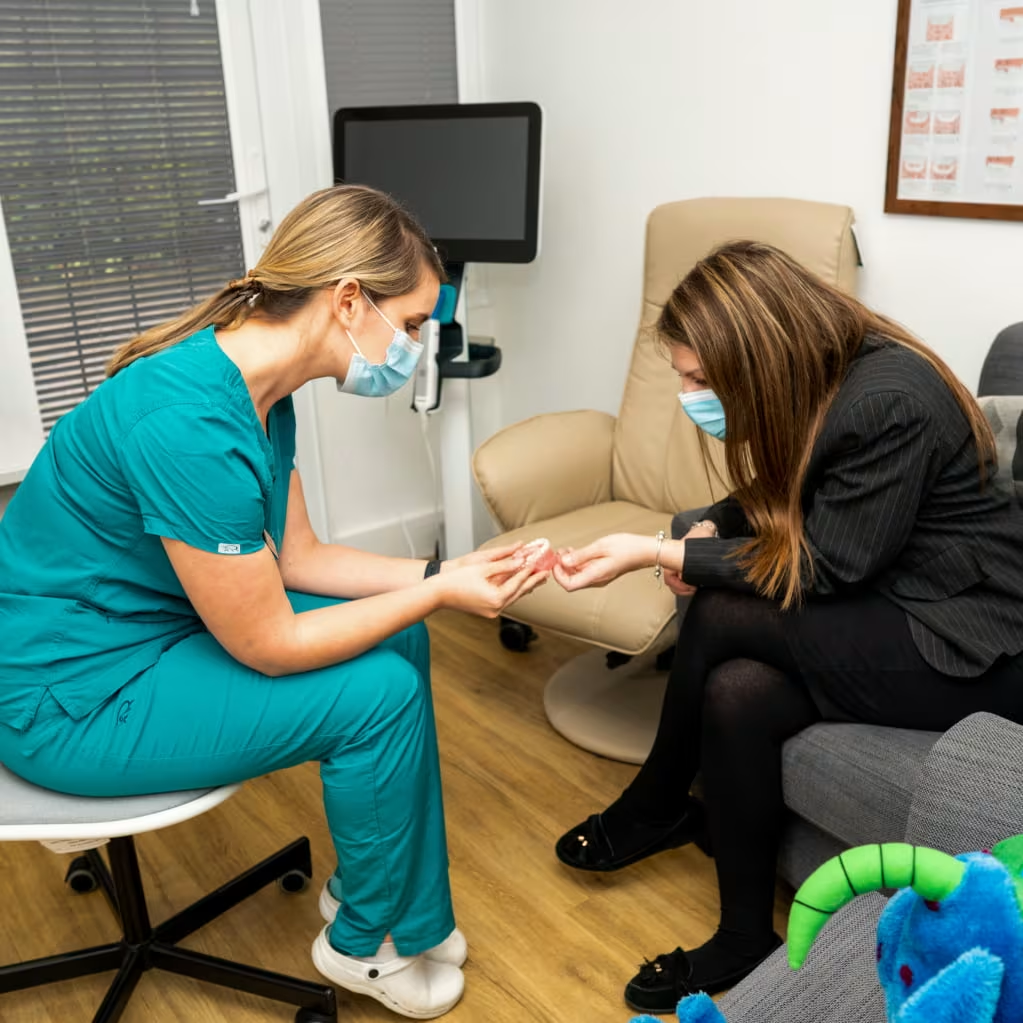
Your appointment begins with a full assessment of your teeth and gums. A disclosing dye is used to highlight biofilm, followed by gentle removal using advanced airflow and scaling technology. The result is a clean that’s thorough, precise and kind to your teeth.
Your hygienist will also give tailored advice to help you maintain results between visits.
If you’re still asking what is GBT?, the key difference is guidance. Traditional hygiene relies heavily on manual scaling, whereas GBT follows a structured protocol that:
Targets bacteria more effectively
Improves comfort
Reduces unnecessary tooth wear
Supports long-term oral health
By including GBT as standard, we’re ensuring every patient benefits from modern, preventative hygiene care — delivered by a skilled, caring team in a calm, supportive environment.
If you’d like to book your next hygienist appointment or learn more about how GBT fits into your oral health plan, our team will be happy to help.
Back to blog