Dental implants are widely regarded as the gold standard for replacing missing teeth. When planned and placed correctly, they can last for many years and transform both function and confidence.
However, dental implant failure is more common than many patients realise — particularly when treatment is approached as routine rather than as a complex, carefully planned procedure.
At The Briars Dental Centre, we manage a high number of advanced implant cases and also see patients seeking help after implants placed elsewhere have failed or are at risk. In almost every situation, the root cause can be traced back to planning decisions made long before surgery began.
Understanding the hidden risks behind dental implant failure is essential if you want predictable, long-term success.
Implants don’t fail randomly.
While patients are often told that implant placement is straightforward, the reality is that successful implant dentistry depends on:
Bone quality and volume
Bite forces and wear patterns
Gum health
Medical history
Precise positioning
Long-term restorative planning
When these factors aren’t fully considered, the risk of dental implant failure increases — sometimes years after treatment appears to be “successful”.
One of the most common hidden causes of dental implant failure is insufficient assessment of the bone before treatment begins.
Bone volume, density, and shape vary significantly between patients. Without detailed imaging, implants may be placed in bone that cannot reliably support them long term.
This can lead to:
Implant loosening
Bone loss around the implant
Failure to integrate properly
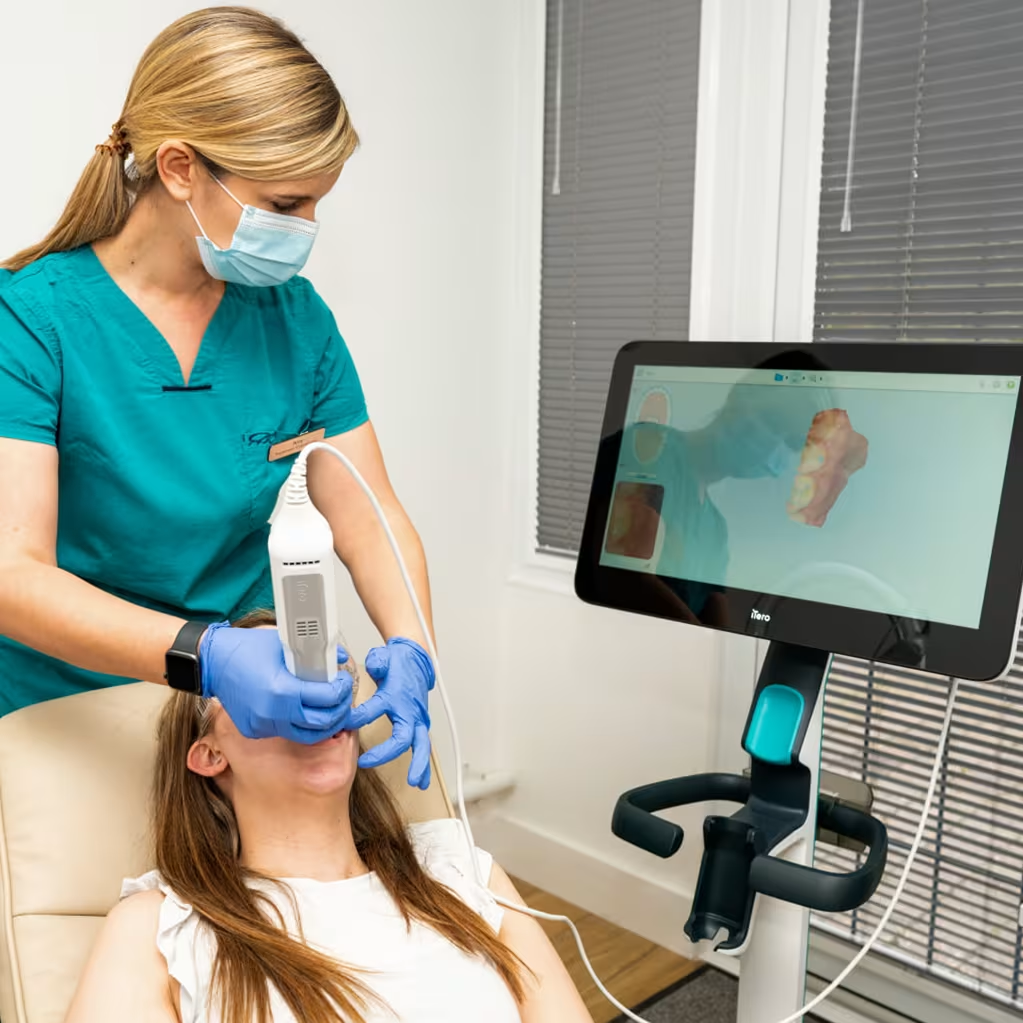
Advanced imaging, such as CBCT scans when clinically indicated, allows precise assessment and informed decision-making before treatment starts.
Dental implants must be placed in the right position, not just “where the bone is”.
Incorrect positioning is a major contributor to dental implant failure and can affect:
Bite function
Aesthetics
Cleanability
Longevity of restorations
Poorly positioned implants may appear successful initially but often develop problems under functional load. This is particularly important in complex cases involving multiple implants or full-arch solutions.
Teeth — and implants — are subjected to significant forces every day.
One of the most overlooked risks of dental implant failure is failing to properly assess bite dynamics, clenching, grinding, or existing tooth wear. Excessive or unbalanced forces can:
Overload implants
Cause component fracture
Accelerate bone loss
At The Briars, bite analysis forms a key part of implant planning, especially for patients with signs of wear or complex restorative needs.
Dental implants should never be planned in isolation from the rest of the mouth.
A frequent contributor to dental implant failure is placing implants without considering:
Adjacent teeth
Future restorative needs
Orthodontic positioning
Long-term maintenance
In many cases, tooth repositioning with Invisalign or preparatory restorative work is required before implants are placed. Proper sequencing prevents compromise and reduces the risk of future failure.
Systemic health plays a significant role in implant success.
Conditions such as:
Diabetes
Smoking
Autoimmune disorders
Certain medications
can all influence healing and long-term stability. Dental implant failure becomes more likely when these factors are not properly evaluated or discussed during planning.
Honest, thorough assessment allows realistic expectations and safer outcomes.
Perhaps the most critical factor in preventing dental implant failure is knowing when not to proceed.
Complex implant cases require:
Advanced training
Experience managing complications
The confidence to say no — or to modify the plan
At The Briars, careful case selection is fundamental to our approach. Not every patient is suitable for the same solution, and ethical decision-making protects long-term outcomes.
In our experience, many implant failures begin at the consultation stage, not during surgery.
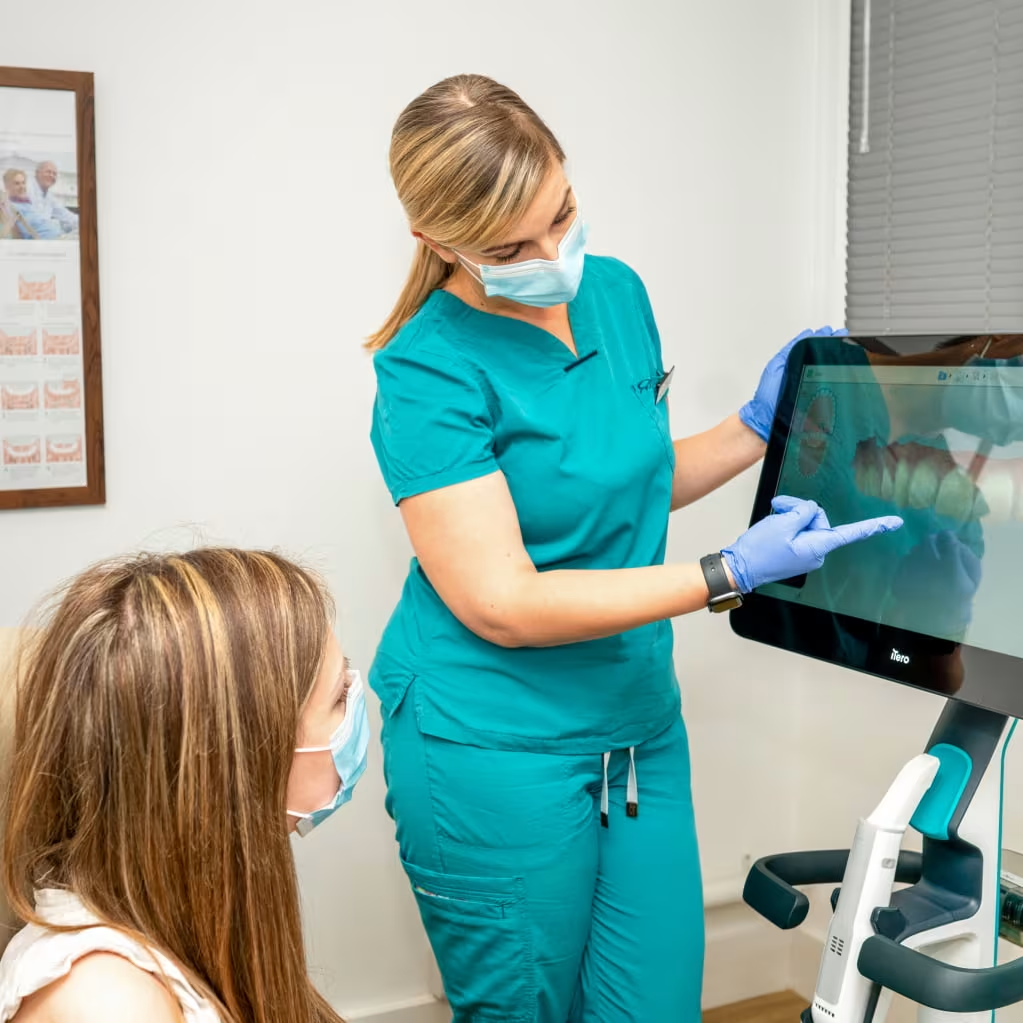
Rushed assessments, limited imaging, and overly optimistic promises increase the risk of complications later. A thorough, unhurried consultation allows:
Proper diagnosis
Informed consent
A clear, phased treatment plan
This is especially important for patients considering advanced solutions such as multiple implants or full-arch rehabilitation.
Our implant planning process is designed around predictability, not speed.
We focus on:
Detailed clinical and digital assessment
Multidisciplinary planning for complex cases
Careful sequencing of orthodontic, restorative, and implant treatment
Long-term function, not just immediate aesthetics
Many of the cases we manage involve patients with significant wear, missing teeth, or previous dental work. Comprehensive planning allows us to deliver stable, long-lasting results even in challenging situations.
Dental implants can be life-changing when planned and placed correctly. But dental implant failure is a real risk when shortcuts are taken or complexity is underestimated.
If you’re considering implants — particularly as part of a larger smile transformation — choosing a practice that prioritises planning, experience, and long-term outcomes is essential.
Your smile means everything to us, and implant success begins long before surgery ever takes place.
For more information about Dental Implants, check out some of our previous articles here, or have a look at the Association of Dental Implantology and their patient information!
Back to Blog