When patients ask us “do I need an electric toothbrush?” at The Briars Dental Centre, our answer always begins with the fundamentals. Whilst electric toothbrushes offer proven advantages, exceptional oral health isn’t solely about your brush choice -it’s about establishing a comprehensive daily routine that protects your smile for life.
Before exploring the question of ‘do I need an electric toothbrush’, let’s establish what truly matters for maintaining healthy teeth and gums. At The Briars, we see patients with outstanding oral health using both electric and manual toothbrushes. The key lies in four essential pillars:
Consistent twice-daily brushing forms the cornerstone of oral hygiene. Whether you choose electric or manual, brushing for two minutes each morning and evening removes the bacterial plaque that causes tooth decay and gum disease.
Daily interdental cleaning reaches areas no toothbrush can access. The spaces between your teeth harbour bacteria that contribute to around 40% of tooth surfaces. Regular flossing or interdental brush use prevents problems before they start.
Fluoride toothpaste strengthens tooth enamel and provides ongoing protection against acid attacks from bacteria. The British Dental Association recommends fluoride toothpaste for all adults to maintain optimal oral health.
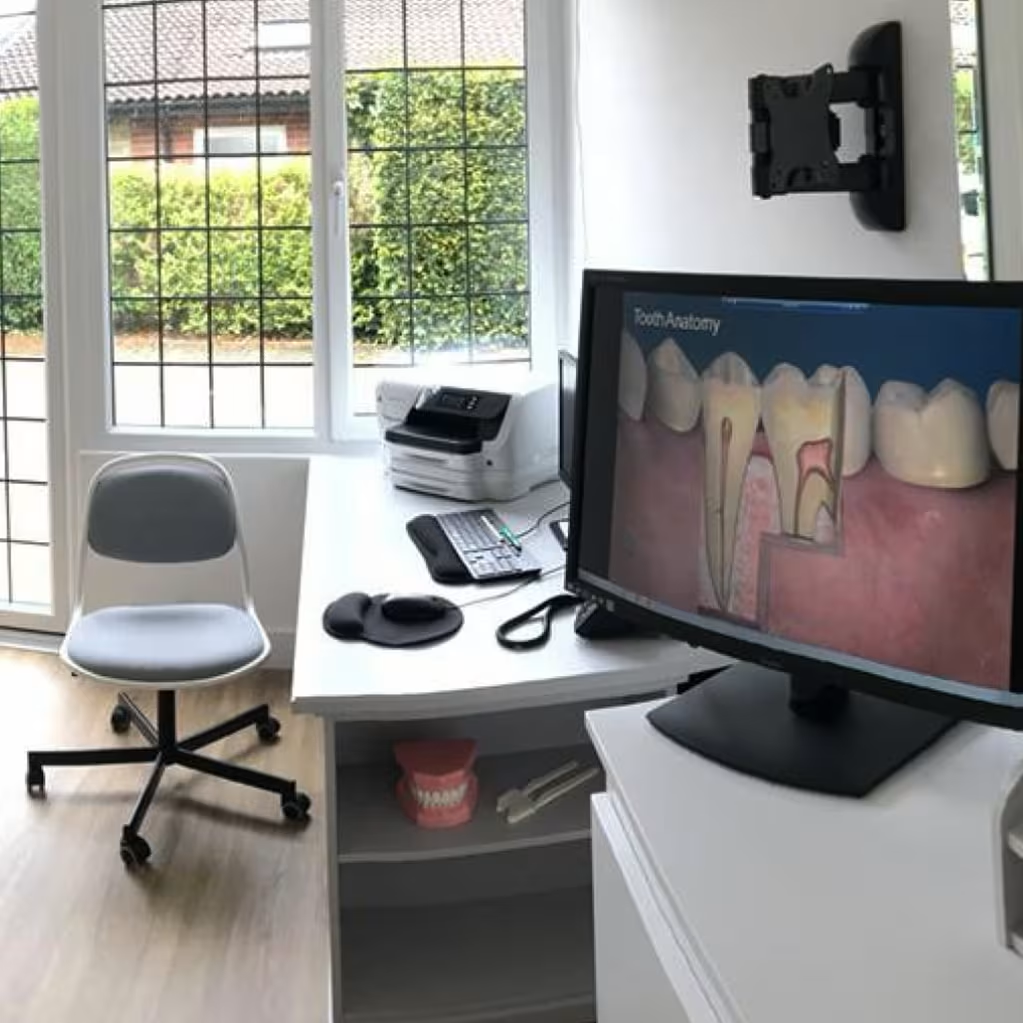
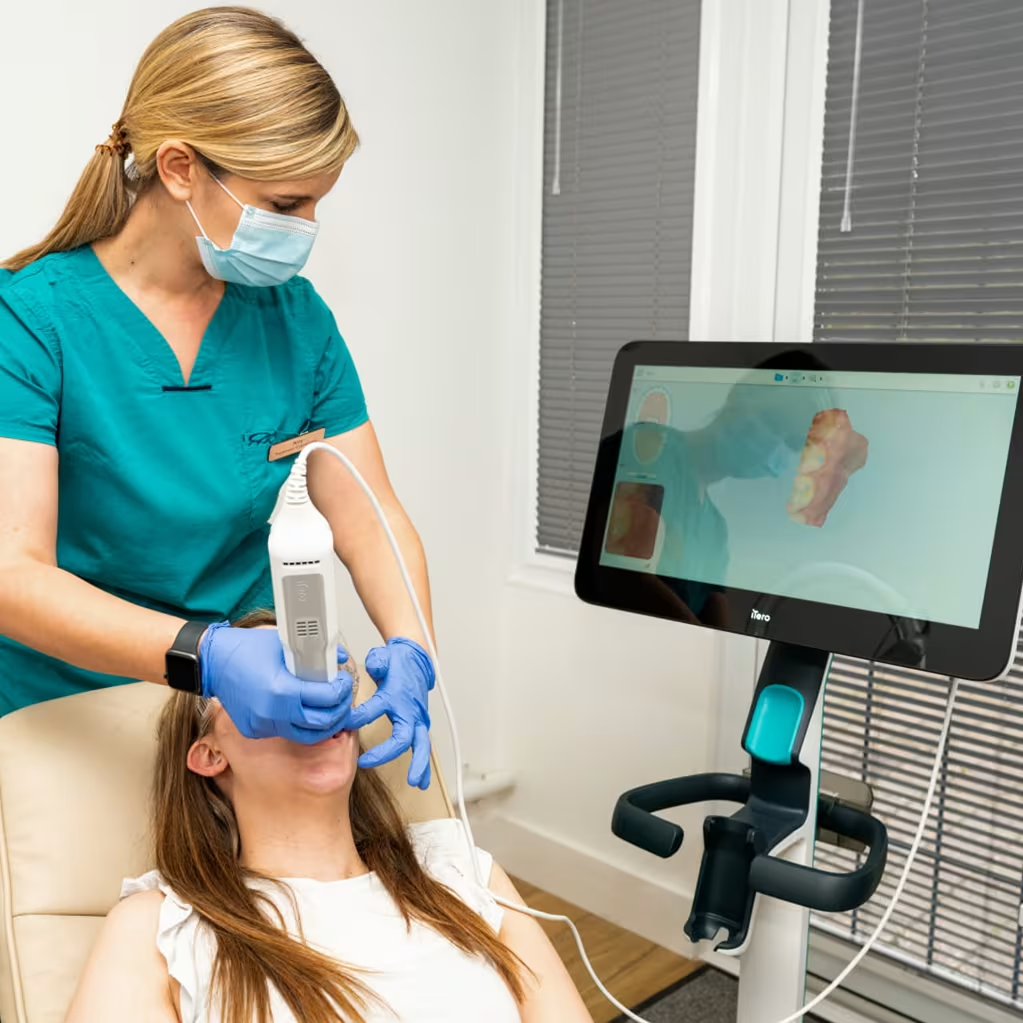
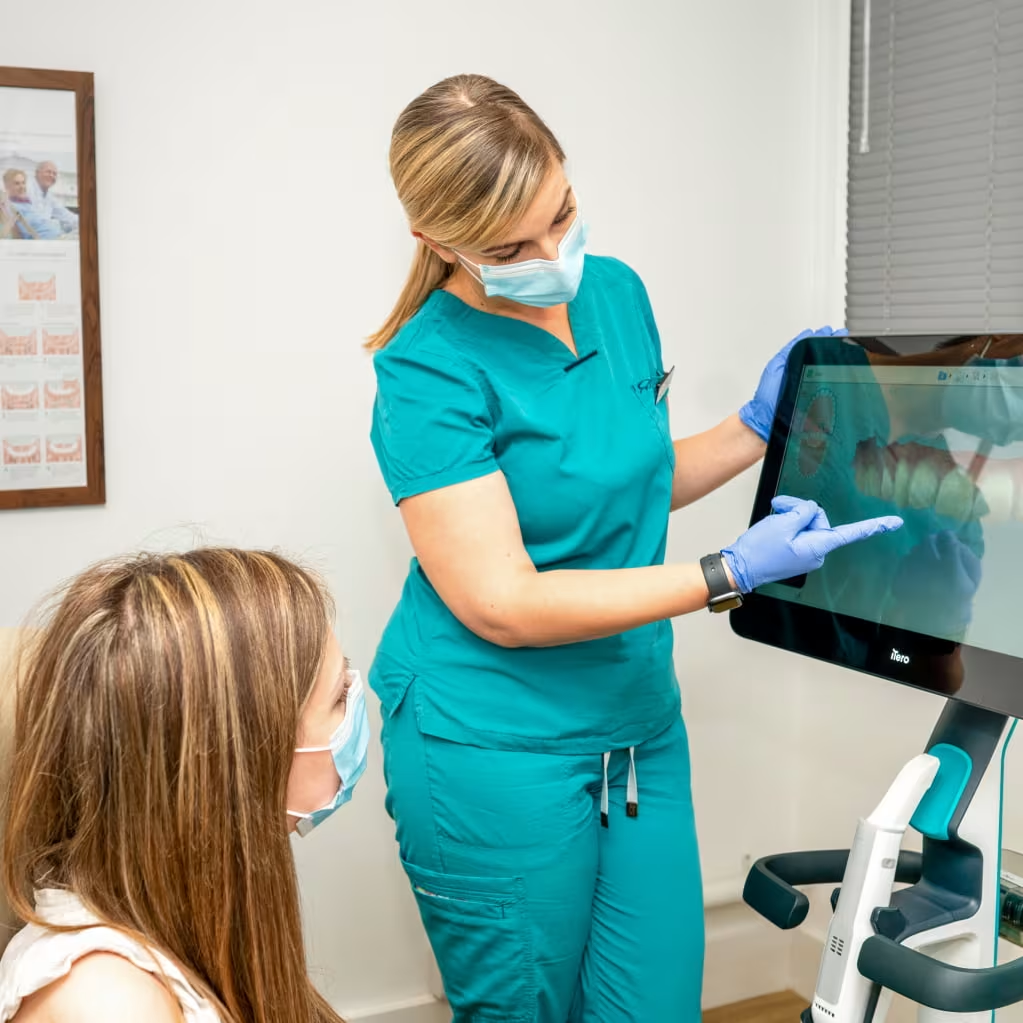
Professional dental care through regular hygienist appointments and dental check-ups allows early detection and prevention of problems. Our team at The Briars uses advanced technology like digital X-rays and 3D imaging to monitor your oral health comprehensively.
Clinical research consistently demonstrates that electric toothbrushes remove more plaque than manual brushes. A comprehensive Cochrane Review found that electric toothbrushes reduce plaque by 21% and gingivitis by 11% compared to manual brushing.
The oscillating-rotating action of quality electric toothbrushes creates micro-movements that disrupt bacterial biofilm more effectively than manual techniques. This mechanical advantage becomes particularly significant for patients who struggle with consistent brushing technique.
However, these statistics don’t tell the complete story. We regularly see patients with excellent oral health who’ve used manual toothbrushes their entire lives. The difference lies in technique, consistency, and overall oral hygiene habits.
Certain situations make electric toothbrushes particularly beneficial. If you’re wondering “do I need an electric toothbrush,” consider these scenarios where they offer distinct advantages:
Overbrushing tendencies represent one of the most common brushing mistakes we observe. Many patients brush too vigorously, potentially damaging tooth enamel and irritating gums. Electric toothbrushes with pressure sensors automatically reduce power or stop when excessive force is applied, protecting your teeth while maintaining effective cleaning.
Limited dexterity from arthritis, stroke recovery, or other conditions can make manual brushing challenging. Electric toothbrushes require minimal hand movement whilst delivering superior cleaning action.
Motivation and engagement often improve with electric toothbrushes, particularly models with timers, apps, or smart features. Many patients find these tools help establish better brushing habits.
Orthodontic appliances like braces create additional challenges for plaque removal. Electric toothbrushes can more effectively clean around brackets and wires, though specialised brush heads are essential.
Manual toothbrushes remain perfectly adequate for maintaining excellent oral health when used correctly. The key lies in proper technique, which many patients never learn effectively.
Effective manual brushing requires gentle, circular motions rather than aggressive back-and-forth scrubbing. Position the brush at a 45-degree angle to the gum line, allowing bristles to clean both teeth and the gum margin. Spend at least 30 seconds on each quadrant of your mouth, ensuring comprehensive coverage.
The NHS recommends using a small-headed brush with medium to soft bristles, replacing it every three to four months or when bristles begin to fray.
Many patients achieve outstanding results with manual brushes because they’ve developed excellent technique through years of practice. However, this requires discipline and attention that not everyone can maintain consistently.
Regardless of whether you need an electric toothbrush, building a comprehensive oral care routine maximises your dental health outcomes. At The Briars, we recommend these evidence-based practices:
Interdental cleaning should complement your brushing routine daily. Choose between traditional floss, interdental brushes, or water flossers based on your preferences and specific needs. Our hygienist team can demonstrate the most effective techniques during your appointments.
Mouthwash selection depends on your individual requirements. Fluoride mouthwashes provide additional protection against decay, whilst antibacterial formulations help control gum disease. The British Society of Periodontology offers guidance on choosing appropriate products.
Professional maintenance through regular hygienist visits removes hardened plaque (tartar) that no home brushing can eliminate. Our Guided Biofilm Therapy at The Briars uses advanced technology to remove biofilm more comfortably and effectively than traditional scaling methods.
Dietary considerations significantly impact oral health. Limiting sugary snacks and acidic drinks between meals allows your teeth time to remineralise naturally.
So, let’s consider the question once more ‘do I need an electric toothbrush?’ The answer depends on your individual circumstances, preferences, and oral health goals.
Electric toothbrushes offer proven clinical advantages and can be particularly beneficial if you struggle with technique, tend to overbrush, or want additional motivation to maintain good habits. They’re an excellent investment for most patients seeking to optimise their oral health.
However, manual toothbrushes remain effective tools when used correctly and consistently. Many patients achieve excellent results with manual brushes, particularly when combined with proper interdental cleaning and regular professional care.
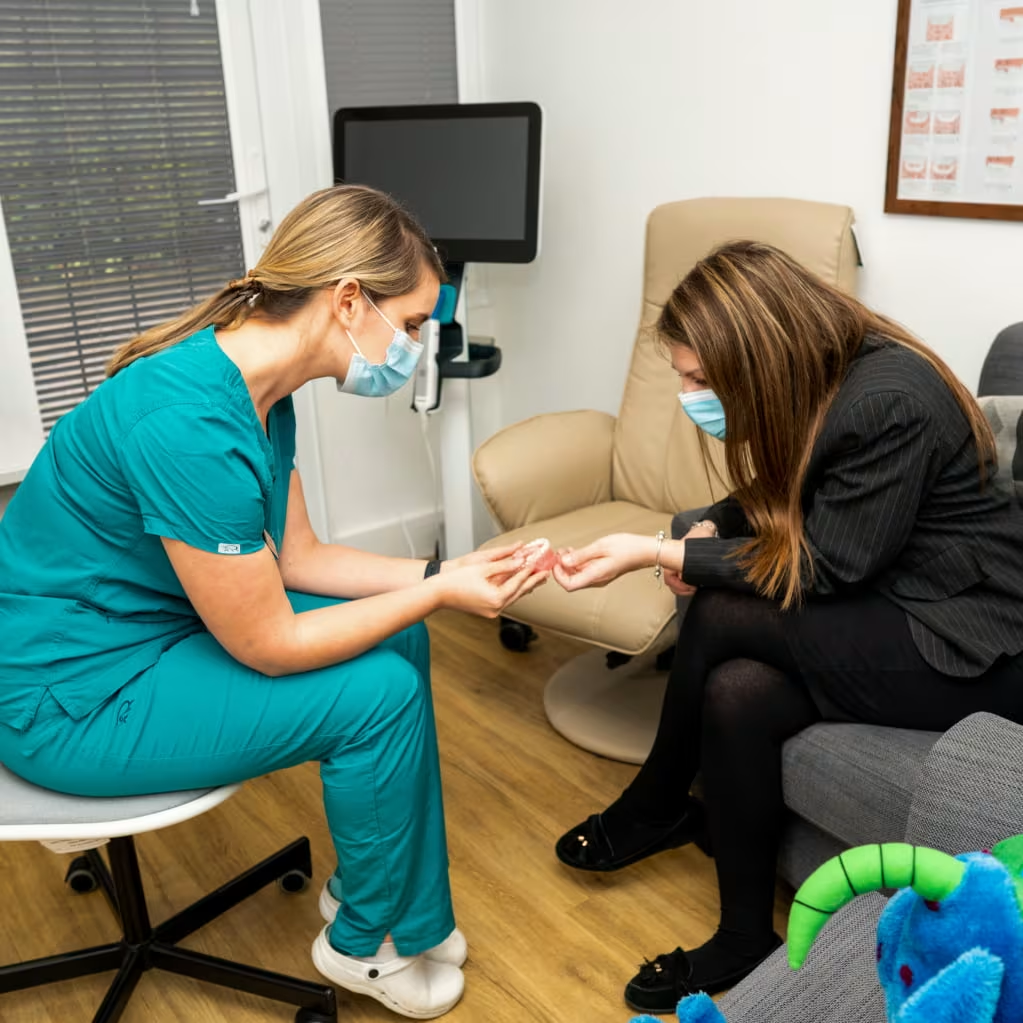
At The Briars, we believe the best toothbrush is the one you’ll use consistently and correctly. Our team can assess your current oral health status, discuss your specific needs, and provide personalised recommendations during your consultation.
The most important factor isn’t whether you choose electric or manual—it’s establishing a comprehensive routine that includes proper brushing technique, daily interdental cleaning, fluoride protection, and regular professional care.
If you’re considering upgrading to an electric toothbrush or want personalised advice about optimising your oral health routine, our experienced team at The Briars Dental Centre is here to help. Contact us to schedule a consultation where we can assess your individual needs and create a tailored oral health plan that keeps your smile healthy for life.
Remember, your smile means everything to us, and we’re committed to helping you achieve your dental goals through evidence-based care, advanced technology, and personalised attention that sets The Briars apart as West Berkshire’s premier dental practice.
Ready to transform your oral health? Book your consultation at The Briars Dental Centre today and discover how our expert team can help you achieve optimal dental wellness.
Back to blog