Invisalign is often promoted as an easy, seamless way to straighten teeth. Yet for many patients, the reality can feel very different. Discomfort, slow progress, unexpected delays, or disappointing results are all common Invisalign problems we see – often in patients who were told their treatment would be straightforward.
At The Briars Dental Centre, we regularly support patients who are either experiencing Invisalign problems or want reassurance before starting treatment. In most cases, these issues are not caused by the aligners themselves, but by how the treatment was planned and managed.
Understanding the most common Invisalign problems – and how they can be prevented – can help you feel more confident about your treatment decisions.
Invisalign is a sophisticated system, but it is not self-directing. The aligners follow a digital plan, and if that plan doesn’t fully account for your bite, oral health, or long-term goals, problems can arise.
Many Invisalign problems stem from:
Inadequate assessment
Oversimplified planning
Limited experience with complex cases
Unrealistic expectations
The good news is that most of these issues are avoidable with the right approach, which is why understanding common Invisalign planning mistakes is so important before treatment begins.
Some discomfort is normal when teeth begin to move. However, persistent pain is one of the most common Invisalign problems patients report.
This can occur when:
Teeth are being moved too quickly
Attachments are poorly positioned
Bite forces haven’t been properly assessed
Careful planning and staged movement help ensure tooth movement is efficient without unnecessary strain.
When aligners don’t fit snugly or teeth fail to move as predicted, this is known as poor tracking — one of the most frustrating Invisalign problems.
Common causes include:
Insufficient attachments
Overambitious movement plans
Inconsistent wear (even if patients believe they’re compliant)
Regular monitoring and built-in refinements are essential to keep treatment on track.
Patients are often promised optimistic timelines. When those timelines slip, frustration follows.
This Invisalign problem usually results from:
Underestimating case complexity
Failing to plan refinements
Adjusting the plan reactively rather than proactively
A realistic, well-structured plan from the outset helps avoid unnecessary extensions.
Straight teeth don’t always mean a comfortable bite.
Some Invisalign problems only become apparent as treatment progresses, such as:
Teeth meeting unevenly
Difficulty chewing
Jaw discomfort
This happens when bite relationships are not prioritised during planning. At The Briars, bite and function are assessed alongside aesthetics from the very beginning.
Another common Invisalign problem is discovering later that further treatment is needed — often unexpectedly.
Patients may be told they now require:
Composite bonding or veneers
Replacement of missing teeth with implants
Restorations to manage wear or recession
When Invisalign is planned in isolation, these needs can emerge as surprises. Comprehensive planning avoids this by mapping the full smile journey from the start.
Invisalign treatment is not “set and forget”.
Problems can arise when:
Appointments are too infrequent
Changes aren’t made early enough
Progress isn’t closely reviewed
Ongoing monitoring allows clinicians to identify issues early and adjust treatment before small problems become major setbacks.
Attachments are often essential, but poorly planned attachment placement is a frequent source of Invisalign problems.
Issues include:
Attachments feeling bulky
Increased irritation
Aesthetic concerns patients weren’t prepared for
Clear communication and thoughtful placement help minimise these concerns and improve patient confidence.
Teeth have a natural tendency to move back. One of the most disappointing Invisalign problems is relapse after treatment has finished.
This often occurs when:
Retention hasn’t been properly planned
Bite stability wasn’t achieved
Long-term wear patterns weren’t considered
Retention is not an afterthought — it’s part of responsible Invisalign planning.
Perhaps the most overlooked Invisalign problem is emotional rather than technical.
Patients may feel:
Unsure what’s normal
Concerned their questions aren’t taken seriously
Anxious about progress
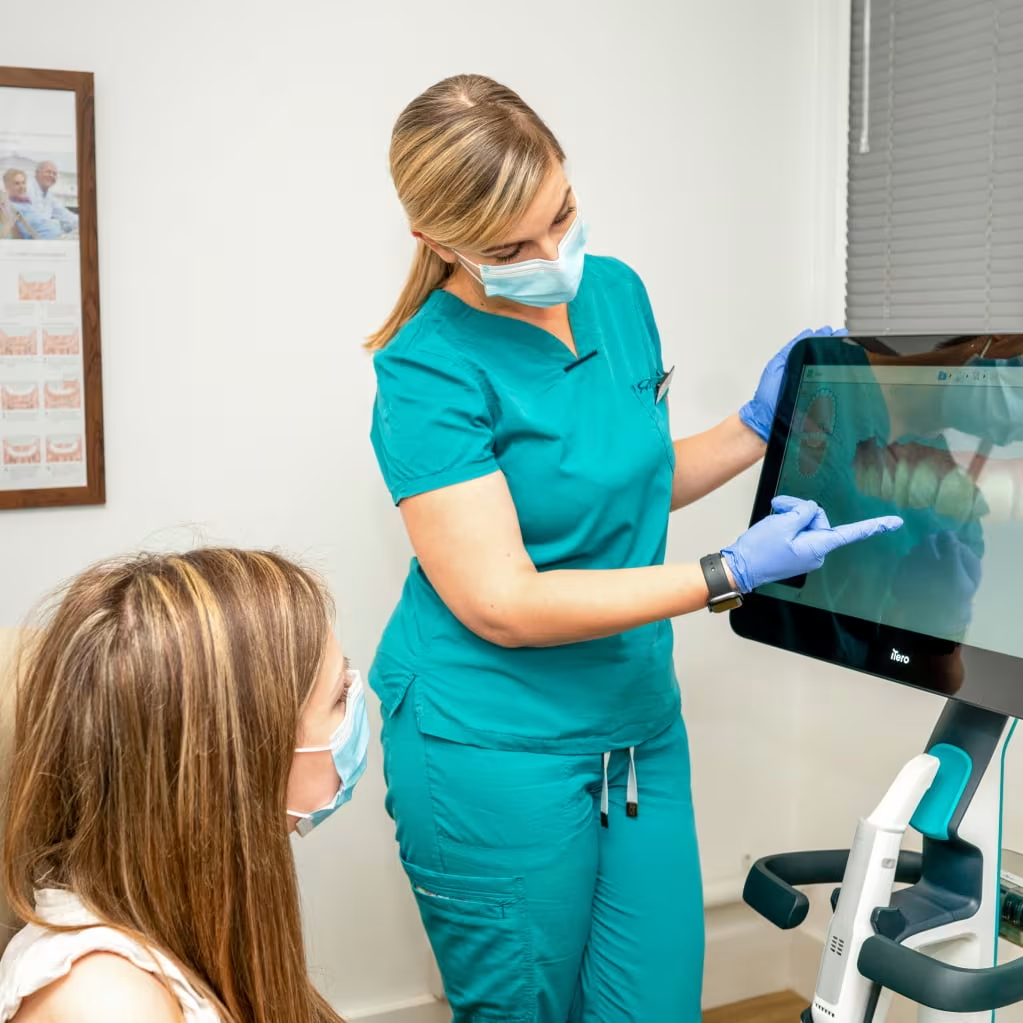
Clear communication, reassurance, and accessibility are essential parts of successful care.
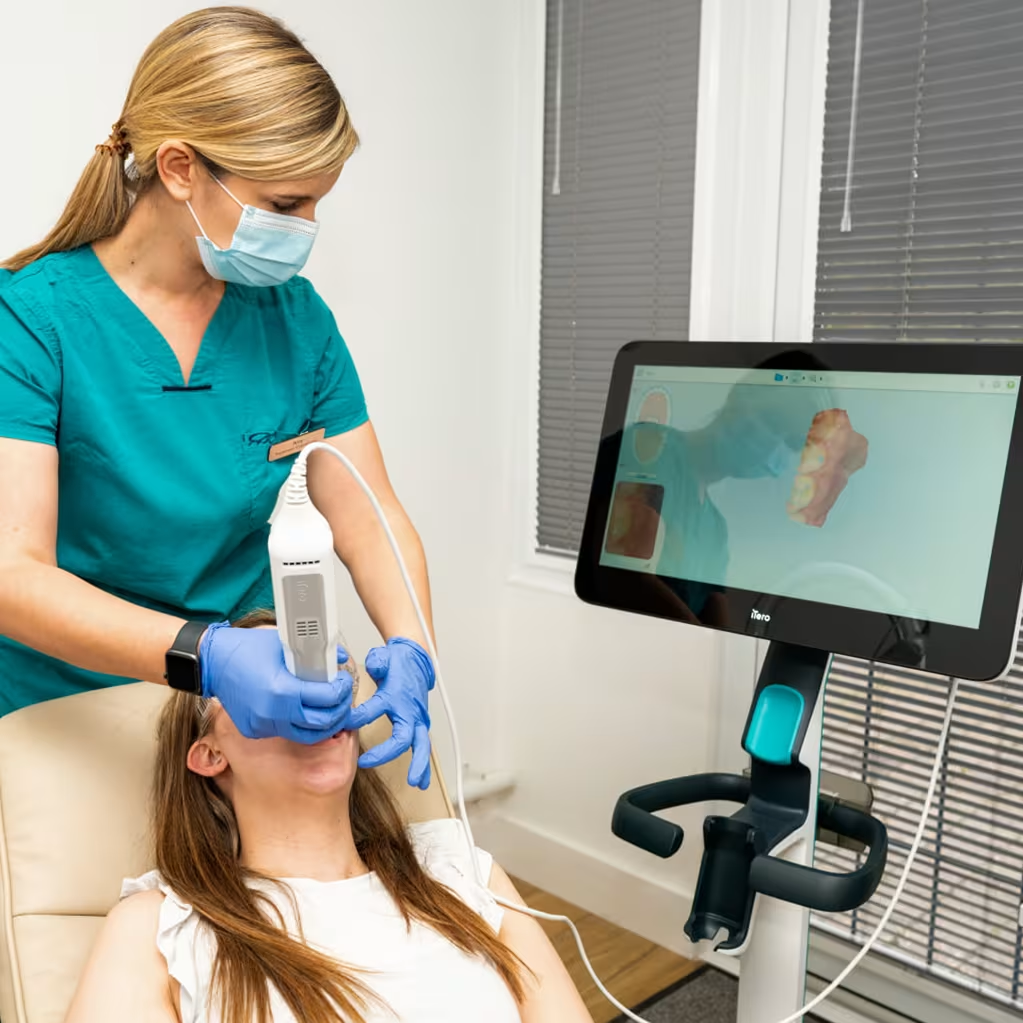
At The Briars Dental Centre, Invisalign treatment is planned and managed with the understanding that many cases are more complex than they first appear.
Our approach includes:
Comprehensive assessments before treatment begins
Advanced digital planning to consider future restorative needs
Realistic timelines and transparent communication
Ongoing monitoring and refinement
Multidisciplinary thinking for patients who may need bonding, veneers, implants, or restorative care
By addressing Invisalign problems at their root — planning and oversight — we help patients achieve results that are both predictable and long-lasting.
Invisalign problems are not inevitable, but they are common when treatment is rushed or oversimplified.
If you’re experiencing issues with your aligners, or you want reassurance before starting treatment, a detailed consultation can help clarify whether Invisalign is right for you – and how to avoid problems before they begin.
For more information about orthodontics in general, visit the British Orthodontic Society patient information here!
Your smile means everything to us, and solving problems before they arise is part of delivering the high-quality care you deserve.
Back to Blog