‘My Dentist Has Retired – Help!’
Finding out that my dentist has retired is something thousands of patients across the UK experience every year. It can feel surprisingly unsettling – particularly if you’d built up a long relationship with someone you trusted. Suddenly you’re starting from scratch, and knowing where to begin isn’t always obvious.
The good news is that this is a very manageable situation, and acting sooner rather than later puts you in a much stronger position. Here’s what to do.
The moment most people think “my dentist has retired” is the moment they consider putting the whole thing off. It’s tempting to wait until something goes wrong before finding someone new. The problem with that approach is that you want to be an established patient at a practice you trust before you need urgent treatment – not scrambling to find someone on the day a tooth breaks or an abscess develops.
Acting within a few weeks of finding out gives you options. Waiting until there’s a problem can mean limited availability and making rushed decisions about something that really deserves careful thought.
It is also worth speaking with your retiring practitioner – they can often give you advice on who they feel may provide the most appropriate care based on your treatment needs. This can often be a trusted practice they have referred to in the past, or passing you over to the dentist taking over their list of patients.
Step 1: Contact the Retiring Practice for Your Records
Before anything else, get in touch with your previous practice and ask them to transfer your dental records. You’re entitled to these, and most practices will handle this smoothly. Your records include clinical notes, X-rays, and details of any ongoing treatment – all of which give a new dentist a valuable head start in understanding your oral health.
If you’re mid-treatment when your dentist has retired, this is especially important. Make sure you understand exactly where treatment stands and what, if anything, still needs to be completed. Usually retirement is planned well in advance to accommodate finishing treatment plans for patients – but it’s important to know where you are with treatment.
Step 2: Decide What Kind of Dental Care You Want
This is a useful moment to think about whether your previous arrangements still suit you. If you were an NHS patient, you can search for NHS practices accepting new patients at nhs.uk. If you’re considering making the move to private dentistry – or if you were already private and want to find a comparable practice – this is the moment to explore what’s available.
Private dentistry typically offers a broader range of treatments, greater continuity of care with a named clinician, and more flexibility around appointments. The British Dental Association‘s patient information pages provide a helpful overview of the differences if you’re weighing up your options.
Step 3: Look for a Practice That Offers the Care You Need
Not all dental practices offer the same range of services. If my dentist has retired and I had a straightforward relationship involving routine check-ups and hygiene appointments, almost any well-regarded private practice will meet those needs. But if your dental history is more complex – or if you’ve been thinking about treatments such as dental implants, clear aligners, or specialist gum care – it’s worth finding a practice that can accommodate those needs from the outset, rather than having to be referred on later.
At The Briars Dental Centre in Newbury, we offer general and preventive dentistry alongside specialist periodontal and endodontic care, clear aligner treatment with Invisalign, dental implants, cosmetic dentistry, and Digital Smile Design – all under one roof. For patients across West Berkshire who find that my dentist has retired, The Briars can genuinely be a long-term dental home rather than a stopgap.
Step 4: Book a New Patient Appointment
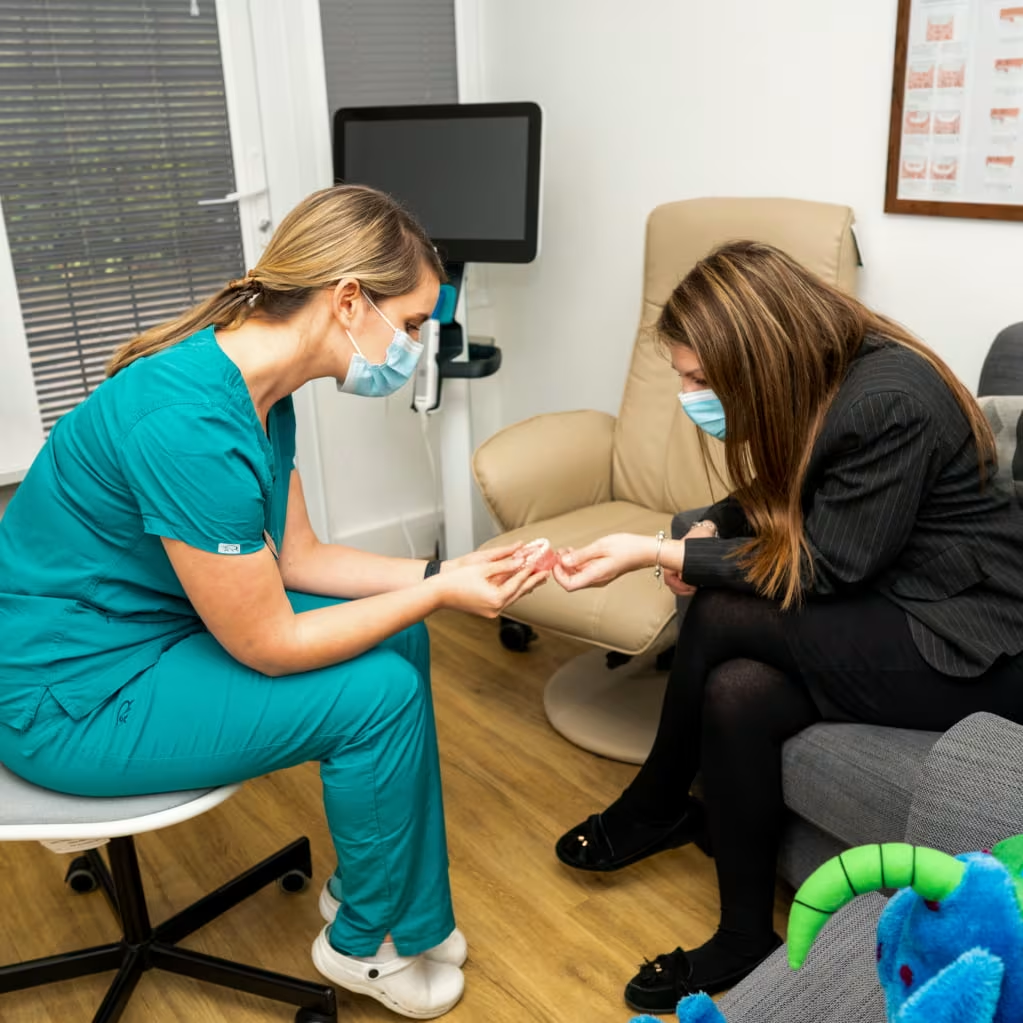
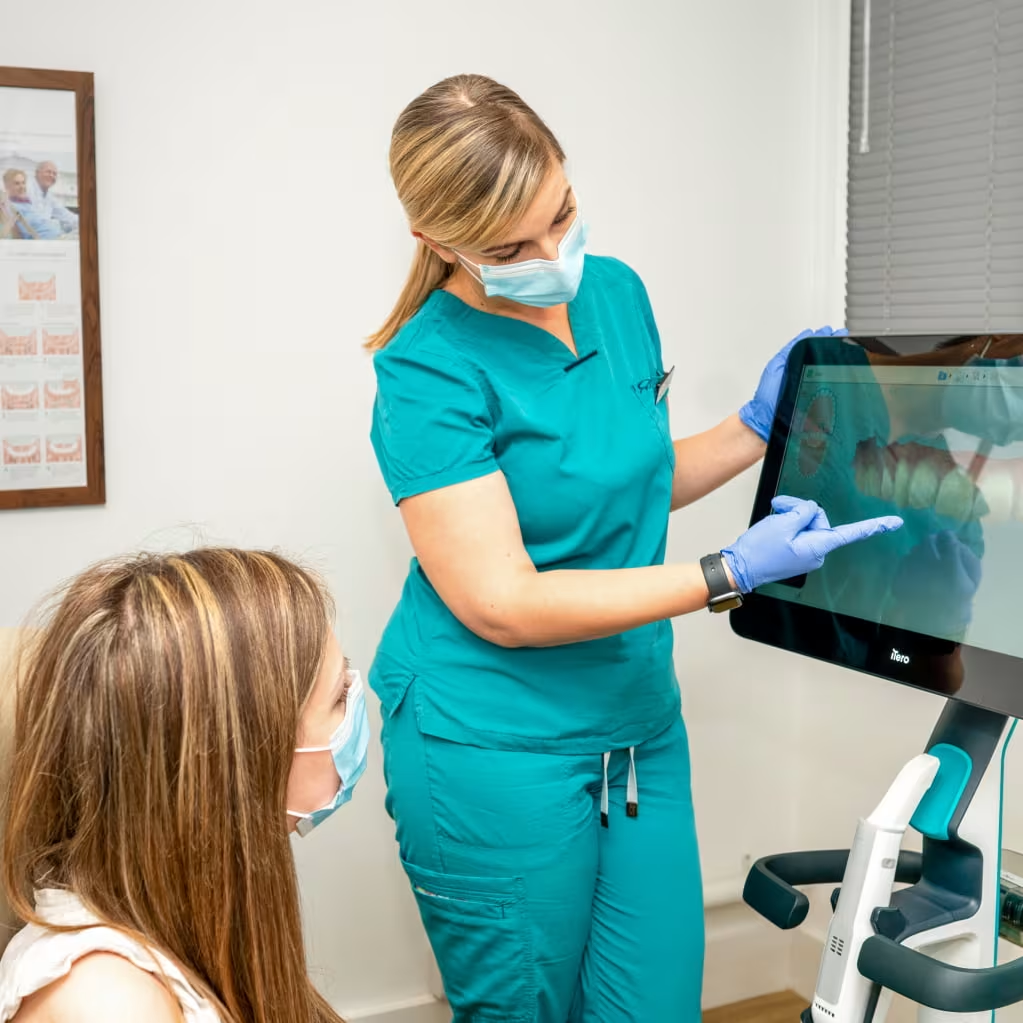
Once you’ve identified a practice that feels right, book in. At The Briars, every new patient is invited to meet with our Treatment Coordinator before their first clinical appointment. This is a free, relaxed conversation – no drills, no clinical examination – where you can talk through your dental history, any concerns you have, and what you’re looking for in a new practice. It’s particularly valuable if the experience of finding out my dentist has retired has left you feeling uncertain or anxious about starting somewhere new.
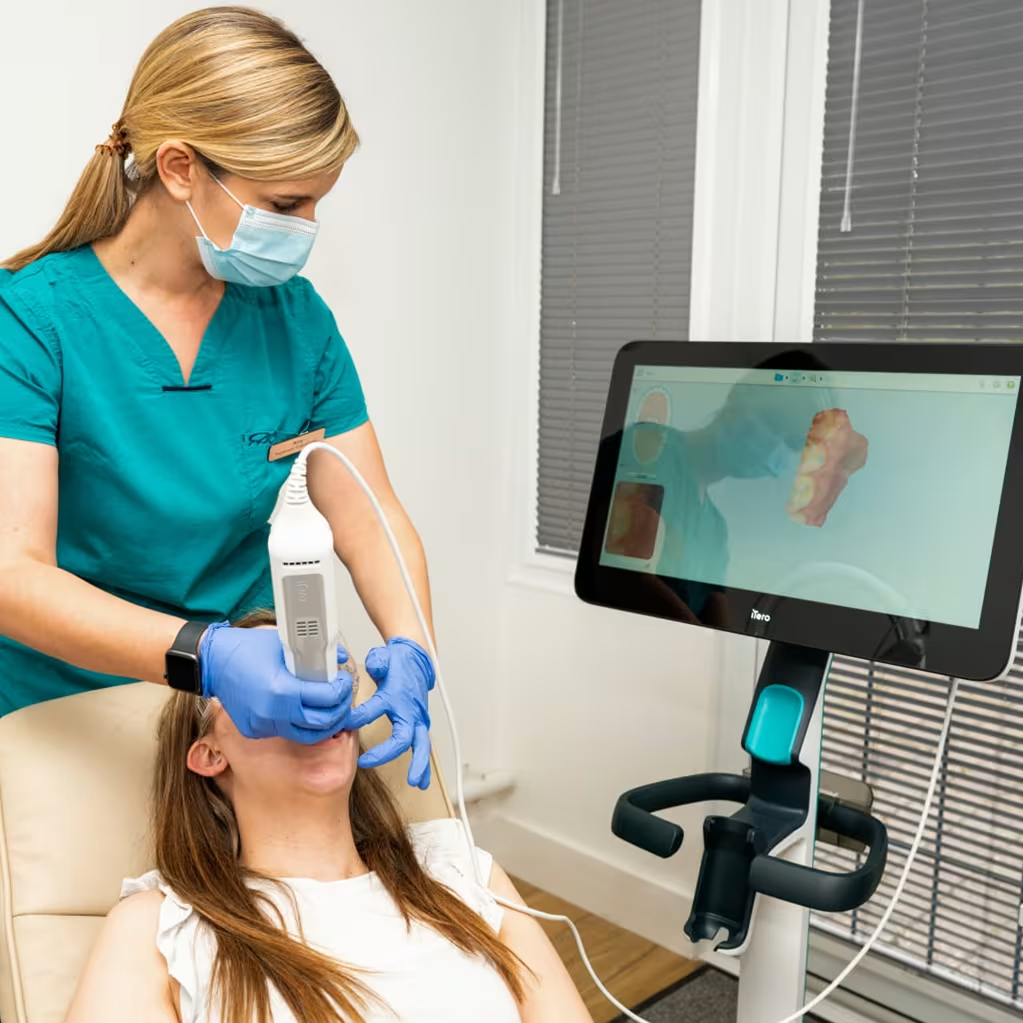
Your first clinical appointment – our new patient examination, priced at £180 – includes a comprehensive assessment of your teeth and gums, X-rays, and a clear discussion of your current oral health and any treatment that may be needed. Nothing is rushed, and nothing is decided without your full understanding and agreement.
Step 5: Get Back Into a Regular Routine
The disruption of finding a new practice after my dentist has retired can sometimes lead to an unintentional gap in care. Once you’re registered somewhere new, the priority is simply to get back into a regular rhythm – routine examinations and hygiene appointments at intervals suited to your individual needs.
For patients who haven’t attended regularly in some time, or who feel a little anxious about what they might be told after a gap, please don’t let that be a barrier. We see patients at all stages, and our job is never to make you feel judged – only to understand where you are now and help you move forward.
Discovering that my dentist has retired doesn’t have to mean a difficult or stressful transition. With a little time and thought, it can actually be an opportunity to find a practice that suits you better than ever. Finding a place you are comfortable in is key, and something to consider for a good long-term relationship. After being with a practitioner for several years, it can be a tricky transition – the check-ups may be longer, the language slightly different and the faces unfamiliar – so finding your feet and feeling comfortable in the chair is important.
If you’re looking for a private dentist in West Berkshire, we’d love to welcome you to The Briars. Get in touch with our team or book your Treatment Coordinator consultation online – we’ll take it from there.