Returning to the dentist after months or years away is something many people put off far longer than they intend to. Life gets busy, anxieties build, and what started as a short gap quietly becomes a much longer one. If that sounds familiar, you’re in very good company – and you’re certainly not alone in finding the prospect of that first appointment back feel more daunting than it should.
This article is for anyone who has been meaning to return but hasn’t quite managed it yet. Whether it’s been two years or ten, here’s what you need to know – and why returning to the dentist is always worth it, regardless of how long it’s been.
Understanding why gaps happen is the first step to closing them. The most common reasons people delay returning to the dentist include anxiety about what they might be told, embarrassment about the length of the gap itself, uncertainty about cost, or simply not having got around to registering somewhere new after moving or losing their previous practice.
None of these are unusual, and none of them are reasons to stay away. A good dental team has heard all of it before and won’t make you feel judged for any of it. What matters is that you’re thinking about coming back – and that the practice you choose makes that as straightforward as possible.
This is often the concern that sits heaviest – the fear of what’s been quietly developing while you’ve been away. It’s worth being honest about this, because the answer varies enormously from person to person.
Some patients returning to the dentist after several years find very little has changed and need only a hygiene appointment and a check-up to get back on track. Others may find that issues have developed that would have been simpler to address had they been caught earlier. The important thing to understand is that whatever the situation, it is always better to know than not to know. Problems that are identified and treated are manageable. Problems that continue to be avoided rarely get better on their own.
Gum disease in particular is worth knowing about, because it is largely symptom-free in its earlier stages. Many people returning to the dentist after a gap are surprised to learn their gums need attention – not because they’ve been neglectful, but simply because the condition had been developing quietly. The good news is that with professional treatment and the right home care routine, gum disease can be stabilised and managed very effectively.
The single most unhelpful thing you can do when returning to the dentist is let embarrassment about the gap stop you from coming in at all. Every member of a good dental team – from the receptionist to the clinician – understands that life happens. At The Briars, we see patients at every stage, including those who haven’t attended in many years. Our role is never to make you feel judged; it’s to understand where you are now and help you move forward from there.
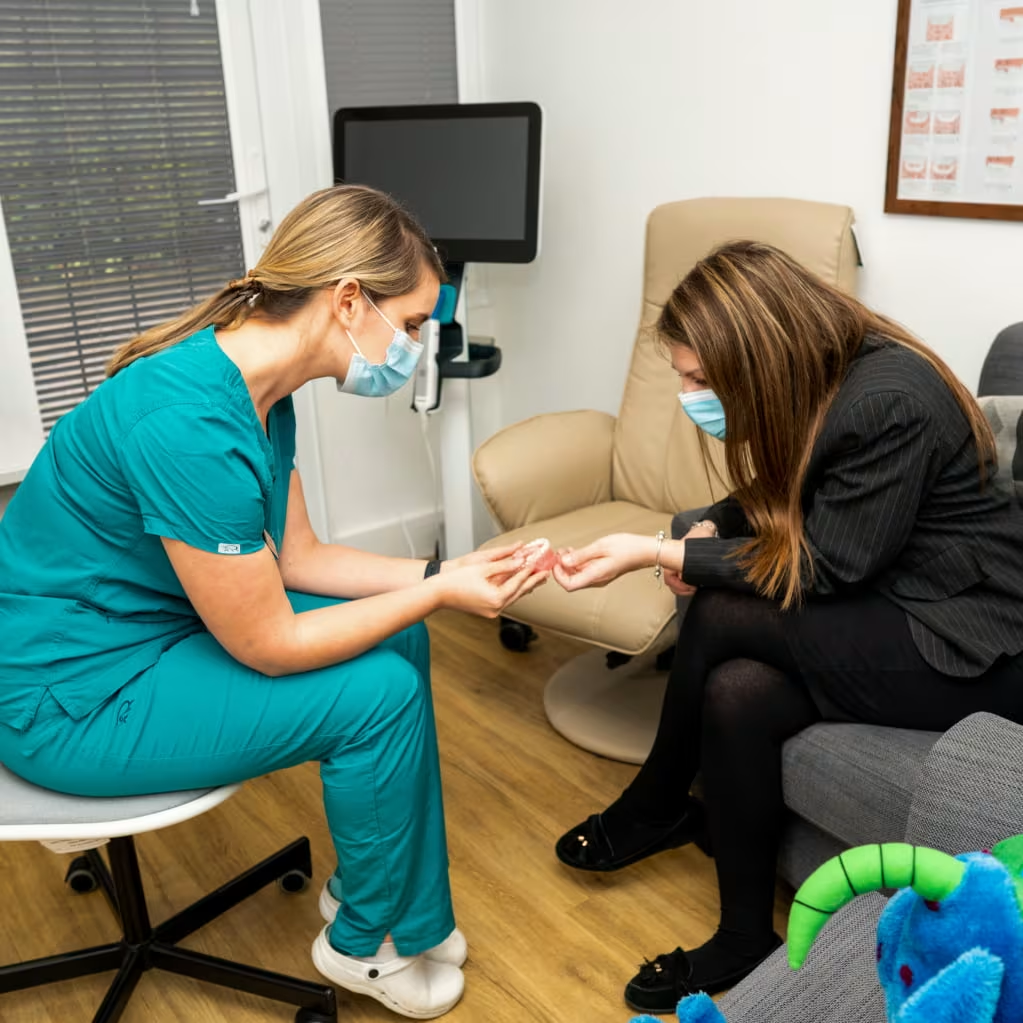
One of the most effective ways to make returning to the dentist feel manageable is to begin with a conversation rather than jumping straight into the chair. At The Briars, all new patients are invited to meet with our Treatment Coordinator before any clinical appointment takes place. This is a free, relaxed discussion – no examination, no equipment – where you can talk openly about your concerns, your dental history, and what you’re hoping to achieve. For patients who have been away for a while, this step alone can make an enormous difference to how the whole experience feels.
If the thought of returning to the dentist brings up genuine anxiety, say so. You don’t need to explain it perfectly or justify it — simply letting the practice know means your appointment can be planned around your needs rather than a generic template. At The Briars, we match patients with clinicians whose approach suits them, and we can adjust appointment length and pacing to make sure nothing feels rushed or overwhelming. Oral sedation is also available for patients who need additional support, discussed on a patient-by-patient basis.
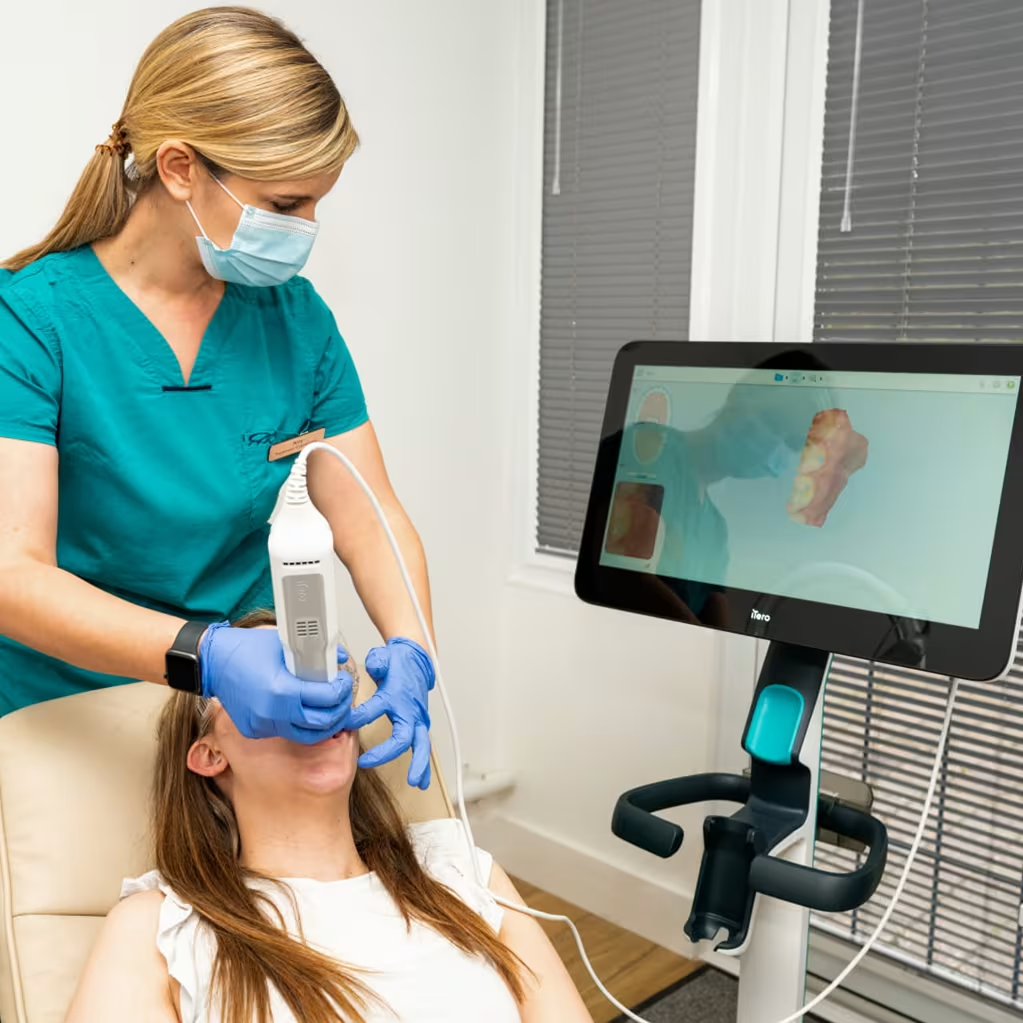
Your first clinical appointment after returning to the dentist will typically be a comprehensive new patient examination. At The Briars, this is priced at £180 and includes a thorough assessment of your teeth and gums, any necessary X-rays, and a clear, honest conversation about what the findings show and what, if anything, needs attention.
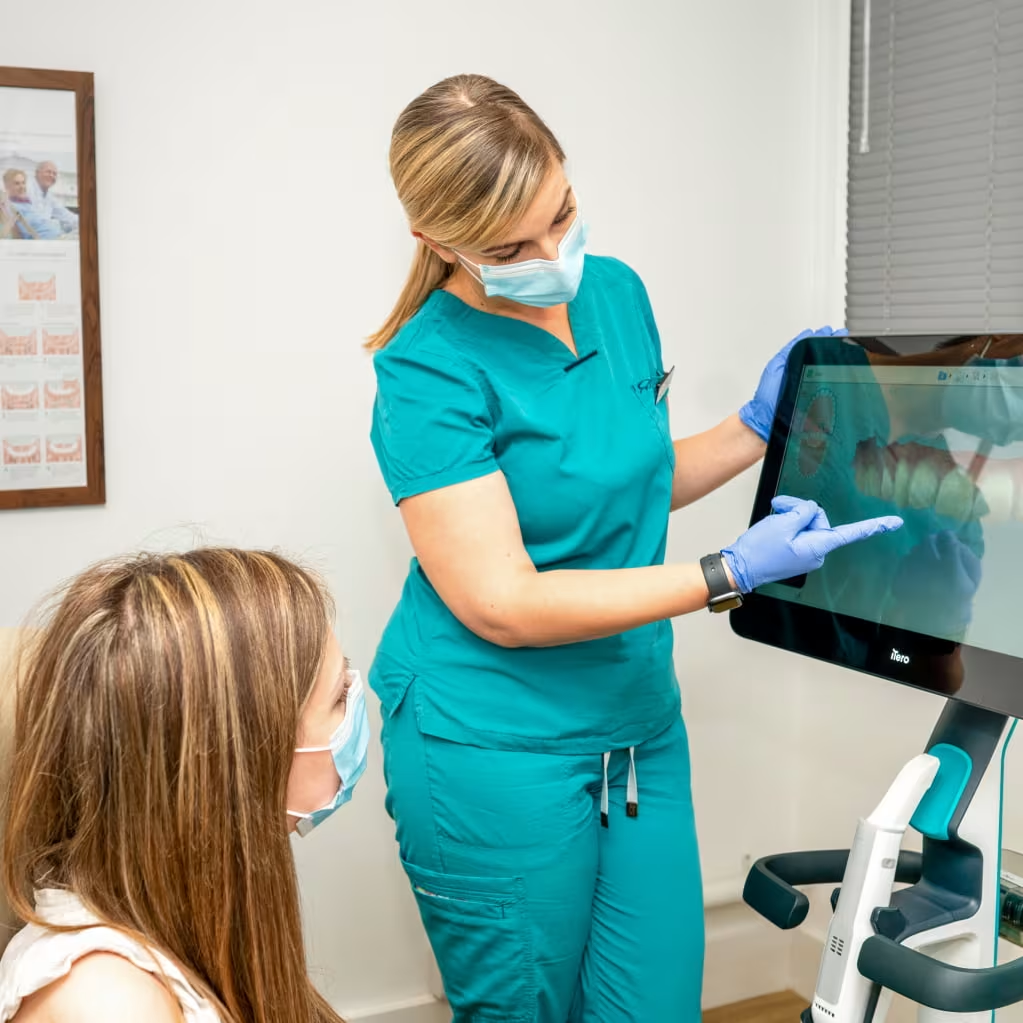
Nothing is decided without your full understanding and agreement. You’ll leave with a clear picture of where things stand and a realistic plan for moving forward – not a list of treatments you’re expected to commit to on the spot.
Returning to the dentist doesn’t mean resolving everything at once. If your first appointment back involves nothing more than a conversation, a check-up, and perhaps a hygiene appointment, that is a completely successful outcome. Building confidence gradually – one appointment at a time – is entirely valid, and most patients find that each visit becomes noticeably easier than the last.
If more treatment is needed, your clinician will explain the options clearly, including any associated costs and timescales, so you can make informed decisions at your own pace. Finance options are available for treatment plans over £1,000, which can make spreading the cost more manageable.
The best outcome of returning to the dentist is establishing a rhythm that means a long gap never happens again. Regular check-ups – at intervals recommended by your clinician based on your individual needs – and consistent hygiene appointments are the foundation of long-term oral health.
At The Briars, our hygienists deliver Guided Biofilm Therapy as standard at every hygiene appointment. GBT uses airflow technology and ultrasonic instruments to remove biofilm and deposits thoroughly and comfortably, and it’s significantly more effective than traditional scaling for patients who may have missed a few hygiene visits. Getting back into a regular routine is the single most important thing you can do for your oral health going forward.
It is never too late for returning to the dentist to make a meaningful difference. Whether the gap has been two years or twenty, there is always something that can be done to improve and protect your oral health. Modern dentistry has more options than ever for restoring teeth, managing gum disease, and helping patients maintain what they have — and the earlier you come in, the more of those options remain available to you.
The Oral Health Foundation has helpful resources for patients who have been away from dental care for a while, including information on what to expect and how to find a practice that’s right for you.
At The Briars Dental Centre, we understand that returning to the dentist after a long gap takes courage. We also know that the moment you make that first appointment is almost always the moment things start to feel better – not worse.
Our team in Newbury is here to welcome you without judgement, at whatever pace suits you. If you’d like to take that first step, get in touch to arrange a free Treatment Coordinator consultation – it’s a conversation, nothing more, and it’s entirely on your terms.
Back to blog