Many people struggle with traditional toothpastes due to sensory sensitivities or medical conditions. If you find standard toothpastes uncomfortable or intolerable, you’re not alone—and there are solutions available to help you maintain good oral health without distress. Read on to find out more about toothpaste options for sensory needs and for medical conditions.
If you’ve ever experienced a burning sensation from mint flavours, gagging from foaming agents, or discomfort from strong tastes, this might be related to sensory processing differences. For many people with autism spectrum disorder, sensory processing disorders, or certain neurological conditions, the intense sensory experience of regular toothpaste can make daily oral care extremely difficult.
Medical conditions can also make standard toothpastes problematic. If you have oral lichen planus, burning mouth syndrome, recurring mouth ulcers, or Sjögren’s syndrome, you may find that ingredients in regular toothpastes aggravate your symptoms. Similarly, if you’re undergoing treatment for head and neck cancer, chemotherapy, or radiotherapy, your mouth may be particularly sensitive and easily irritated.
Oranurse was specifically developed for people with sensory processing challenges. It contains no flavouring and no sodium lauryl sulphate (SLS – the ingredient that makes toothpaste foam), making it much more comfortable for those who find standard toothpastes overwhelming.
Oranurse offers several options to suit different needs:
The toothpaste has a low abrasivity rating, which means it cleans effectively while being gentle on your tooth enamel. Many people with autism, sensory processing disorders, and various medical conditions have reported significant improvements in their ability to maintain oral hygiene after switching to Oranurse.
Several other specialist options are available if you struggle with standard toothpastes. Here are some other toothpaste options for sensory needs and medical conditions.
Biotène: If you experience dry mouth, Biotène products are formulated with enzymes that help supplement natural saliva components. The mild flavour and non-foaming formula may be more comfortable if you have sensory sensitivities.
SLS-Free Toothpastes: Various brands now offer SLS-free formulations that significantly reduce foaming. These can be particularly helpful if you suffer from recurrent mouth ulcers or mucosal conditions, as SLS has been linked to ulcer formation in some people.
Prescription-Strength Options: If you’re at higher risk of tooth decay, your dentist can prescribe higher fluoride toothpastes (2800 ppm or 5000 ppm). Some of these are available in milder flavours that might be more tolerable while providing enhanced protection.
Everyone’s sensory preferences and medical needs are unique, so finding the right toothpaste may take some trial and error. Consider these points as you explore options:
Fluoride Content: For most people, fluoride provides important protection against tooth decay. Unless you have a specific reason to avoid fluoride, look for alternatives that still contain appropriate fluoride levels.
Gentleness: If you have sensitive teeth or gums, products with lower abrasivity (like Oranurse) will clean effectively without causing additional irritation.
Identifying Your Triggers: Try to pinpoint exactly what bothers you about standard toothpastes. Is it the mint flavour, the foaming, the texture, or something else? This can help you find alternatives that avoid your specific triggers.
Additional Support: If you have sensory processing challenges, you might also benefit from adaptive toothbrushes, visual timers, or other tools that make the overall experience more comfortable.
At The Briars, we understand the significant impact sensory challenges and medical conditions can have on your daily oral care routine. We’re committed to helping you find solutions that work for your individual needs.
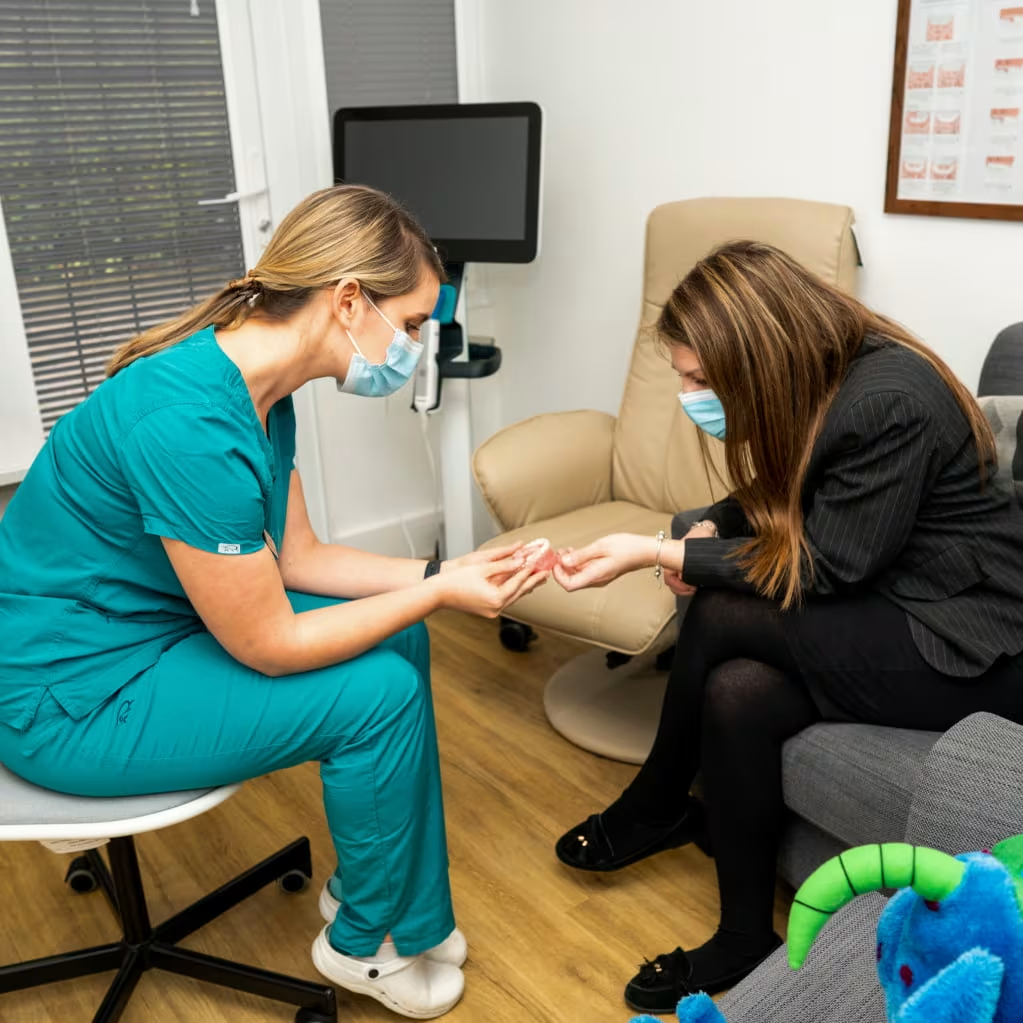
During your appointment, we welcome discussions about your specific sensory preferences or concerns. We can provide recommendations tailored to your situation.
Remember, finding the right toothpaste can transform your oral hygiene experience. With appropriate products and support, maintaining good oral health can become significantly more comfortable, even if you have complex sensory or medical needs.
Please don’t hesitate to speak with us about any difficulties you’re experiencing with any aspect of your oral health—we’re here to help you find solutions that work for you.
Back to blog