Tooth sensitivity can transform simple pleasures like enjoying an ice cream on a summer’s day or sipping a hot cup of tea into uncomfortable experiences. If you’re wondering about treating sensitive teeth at home, you’re not alone—this common dental concern affects millions of people across the UK, particularly when exposed to hot and cold temperatures. The good news is that there are several effective methods you can try from the comfort of your own home to manage this temperature-related sensitivity.
Before exploring treatment options for treating sensitive teeth at home, it’s essential to understand what causes tooth sensitivity, particularly to hot and cold temperatures. When the protective enamel on your teeth wears down or your gums recede, the underlying dentine becomes exposed. This layer contains tiny tubes that lead directly to your tooth’s nerve centre, making you feel sharp pain when exposed to temperature changes as well as sweet or acidic substances.
Common causes include:
Managing sensitivity to hot and cold temperatures requires consistent, proven methods that strengthen your teeth and protect exposed dentine. Let’s explore treating sensitive teeth at home.
Specially formulated toothpastes containing potassium nitrate or stannous fluoride work by blocking the tiny tubes in your dentine. For best results, apply a small amount directly to sensitive areas and do not rinse. Consistency is key—you’ll typically see improvement within 2-4 weeks of regular use.
Replace hard-bristled toothbrushes with soft alternatives. The softer bristles clean effectively while protecting your enamel and gums from further damage. Electric toothbrushes with pressure sensors can also help prevent over-brushing.
Use gentle, circular motions rather than aggressive back-and-forth scrubbing. Hold your toothbrush at a 45-degree angle to your gums and brush for the recommended two minutes, twice daily.
Preventing further sensitivity is just as important as treating current symptoms.
Limit acidic foods and beverages such as:
When you do consume acidic items, use a straw to minimise contact with your teeth, and wait at least 30 minutes before brushing to allow your enamel to reharden.
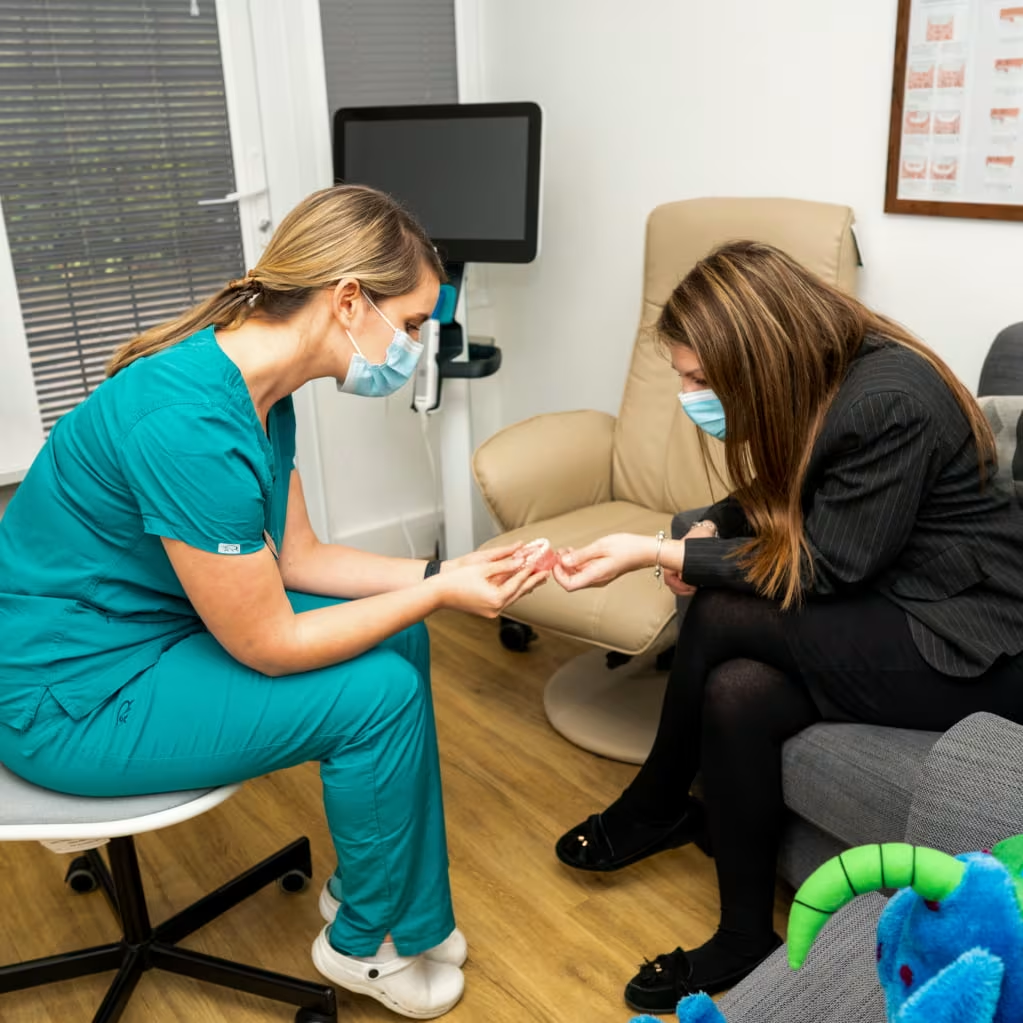
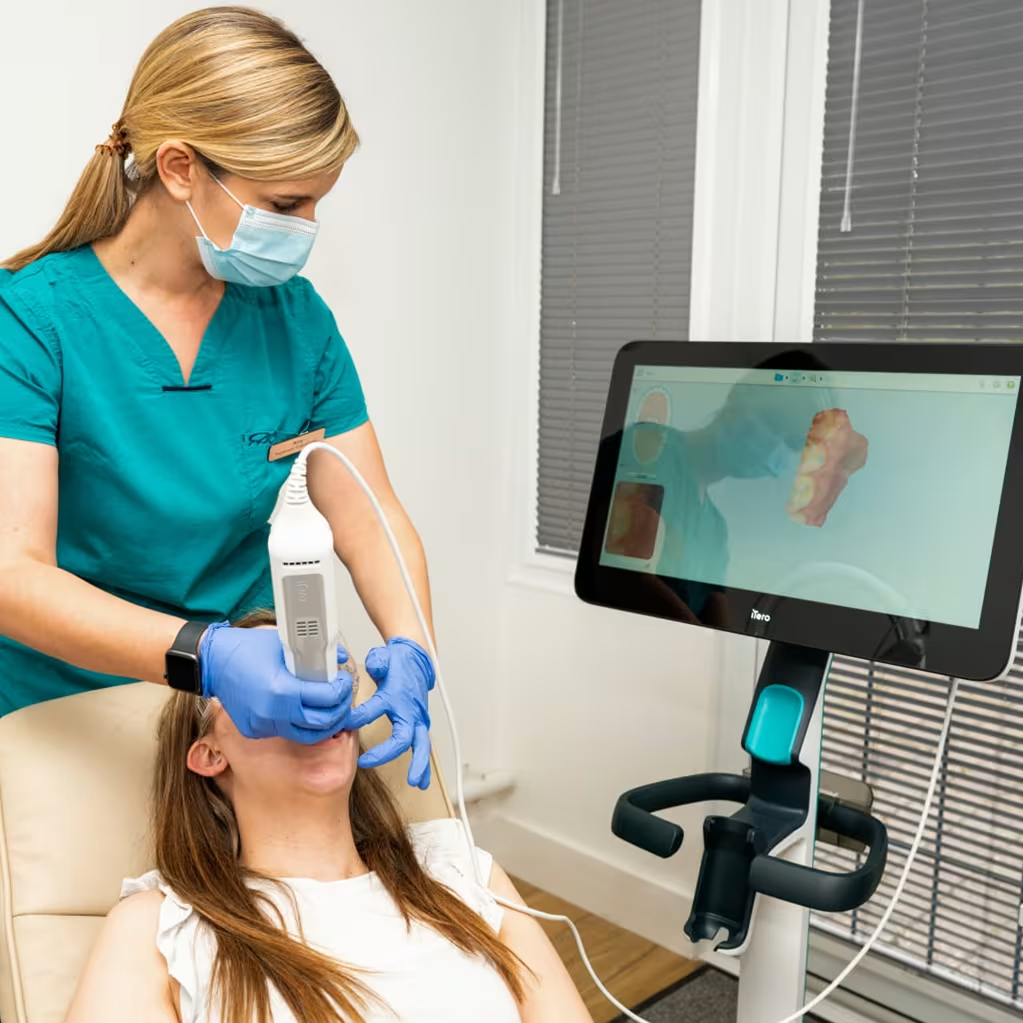
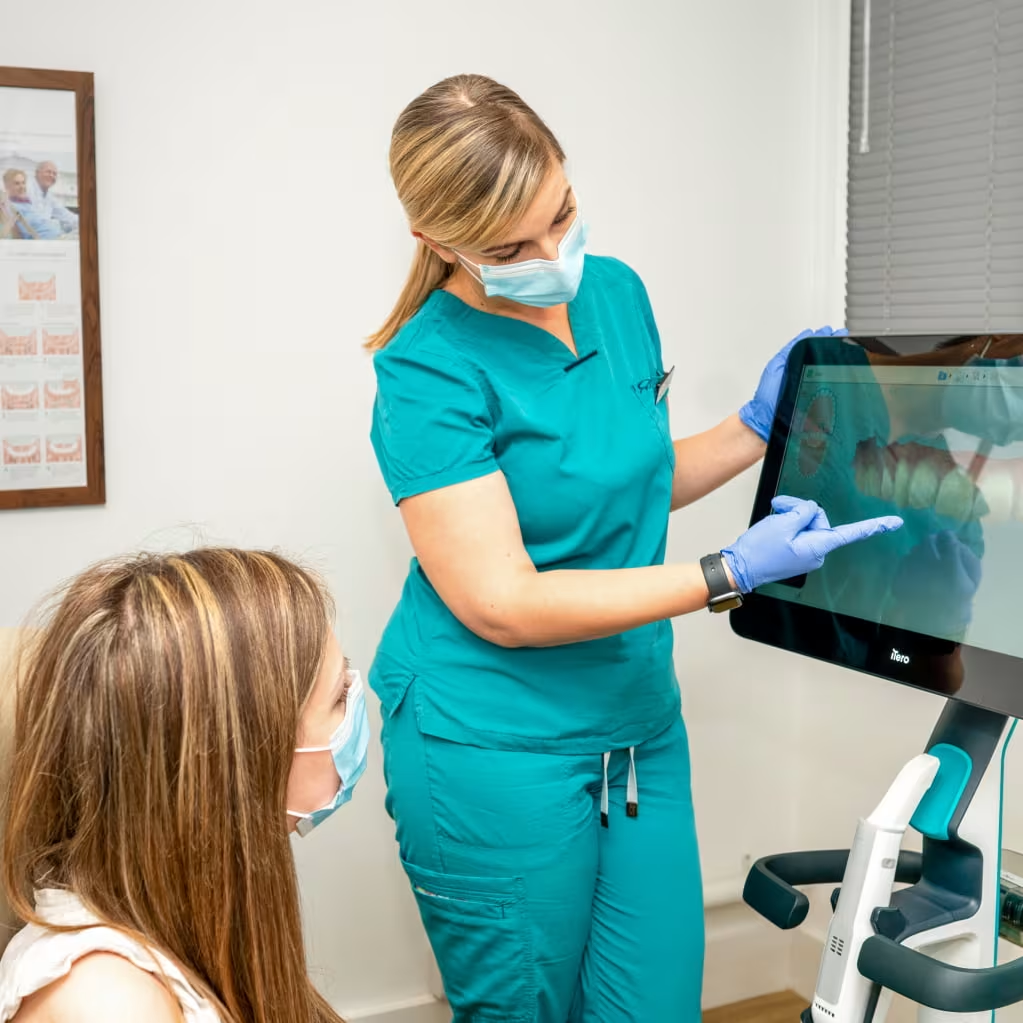
If you grind your teeth at night, consider using a custom-made mouthguard. This protects your enamel from excessive wear while you sleep. This is something we would discuss with you during your dental examination and prescribe for you following this. Impressions are taken using our iTero scanner and sent to the dental laboratory to be made.
Maintain excellent oral hygiene with daily brushing and interdental cleaning. This prevents gum disease, which can contribute to sensitivity.
Whilst home treatments can be highly effective, certain situations require professional dental care:
Professional treatments may include fluoride varnishes, dental sealants, or addressing underlying issues such as cavities or gum disease.
At The Briars Dental Centre in Newbury, our experienced team understands how tooth sensitivity can impact your quality of life. Our comprehensive approach combines cutting-edge technology with personalised care to address the root causes of your sensitivity.
We offer advanced diagnostic tools to identify underlying issues that might be contributing to your discomfort. Our gentle, patient-focused approach ensures you feel comfortable throughout your treatment journey.
Whether you need professional desensitising treatments, custom bite guards, or advice on optimising your home care routine, our friendly team is here to help you achieve lasting relief and maintain excellent oral health.
Learning about treating sensitive teeth at home empowers you to manage discomfort effectively whilst maintaining excellent oral health. Start with gentle techniques like desensitising toothpaste and proper brushing methods, but don’t hesitate to seek professional guidance if symptoms persist.
Remember, your smile means everything to us at The Briars, and we’re here to support you every step of the way towards optimal dental health and comfort.
Back to Blog