When it comes to straightening your teeth and achieving that perfect smile, modern dentistry offers two primary options: traditional fixed braces (often called train tracks) and Invisalign (or clear aligner systems). Both treatments can effectively address crooked teeth, gaps, and bite issues, but they differ significantly in approach, appearance, and patient experience. So which orthodontic treatment is right for you?
Traditional fixed braces consist of metal brackets attached to each tooth, connected by wires and secured with small elastic bands. These components work together to gradually shift teeth into proper alignment.
What are the Advantages of Fixed Braces?
Traditional braces have stood the test of time for good reason. They remain highly effective for complex orthodontic issues, particularly severe misalignments or significant bite problems. Because they’re permanently fixed to your teeth during treatment, compliance isn’t an issue – they’re always working.
Fixed braces can sometimes be more cost-effective for certain patients, with treatment typically starting at a lower price point than Invisalign.
Disadvantages of Fixed Braces
The most obvious drawback is aesthetic. Metal braces are highly visible and can affect confidence, particularly for adults in professional settings. They also present challenges for oral hygiene, as food particles can become trapped around brackets and wires, requiring meticulous cleaning to prevent decay and staining.
Many patients find fixed braces uncomfortable, especially after adjustments when wires are tightened. The brackets can also irritate cheeks and lips, occasionally causing sores or ulcers.
Dietary restrictions present another significant downside, as patients must avoid hard, sticky, or chewy foods that could damage the braces.
Invisalign uses a series of custom-made, clear plastic aligners to gradually shift teeth into position. Each set of aligners is worn for approximately two weeks before progressing to the next in the sequence.
What are the Advantages of Invisalign?
Invisalign’s most celebrated feature is its near-invisibility. The clear aligners are barely noticeable, making them an excellent option for image-conscious teenagers and professionals alike.
Unlike fixed braces, Invisalign aligners are removable. This offers unparalleled convenience for eating, as there are no dietary restrictions – simply remove the aligners during meals. This removability also simplifies oral hygiene, allowing normal brushing and flossing without navigating around wires and brackets.
Comfort represents another significant advantage. Without metal components, Invisalign eliminates the mouth sores and discomfort often associated with traditional braces. The smooth plastic aligners are specially designed to minimise irritation.
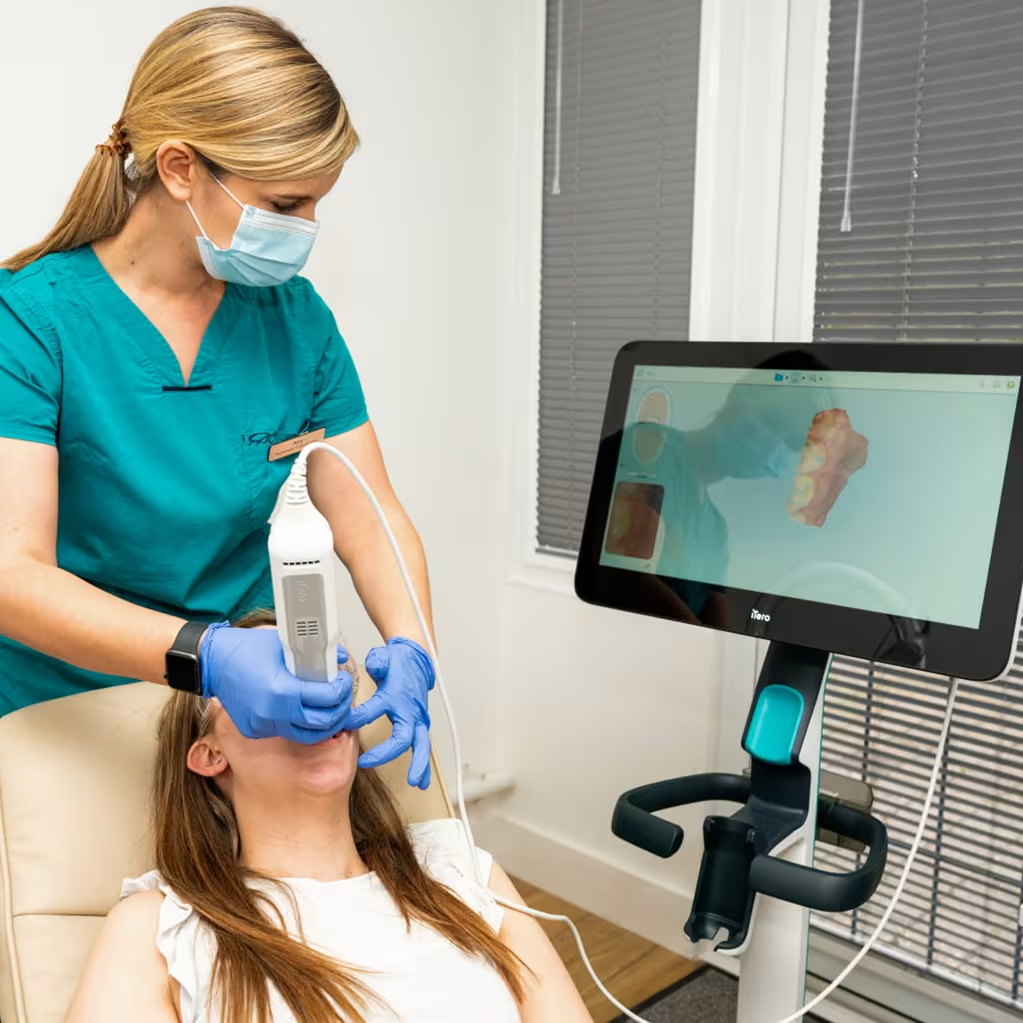
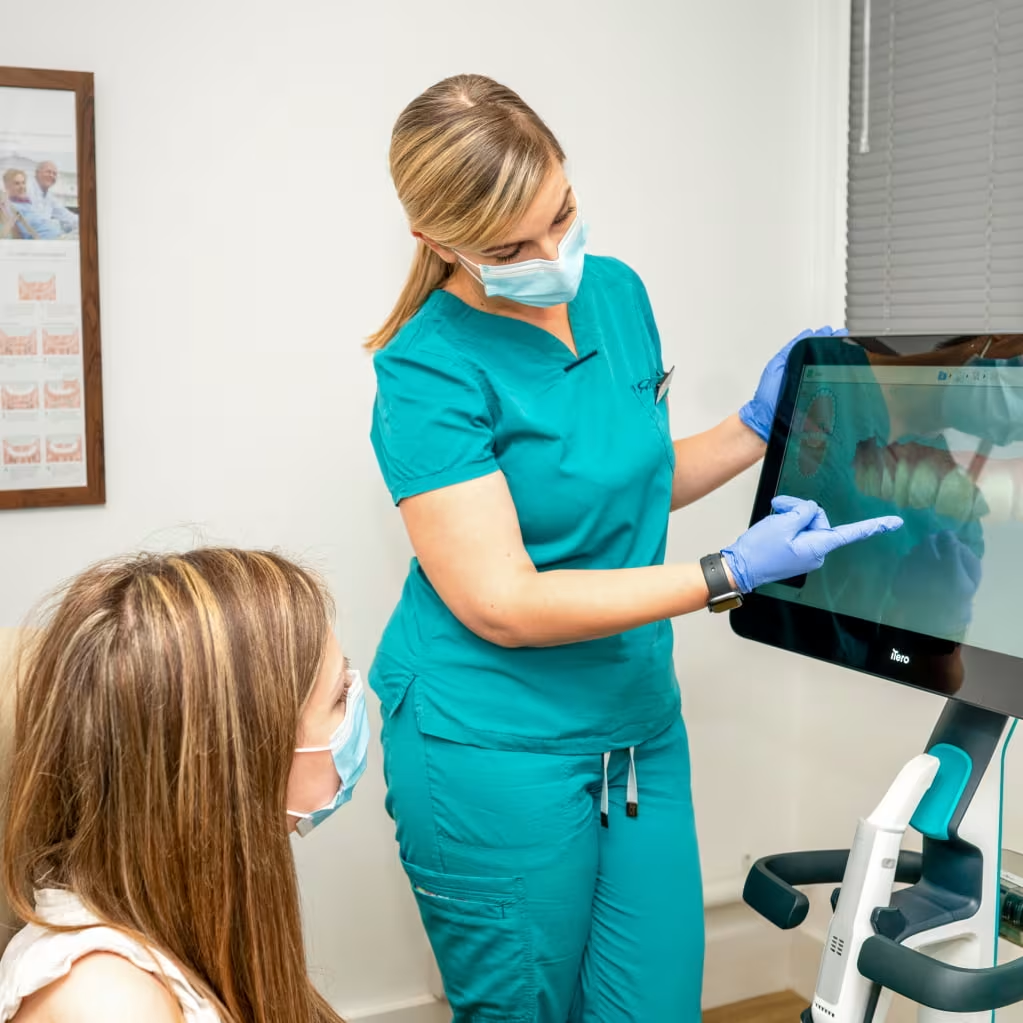
Treatment with Invisalign typically requires fewer visits, as Dental Monitoring is used to supply information that would previously be gained at shorter, review appointments. Patients scan their teeth weekly using the Dental Monitoring system, with the images supplied then reviewed alongside the Invisalign treatment plan to ensure everything is tracking well.
Digital planning through 3D imaging allows patients to preview their expected results before treatment begins – a feature not readily available with traditional braces.
Considerations for Invisalign
For Invisalign to be effective, patient compliance is essential. The aligners must be worn for 20-22 hours daily, requiring discipline. Some complex orthodontic cases may still be better suited to traditional braces, though Invisalign technology continues to advance its capabilities.
When choosing between fixed braces and Invisalign, several factors deserve consideration:
Lifestyle and Aesthetic Concerns: If appearance during treatment is a priority, Invisalign offers a clear advantage.
Complexity of Orthodontic Issues: While Invisalign can now address many conditions previously reserved for traditional braces, extremely complex cases may still benefit from fixed appliances.
Discipline and Compliance: Invisalign requires commitment to wearing the aligners consistently, while fixed braces eliminate this concern.
Budget Considerations: Though costs vary based on individual treatment needs, traditional braces sometimes offer a more economical option for certain patients.
Both fixed braces and Invisalign can deliver excellent results when properly prescribed and managed. However, for many patients—particularly adults and teens concerned about appearance during treatment—Invisalign offers compelling advantages in comfort, convenience, and aesthetics without compromising effectiveness.
With its discreet appearance, minimal impact on daily life, and excellent outcomes, Invisalign has revolutionised orthodontic treatment. The technology continues to advance, making it suitable for an ever-widening range of orthodontic issues.
We hope this has helped to answer the question of which orthodontic treatment is right for you, but a consultation with a qualified orthodontic provider remains the best way to determine which option will best address your specific needs and lifestyle considerations.
Next Steps
Ready to explore your orthodontic options? Book a consultation with our experienced team today to explore Invisalign, and determine if it is the right option for you!
Back to Blog