Invisalign refinements are one of the least talked-about parts of treatment, and one of the most likely to catch patients off guard. You reach your final aligner, look in the mirror, and your clinician advises more are needed. Many people hear that as bad news. It isn’t. Invisalign refinements are a normal, planned part of clear aligner treatment, and understanding why they happen makes the whole process far less worrying.
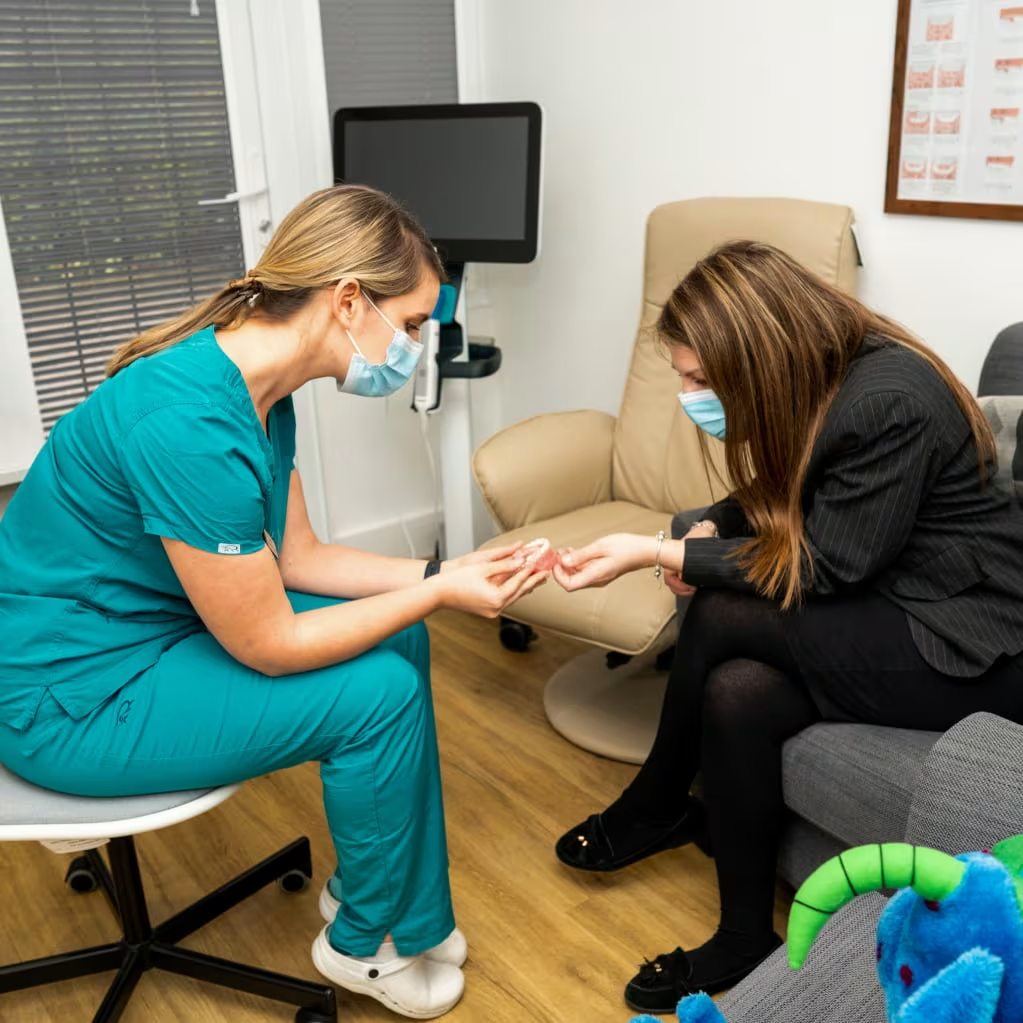
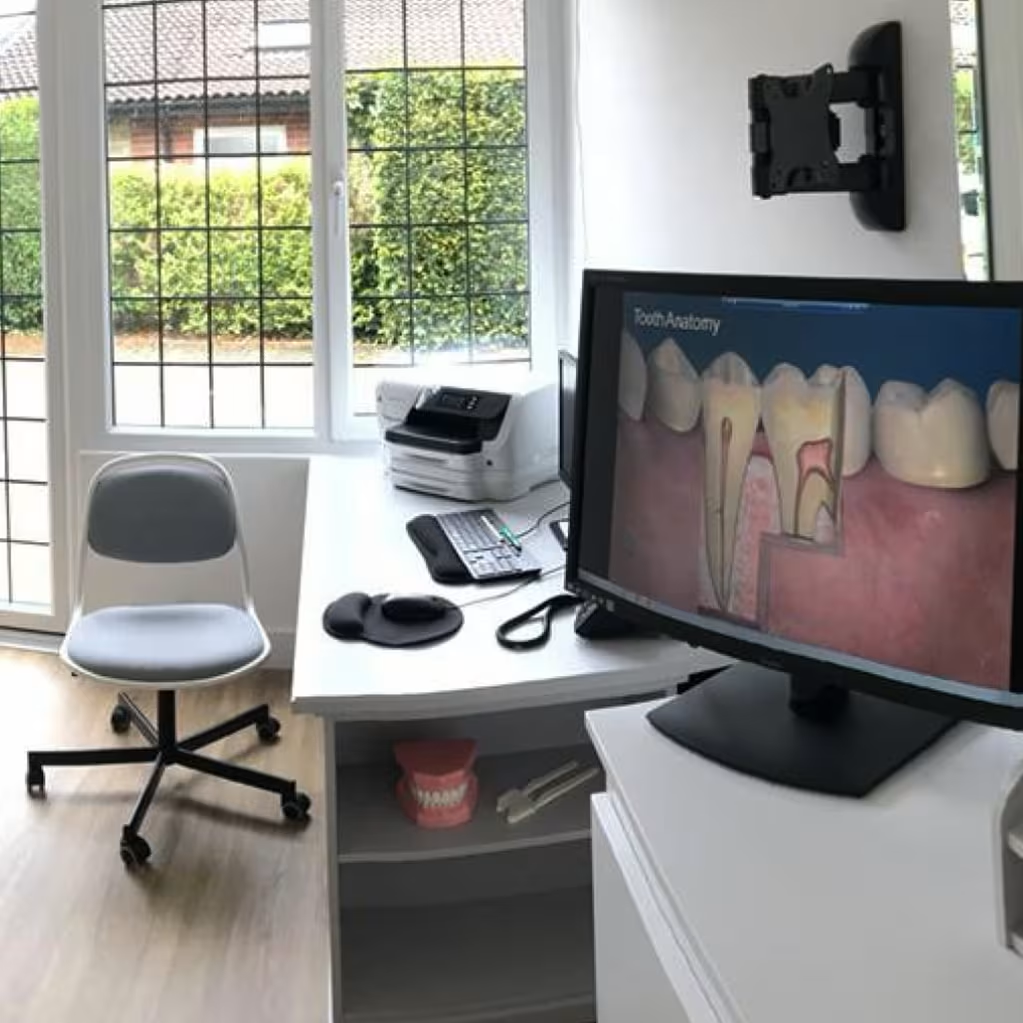
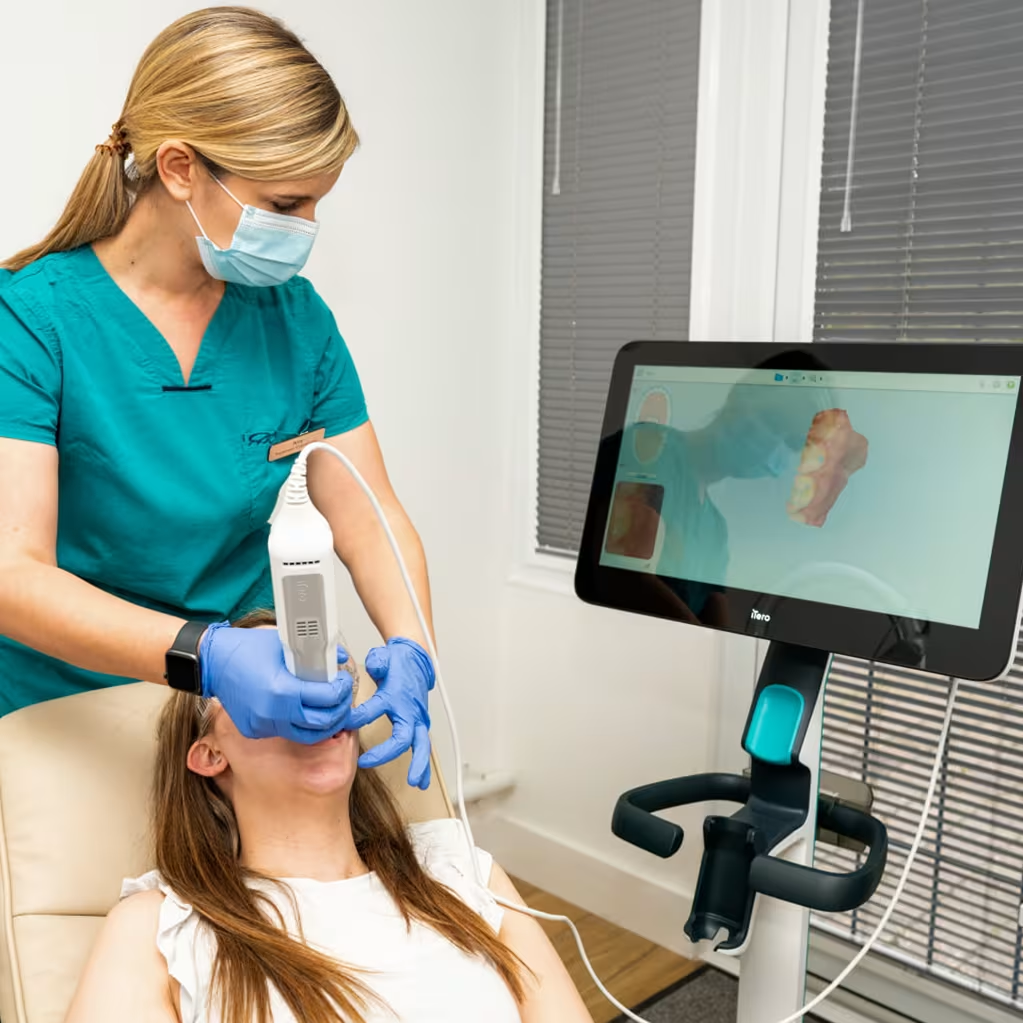
Invisalign refinements are an extra set of aligners designed to fine-tune the position of your teeth. We take a fresh iTero scan, compare where your teeth have actually got to with the original plan, and design new aligners to continue treatment. Think of them as normal progression rather than a restart. Sometimes refinements are needed part-way through treatment, and sometimes at the end. Because they are made from a new scan, they fit the position your teeth are in now, not where they were months ago.
Digital planning shows precisely where each tooth should end up, but teeth are living structures and respond differently from person to person. Some movements, such as rotating a rounded tooth or moving a tooth up or down, are harder to achieve than simple shifting. A small difference between the plan and the real result is common and expected, which is why a review at the end of the first series is built into treatment. This is why Invisalign refinements are routine rather than a sign that anything has gone wrong.
Aligners only work while they are in your mouth, so wearing them for 20 to 22 hours a day gives the plan its best chance. If wear slips, teeth can lag behind, and that is one reason Invisalign refinements may be needed. Our article on not wearing Invisalign explains what happens when wear time falls short. There is no blame attached to this. Virtual Monitoring allows Victoria see how your teeth are tracking between appointments, so any drift is picked up early.
We include refinement stages as part of our Invisalign treatment, so needing them does not mean an unexpected bill. It is worth asking any provider whether refinements are included before you start, because not every practice includes them. Our article on the hidden costs of Invisalign explains what else to ask.
Separate procedures such as bonding are different from Invisalign refinements and may carry additional fees. We will always explain this at the outset, so you know exactly what your plan includes.
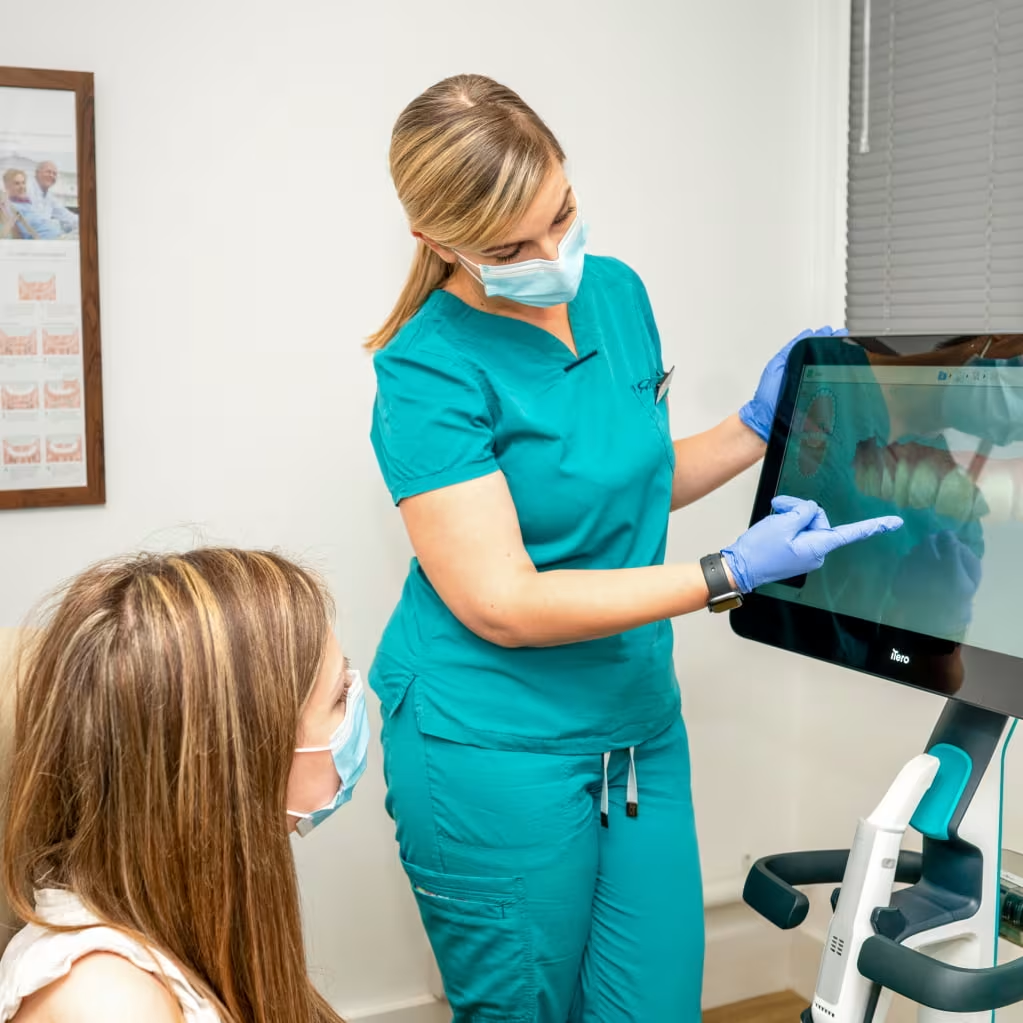
The process is simple. We scan your teeth, plan the next stage, and order a new series of aligners. You then wear them in the same way as before, changing on the schedule Victoria gives you. Expect the same pressure or tightness for a day or two after each change, as described in our article on whether Invisalign hurts.
Attachments may be adjusted or added to help the new aligners grip, and our article on Invisalign attachments explains what they are. How long refinements take depends on the case, and Victoria will give you an honest estimate rather than a promise.
Careful planning with Digital Smile Design helps us predict tooth movement as accurately as possible, and it is one reason we take the planning stage so seriously. Even so, be wary of anyone who says refinements are never needed. Fine-tuning is part of orthodontic treatment of any kind. The same principle applies to clear aligner treatment with ClearCorrect, and Victoria chooses the system on clinical grounds. Good planning can reduce the need for Invisalign refinements, but honest providers will tell you it can never be removed entirely.
No. Needing a refinement does not mean your treatment has failed or that you have done anything wrong. It means we have checked the result carefully and want to get it as close to the plan as possible. Patients who are offered a refinement are usually very close to the finish line, and the extra stage is often what turns a good result into a great one.
Once your teeth are in the planned position, the next step is retention. Retainers keep the result in place, and our article on Invisalign retainers explains the options. Skipping this stage is one of the most common reasons teeth move afterwards.
If you are wondering whether Invisalign refinements might apply to your own treatment, or you are thinking about starting, our free Treatment Coordinator consultation is a good place to begin. It is a relaxed conversation with no obligation, and you can ask us anything. The British Orthodontic Society also has patient information on aligner treatment.
Back to blog