Tooth wear is one of those dental conditions that develops slowly and silently – often over years or even decades – before patients notice something has changed. The teeth look shorter than they used to. The biting edges feel sharp or chipped. Sensitivity has crept in. The smile looks different somehow, though it’s hard to say exactly when it started.
By the time these changes become visible, a significant amount of tooth structure has usually already been lost. Understanding what causes tooth wear, how to recognise it, and what can be done about it is essential – both for patients who are already experiencing it and for those who want to protect themselves before it starts.
Tooth wear is the progressive loss of tooth surface that isn’t caused by decay or trauma. It happens when the hard outer layers of the tooth – enamel and, once that’s gone, the softer dentine beneath it – are gradually worn or dissolved away through repeated exposure to physical or chemical forces.
Unlike decay, tooth wear doesn’t involve bacteria in the same way. It’s a mechanical or chemical process – and it’s irreversible. Enamel and dentine don’t regenerate once they’re lost. This is why understanding the causes of tooth wear and intervening early is so important: prevention and slowing the process are always more straightforward than restoring what’s already gone.
Tooth wear is typically classified into three types – erosion (caused by acid), attrition (caused by tooth-to-tooth contact), and abrasion (caused by external friction) – though in practice these often occur simultaneously and reinforce each other.
Dietary acid is one of the most significant and most underappreciated causes of tooth wear in modern dentistry. Acidic food and drink – citrus fruits, fizzy drinks including sparkling water, fruit juices, wine, vinegar-based foods, and sports drinks – soften the enamel surface every time they come into contact with it. With repeated exposure, that softening becomes progressive surface loss.
What makes this form of tooth wear particularly insidious is the frequency effect. A glass of orange juice at breakfast isn’t the problem – it’s the person who sips fruit juice, sparkling water, or fizzy drinks throughout the day, exposing their enamel to repeated acid attacks with no recovery time between them. The pattern of consumption matters as much as the substance itself.
Hot drinks with added lemon, herbal teas, and even so-called healthy smoothies can contribute to acid-related tooth wear when consumed frequently. The acidity of a food or drink doesn’t always correlate with how it tastes – many things that seem neutral or healthy are surprisingly acidic.
Bruxism – the habit of grinding or clenching the teeth, most commonly during sleep – is one of the most common causes of tooth wear, and one of the most commonly undiagnosed. Many patients are entirely unaware they grind their teeth until the evidence becomes visible in the dentition or a partner notices the sound at night.
The forces involved in grinding are significantly greater than those produced during normal chewing, and they’re applied in lateral movements that wear down the biting surfaces of teeth in ways that normal function doesn’t. Over years of unmanaged bruxism, the biting edges of the front teeth can shorten dramatically, the molar cusps can flatten, and the vertical dimension of the bite can reduce – changing the appearance of the lower face as well as the teeth.
This form of tooth wear is often accompanied by other signs – jaw muscle tenderness or fatigue, headaches on waking, sensitivity, and occasionally clicking or discomfort in the jaw joint. If you recognise any of these alongside visible changes to your teeth, it’s worth raising them at your next appointment.
At The Briars, bruxism-related tooth wear is assessed as part of routine clinical examinations, and a custom-made occlusal splint can be provided to protect the teeth from further grinding damage. The splint doesn’t stop the grinding itself, but it distributes the forces across the appliance rather than the tooth surfaces – preventing further loss while the underlying cause is managed.
Gastric acid is considerably more corrosive than dietary acid, and patients who experience frequent acid reflux – or who have conditions such as GERD or bulimia – are at significantly elevated risk of tooth wear as a result of intrinsic acid erosion.
The pattern of tooth wear caused by intrinsic acid is distinctive and tends to affect the palatal surfaces of the upper front teeth in particular – the surfaces facing the inside of the mouth, rather than the outer visible surfaces. This is one of the clinical signs that prompts a dentist to ask about reflux or gastrointestinal symptoms, because the pattern of wear suggests an internal acid source rather than a dietary one.
If tooth wear in this pattern is identified, addressing the underlying medical condition – in discussion with the patient’s GP – is the most important step. Dental management of the resulting wear can address the damage, but without managing the acid source it will continue.
Abrasion from overzealous tooth brushing – particularly with a hard-bristled toothbrush and excessive pressure – is a common and entirely preventable cause of tooth wear. The damage tends to be most visible at the gum margins, where the enamel is at its thinnest, creating notched or concave lesions at the necks of the teeth.
Many patients assume that brushing harder means cleaning more effectively. The opposite is often true – excessive pressure damages the enamel and the gum tissue without removing any more plaque than gentle, thorough technique with a soft brush would achieve. An electric toothbrush with a pressure sensor is one of the most practical investments a patient prone to aggressive brushing can make.
The combination of dietary acid erosion and abrasive brushing is particularly damaging – acid softens the enamel surface, and if the teeth are brushed immediately afterwards, that softened enamel is more easily worn away. Waiting at least 30 minutes after consuming acidic food or drink before brushing is a simple but effective habit change.
Saliva plays a crucial and often underestimated role in protecting the teeth against tooth wear. It neutralises acids in the mouth, washes away food debris, remineralises softened enamel, and provides a protective film over the tooth surfaces. When saliva flow is reduced – a condition known as xerostomia or dry mouth – this protective function is compromised and the teeth become significantly more vulnerable.
Dry mouth is a common side effect of a wide range of medications – including many antidepressants, antihistamines, blood pressure medications, and diuretics. It can also be associated with certain systemic conditions, cancer treatment, and simply with ageing. Patients who breathe through their mouth at night are also prone to the drying effect on the teeth.
If you’re taking medication that causes dry mouth and you’ve noticed increased sensitivity or changes to your teeth, it’s worth mentioning to your dentist. There are products – including prescription-strength fluoride toothpastes and saliva substitutes – that can help compensate for reduced saliva flow and reduce the risk of further tooth wear.
Treatment for tooth wear depends on the severity of the loss, the underlying cause, and what the patient’s priorities are. The first and most important step is always identifying and addressing the cause – because restoring worn teeth without managing the driver of the wear is unlikely to produce a lasting result.
For mild to moderate tooth wear where the underlying cause has been addressed, monitoring and preventive care – fluoride treatments, dietary advice, a splint for bruxism – may be all that’s needed. For more significant wear where tooth structure, appearance, or function has been affected, restorative treatment becomes appropriate.
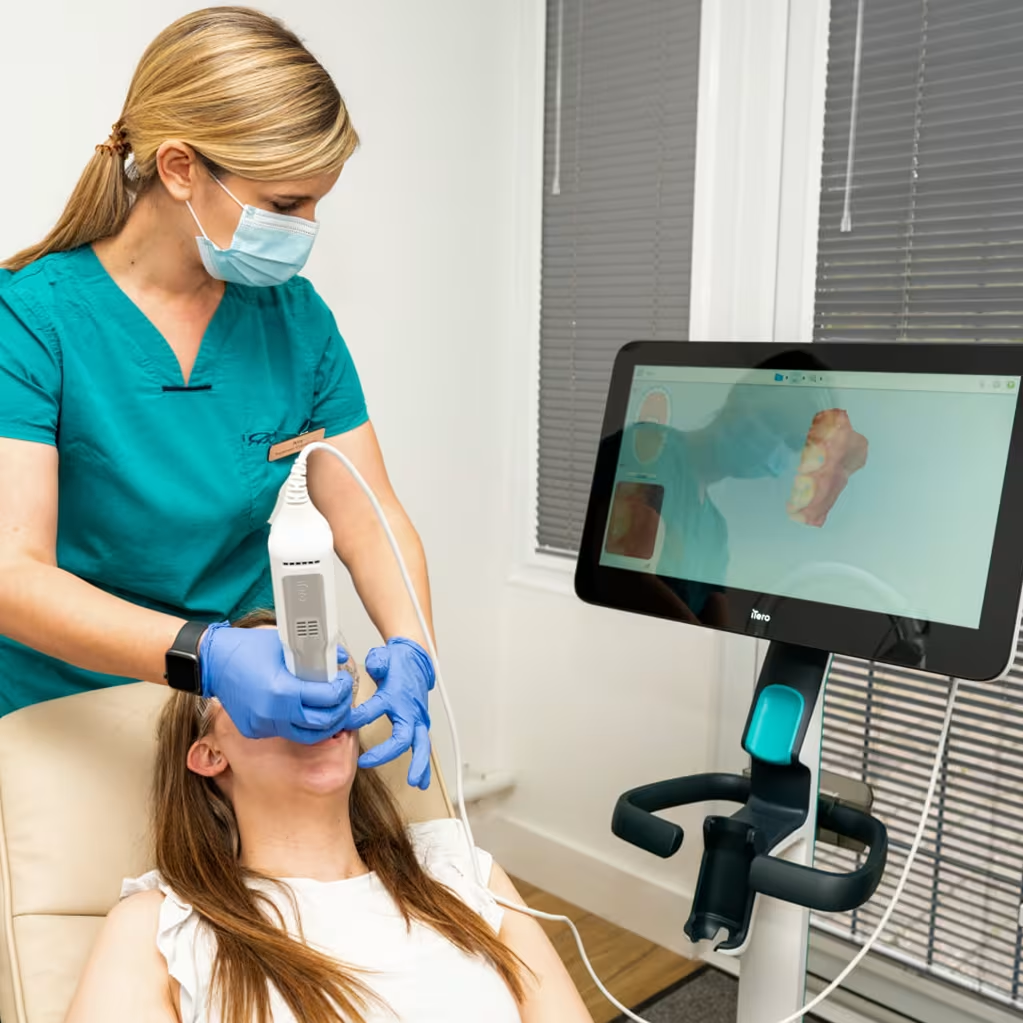
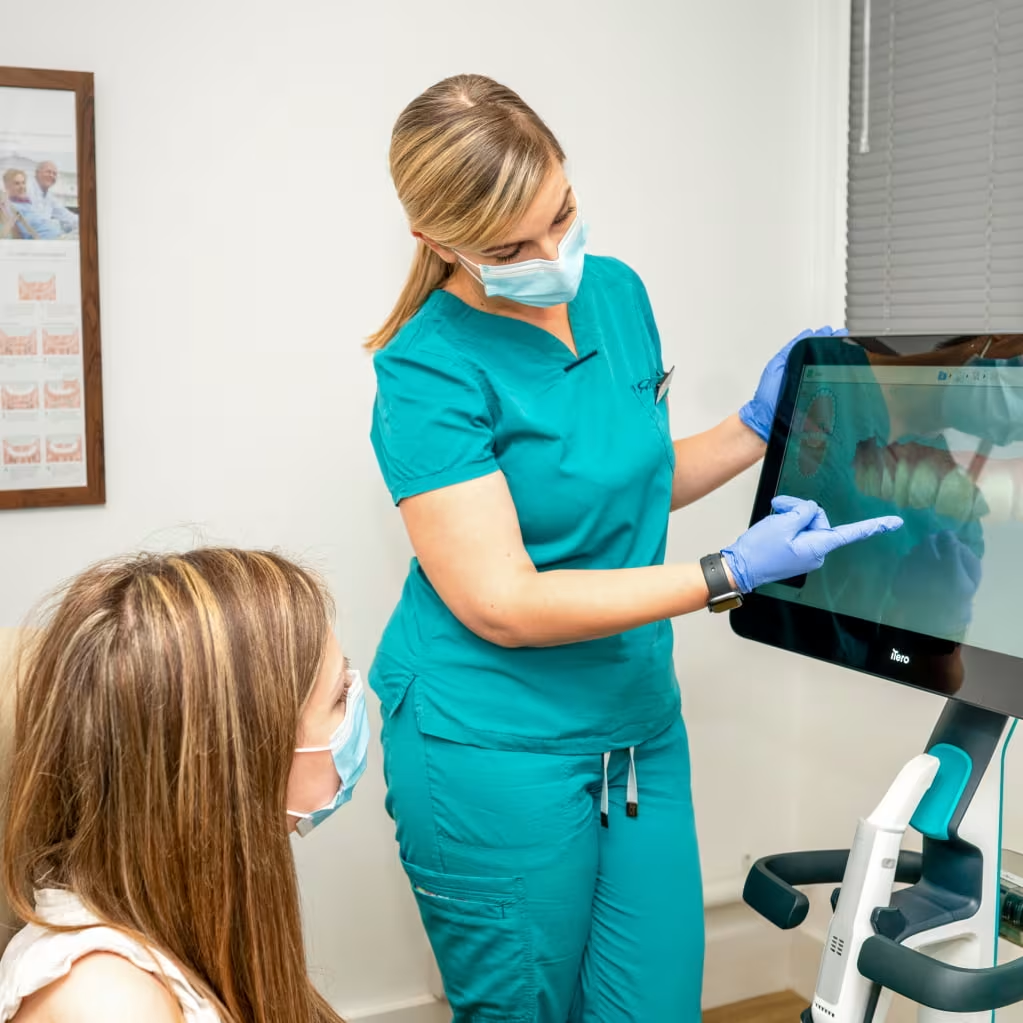
At The Briars, tooth wear cases are assessed using iTero scanning, which allows precise monitoring of the tooth surfaces over time and can detect progressive changes that aren’t visible to the naked eye. This means wear can be caught early and managed conservatively, rather than waiting until the damage is severe enough to require extensive restoration.
The Oral Health Foundation has patient information on tooth wear and its causes, which is worth reading alongside any clinical advice you receive.
Tooth wear progresses slowly enough that by the time it’s obvious, significant damage has usually already occurred. If you’ve noticed any changes to the appearance or sensitivity of your teeth, or if you’ve been told you grind your teeth, now is a good time to book an assessment.
At The Briars, tooth wear is something we monitor carefully at every routine appointment. Get in touch to book a check-up – and if you haven’t been for a while, our new patient examination is the right starting point.
Back to blog