Referred pain is one of the more puzzling things we see. A patient arrives convinced a particular tooth is the problem, yet when we look, the real source is somewhere else entirely: a neighbouring tooth, the jaw joint, the sinuses, or occasionally something outside the mouth altogether. Understanding referred pain can save you a lot of worry and stop the wrong thing being treated. Here are five facts worth knowing.
Referred pain is pain felt in one place that is actually coming from another. The nerves of the face and jaw share pathways to the brain, so it can struggle to pinpoint exactly where a signal started. That is why toothache can be felt in the ear, the temple or the opposite side of the jaw, and why a problem tooth can feel as though it is a different one.
A common form of referred pain is a lower tooth causing an ache that is felt in an upper tooth, or the other way round, or pain that spreads across one side of the face rather than sitting in a single tooth. This is why we do not rely on where you point. We use X-rays, temperature tests and bite tests to find the real culprit, and our article on why dentists need X-rays explains why they matter.
A tooth with an inflamed or infected nerve is a frequent source. Pain that lingers after hot or cold drinks, or wakes you at night, needs assessment, and our endodontist, Richard Condon, assesses and treats these cases.
Clenching and grinding strain the jaw muscles, and muscle pain can feel remarkably like toothache, particularly in the upper back teeth. It may also spread to the ear, the temple or the side of the head. Referred pain from the jaw muscles and joint is one of the most common reasons for toothache when the teeth themselves are healthy. Our articles on jaw clicking, tooth wear and mouth guards cover this area in more detail.
The roots of the upper back teeth sit close to the sinuses, so sinus inflammation can cause a dull ache in several upper teeth at once, often with a blocked nose or pressure behind the cheeks. It is typically worse when you bend forward. This kind of ache usually settles as the cold or infection clears. If your teeth check out as healthy, we will suggest you see your GP.
Not all pain felt in the mouth and jaw starts in the teeth, and a few causes matter more than most. A mouth ulcer that has not healed within three weeks, or earache with no sign of ear infection, should be checked promptly, and our article on the signs of oral cancer explains what to look for. Sudden, sharp, electric-shock facial pain should be discussed with your GP.
Some clues suggest the problem is not where it feels. You cannot say which tooth hurts, or the pain seems to move around. Several teeth ache at once. The pain changes with jaw movement, head position or stress. The teeth look healthy on examination and X-rays. None of these is proof on its own, but they are good reasons to look beyond a single tooth rather than rushing into treatment.
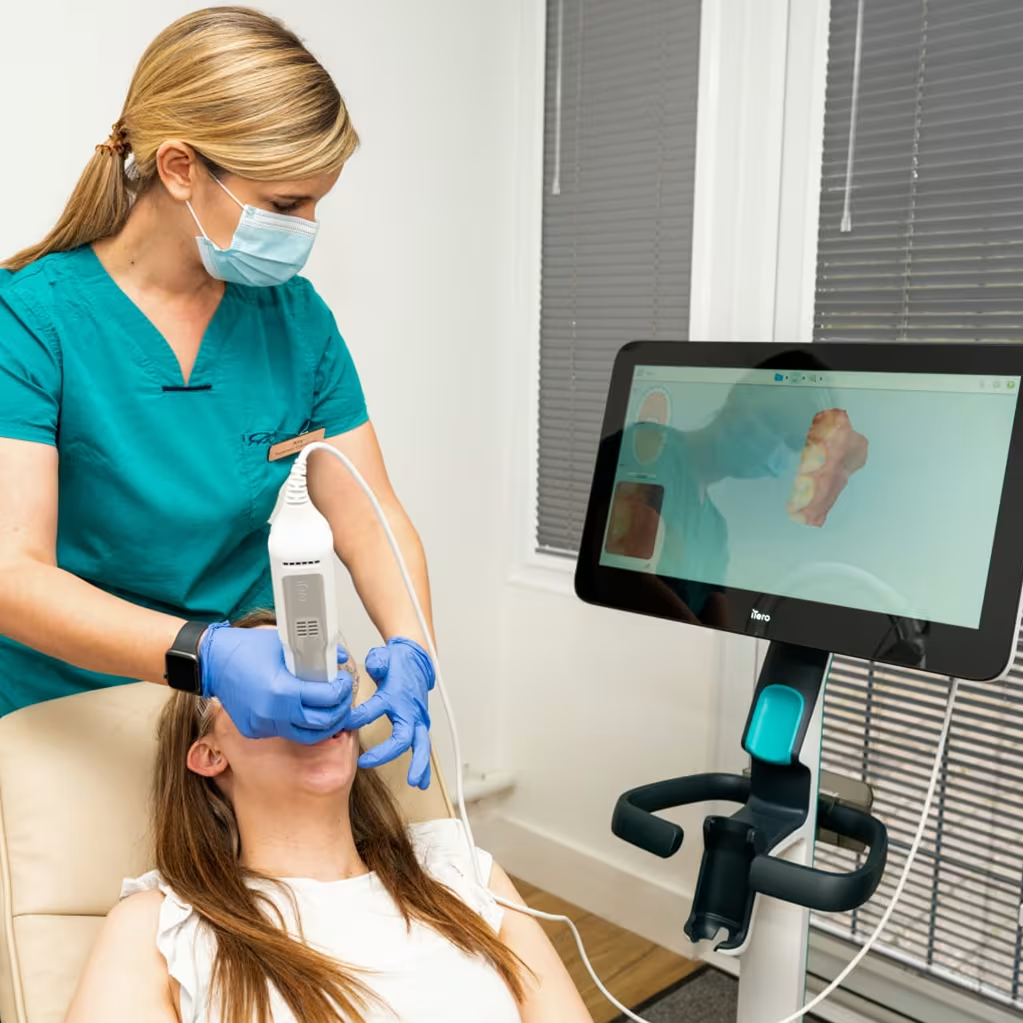
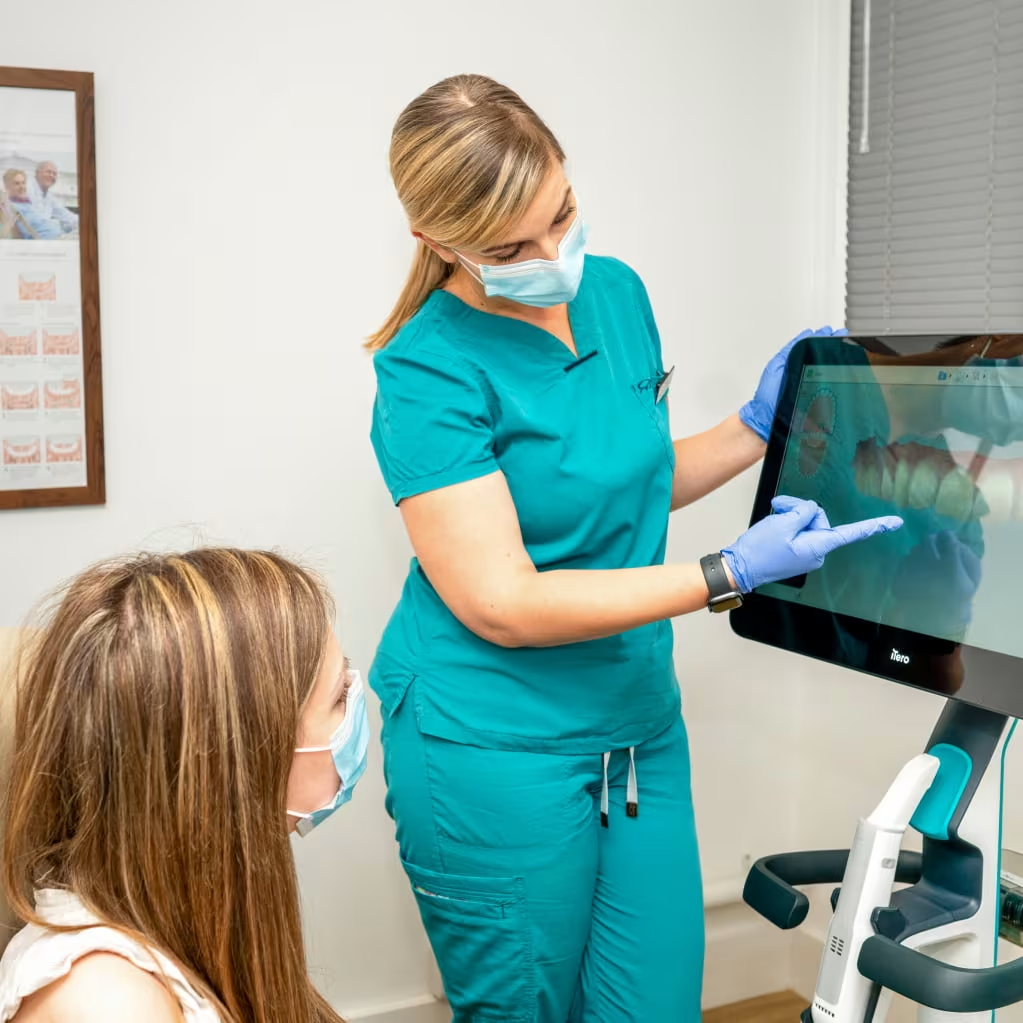
We start by listening. When did the pain begin, what sets it off, how long does it last, and does it keep you awake? We then examine your teeth, gums, jaw joints and muscles, check your bite and take X-rays, using CBCT when we need a three-dimensional view.
We will not treat a tooth until we are confident it is the cause. That careful approach is the best way to deal with referred pain, and if the source is not a tooth, we will tell you and point you towards the right person.
Do not sit on toothache that is severe, keeps returning or comes with swelling or fever. Our article on dental emergencies explains what needs urgent attention. If you are struggling with a toothache that does not add up, or you suspect referred pain, get in touch with our team at The Briars and we will help you get to the bottom of it. The NHS has guidance on toothache, and the Oral Health Foundation has more here.
Back to blog