If you’ve been treated for gum disease, you’ll know that the active phase of treatment – the deep cleaning, the root surface debridement, perhaps laser therapy or specialist input – takes real commitment. What’s less well understood is what happens after that treatment ends. Because with gum disease, the end of active treatment isn’t the end of the story. Periodontal maintenance is what comes next, and it matters just as much as everything that came before it.
This article explains what periodontal maintenance involves, why it never truly stops, and what the consequences of neglecting it can be.
Periodontal maintenance refers to the programme of ongoing professional care that follows active gum disease treatment. Its purpose is to keep the disease stable – to prevent it from reactivating, to monitor the health of the gum tissue and supporting bone over time, and to catch any early signs of recurrence before they develop into something more significant.
It is distinct from a standard hygiene appointment, although professional cleaning is a central part of it. Periodontal maintenance appointments are typically longer, more detailed, and more frequent than routine hygiene visits, and they involve a level of clinical assessment that goes beyond what a standard check-up and clean provides.
The British Society of Periodontology defines supportive periodontal therapy – the clinical term for periodontal maintenance – as an essential component of periodontal care, without which the gains made during active treatment are at risk of being lost. Their patient resources online are worth reading alongside any guidance your clinical team provides.
This is the question patients most commonly ask after completing their active treatment. The answer lies in the nature of gum disease itself.
Periodontitis is a chronic inflammatory condition. It is driven by the bacteria in dental biofilm – plaque – and by the body’s immune response to that bacteria. Active treatment reduces the bacterial load, removes deposits from beneath the gum line, and allows the tissue to heal and stabilise. But it doesn’t eliminate the underlying susceptibility. The bacteria that caused the problem in the first place will recolonise the teeth and roots over time if they’re not regularly and thoroughly removed.
This is why periodontal maintenance is ongoing rather than finite. The goal isn’t to cure gum disease – it’s to manage it so effectively that it causes no further damage to the supporting structures of the teeth.
The most fundamental reason periodontal maintenance matters is that without it, gum disease is highly likely to reactivate. Studies consistently show that patients who complete active periodontal treatment but don’t attend regular maintenance appointments experience significantly higher rates of disease recurrence and tooth loss than those who do.
This isn’t a reflection of the quality of their original treatment – it’s simply biology. The bacteria return, biofilm accumulates in the pockets around the teeth, and without professional intervention to remove it, the inflammatory process restarts. Regular periodontal maintenance interrupts this cycle before it can take hold.
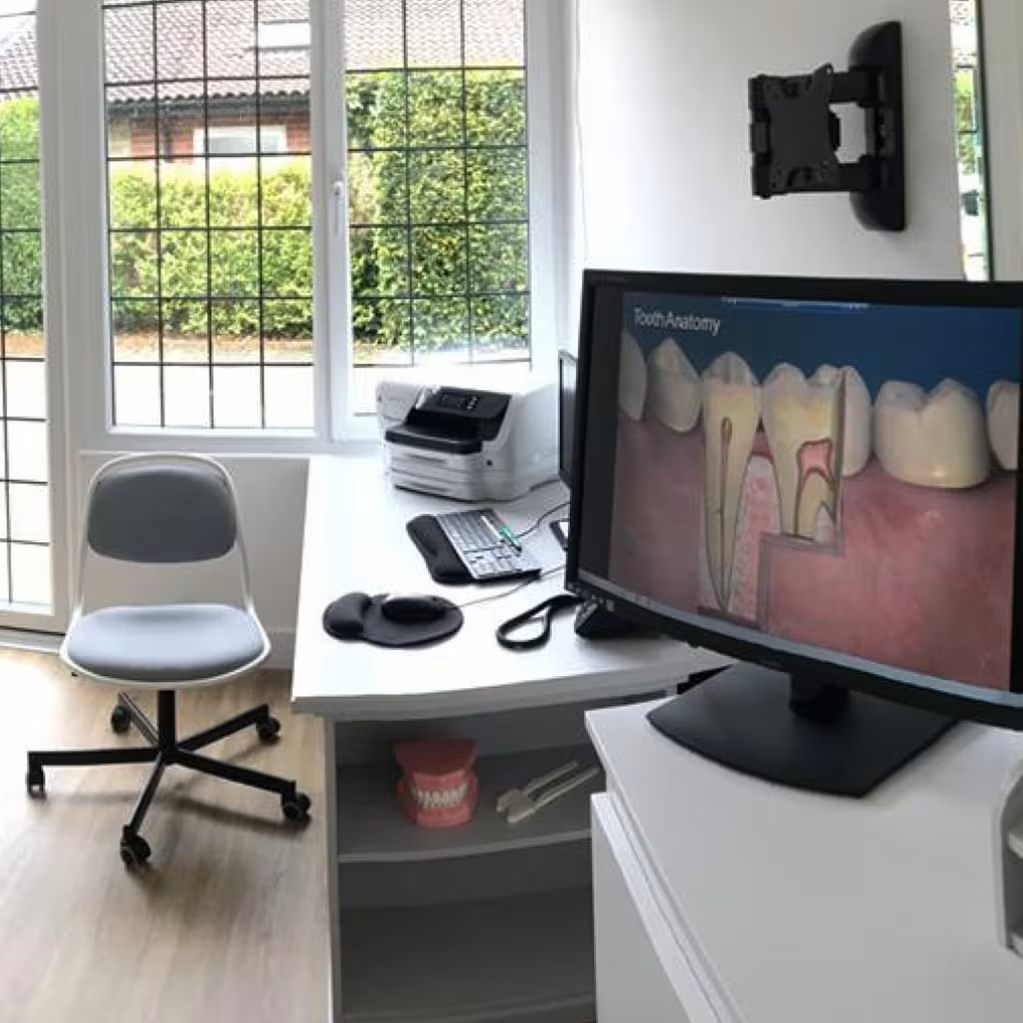
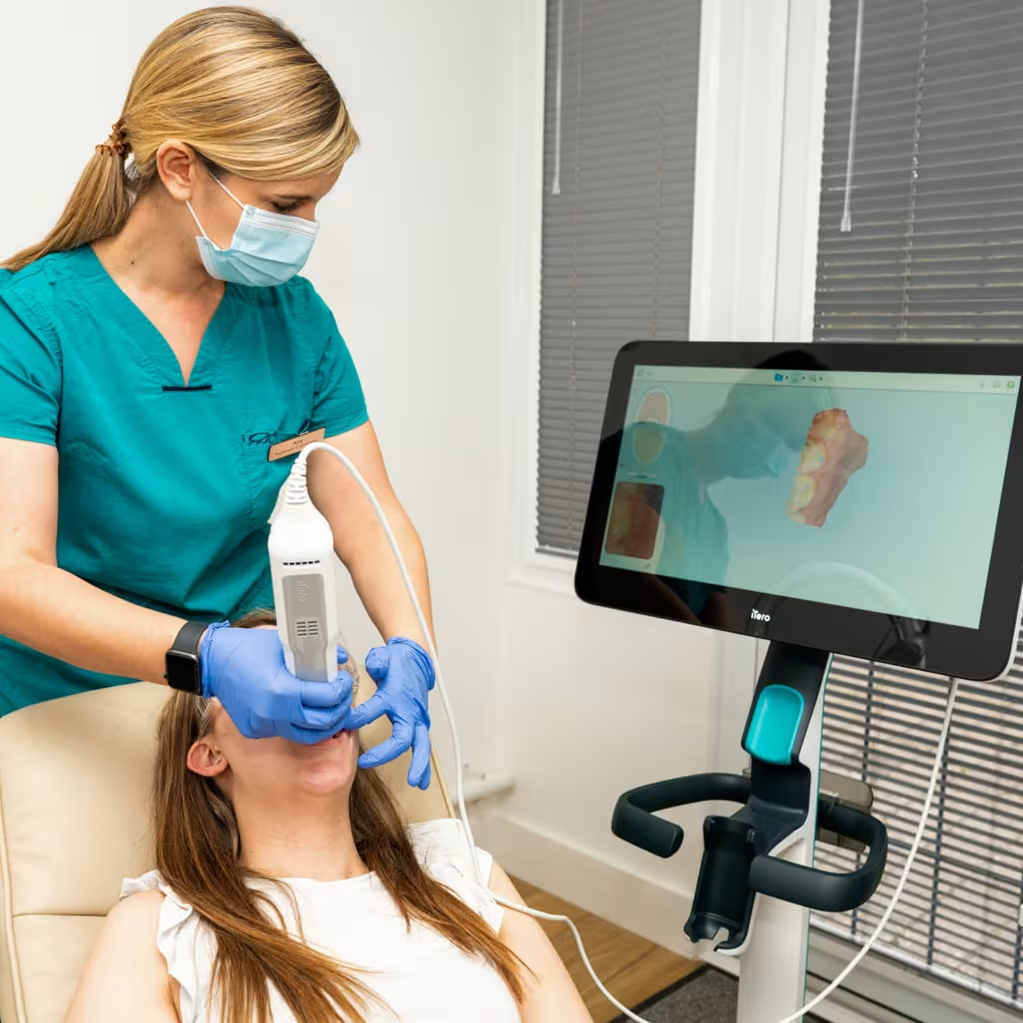
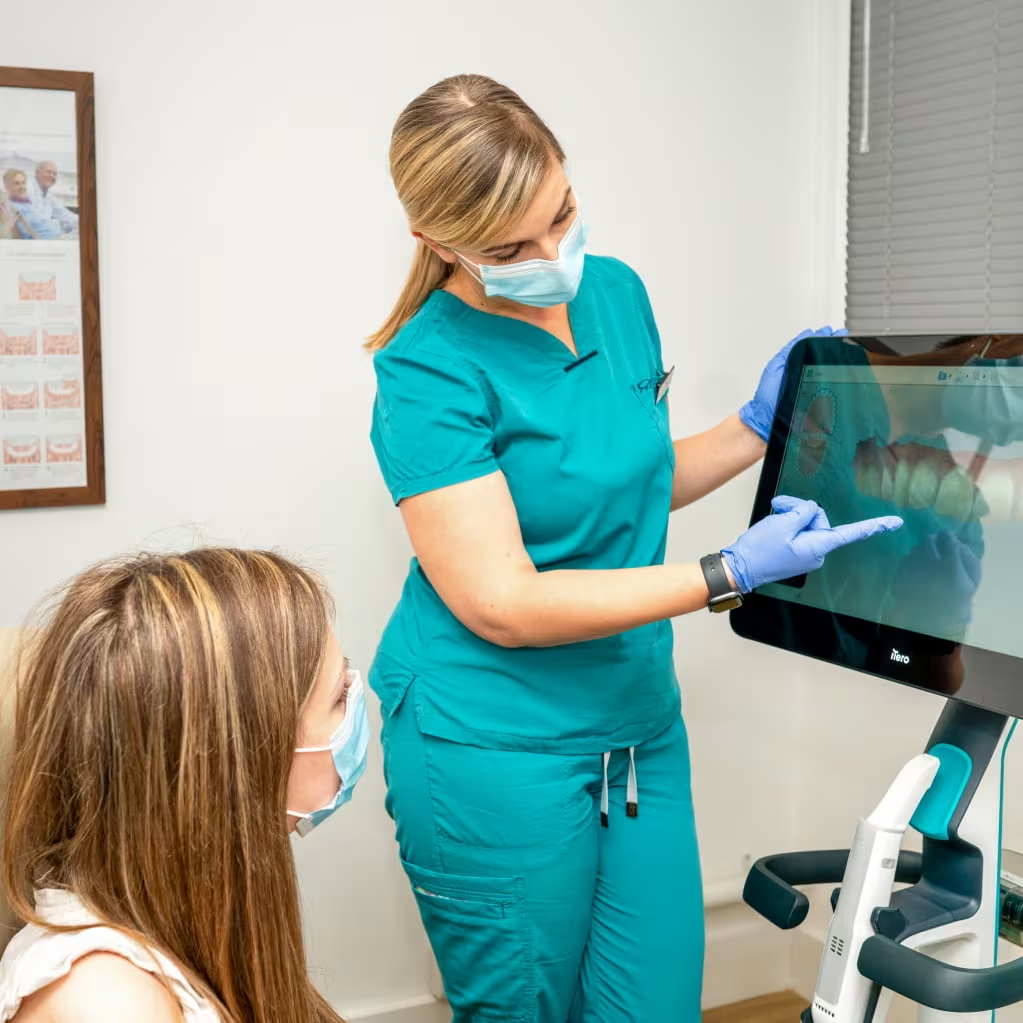
Periodontal maintenance appointments aren’t just about cleaning – they’re about monitoring. At each visit, pocket depths are recorded and compared to previous measurements, allowing your clinical team to identify any sites that are deepening or showing signs of reactivation. Gum tissue is assessed for signs of inflammation. Bone levels may be compared to previous radiographs over time.
This ongoing surveillance is what makes periodontal maintenance genuinely protective rather than merely supportive. Problems caught early – a single site with increased pocket depth, for example – can be managed with targeted treatment at that appointment. Problems left undetected for a year or more can result in significant bone loss that is far more complex to address.
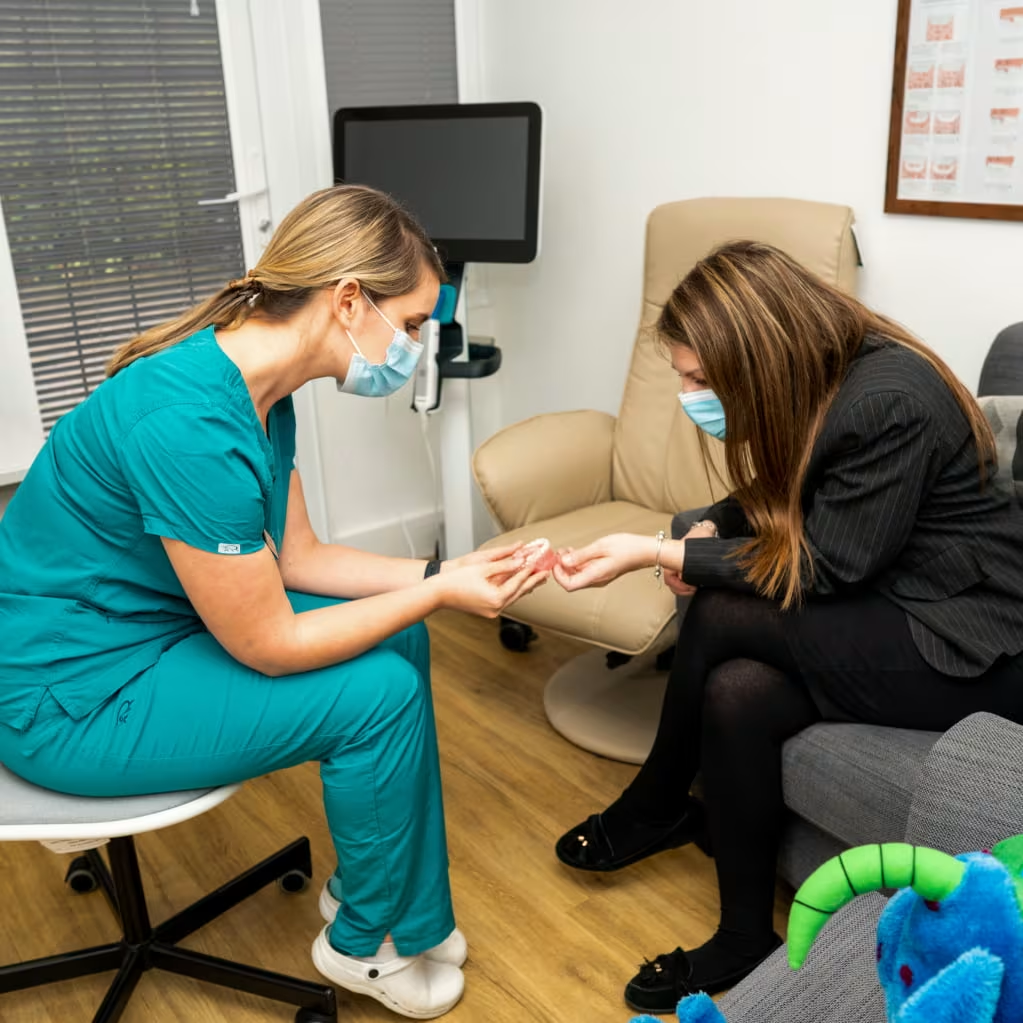
At The Briars, Sharmila Khopade, our specialist periodontist, designs and oversees the periodontal maintenance programme for patients who have been under her care. The frequency and content of each appointment is tailored to the individual – because no two patients have the same risk profile, and no single maintenance schedule suits everyone.
Even the most diligent home care routine – thorough brushing, consistent interdental cleaning, excellent technique – cannot remove everything that accumulates around the teeth and beneath the gum line over time. Calculus, or tartar, forms when plaque mineralises, and once it has hardened it can only be removed with professional instruments. In periodontal patients, calculus can form on root surfaces deep within pockets – areas entirely beyond the reach of any toothbrush or interdental tool.
Professional periodontal maintenance removes these deposits thoroughly and comfortably. At The Briars, our hygienists deliver Guided Biofilm Therapy as standard at hygiene appointments, using airflow technology and ultrasonic instruments to remove biofilm and deposits from even the most difficult-to-reach areas. For periodontal maintenance patients in particular, this level of professional cleaning is the essential complement to everything they’re doing at home.
The irreversible nature of periodontal bone loss makes prevention the only truly effective strategy. Once bone is lost around a tooth, it does not regrow spontaneously. The tooth becomes less supported, more mobile over time, and ultimately at greater risk of being lost. Periodontal maintenance cannot reverse existing bone loss – but it can halt further progression and protect what remains.
For patients who have already experienced bone loss as a result of gum disease, this protective function is arguably the most important thing periodontal maintenance does. Keeping the disease stable means keeping the teeth.
Periodontal maintenance is particularly important for patients who have undergone – or are planning – other dental treatment. Dental implants, for example, are susceptible to a condition called peri-implantitis – an inflammatory process around the implant that behaves similarly to gum disease and can lead to bone loss and implant failure. Patients with a history of periodontitis are at higher risk of peri-implantitis, and regular professional maintenance is one of the most important things they can do to protect their implants long term.
Similarly, patients undergoing clear aligner treatment benefit from stable gum health throughout, and those who have had restorative treatment – crowns, bridges, or other restorations – find that their restorations last longer when the surrounding tissue is healthy and well maintained.
Not all periodontal maintenance programmes look the same. The frequency of appointments – whether every three months, four months, or six months – depends on your individual risk profile, the severity of your original disease, how well the condition has stabilised, and how effectively you’re able to maintain things at home.
At The Briars, your periodontal maintenance interval is set by your clinical team based on your specific situation, and it’s reviewed over time as your circumstances change. This personalised approach is what makes periodontal maintenance genuinely effective – it’s calibrated to you, not to a generic schedule.
If you’ve completed active periodontal treatment and are unsure about your ongoing maintenance needs, or if you’ve been away from regular care for a while and want to understand where things stand, get in touch with our team. Sharmila accepts both direct and referred patients, and our hygiene team is here to support your ongoing care at every stage.
Back to blog