Receding gums tend to arrive quietly. There is rarely any pain at first – just a tooth that looks a little longer than it used to, a new twinge with a cold drink, or a notch you can feel with your tongue. By the time most people notice, the gum has often been moving for years.
The question we hear most often is whether receding gums can grow back. The honest answer is that gum tissue does not regenerate by itself, but the recession can usually be stopped, and in suitable cases the position can be improved. Here are five facts worth knowing.
The gum edge has pulled back from the tooth and exposed the root. Roots are covered by a thin layer called cementum rather than enamel, which makes them more sensitive and more prone to decay and wear. Gum recession is very common in adults, and it often goes unnoticed until sensitivity appears.
Unlike a graze on your skin, gum tissue does not rebuild itself once it has moved. What you can do is treat the cause so the recession does not progress. Be wary of any toothpaste or mouthwash that promises to regrow your gums. None can.
Brushing firmly with a hard brush feels thorough, but it wears away the gum edge and can notch the teeth at the gum line. A soft brush, gentle pressure and an angle of about 45 degrees towards the gum is far kinder. An electric brush with a pressure sensor can help if you tend to press too hard. If you have just had something acidic, wait around 30 minutes before brushing. Our article on tooth wear explains why.
Gum disease is the other major driver. As the bone and tissue supporting the teeth are lost, the gum margin follows. Thin gums, crowded or prominent teeth, clenching, smoking and hormonal changes can all play a part too, which is why we touched on the link in our article on menopause and dental health. Because several causes often overlap, a proper assessment is far more useful than guessing. Our guide to gum disease and general health explains why it is worth taking seriously.
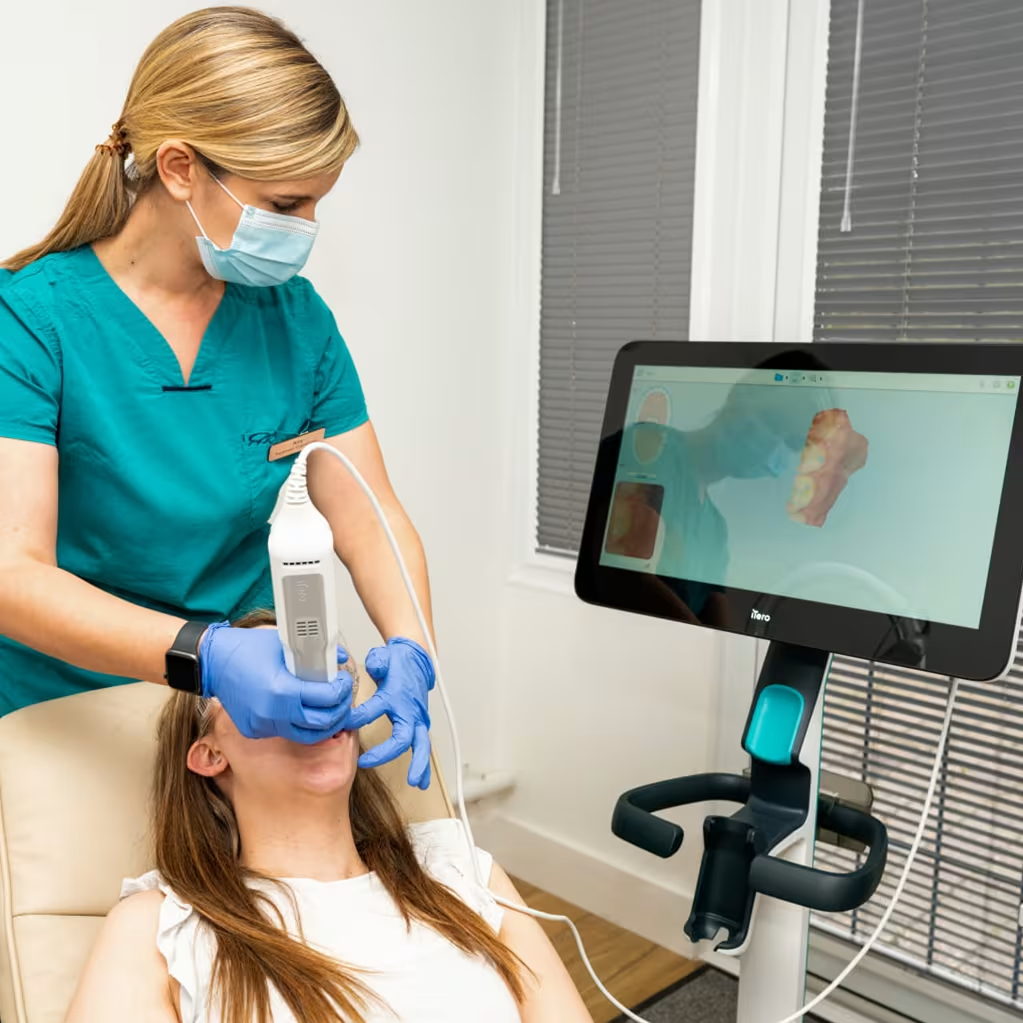
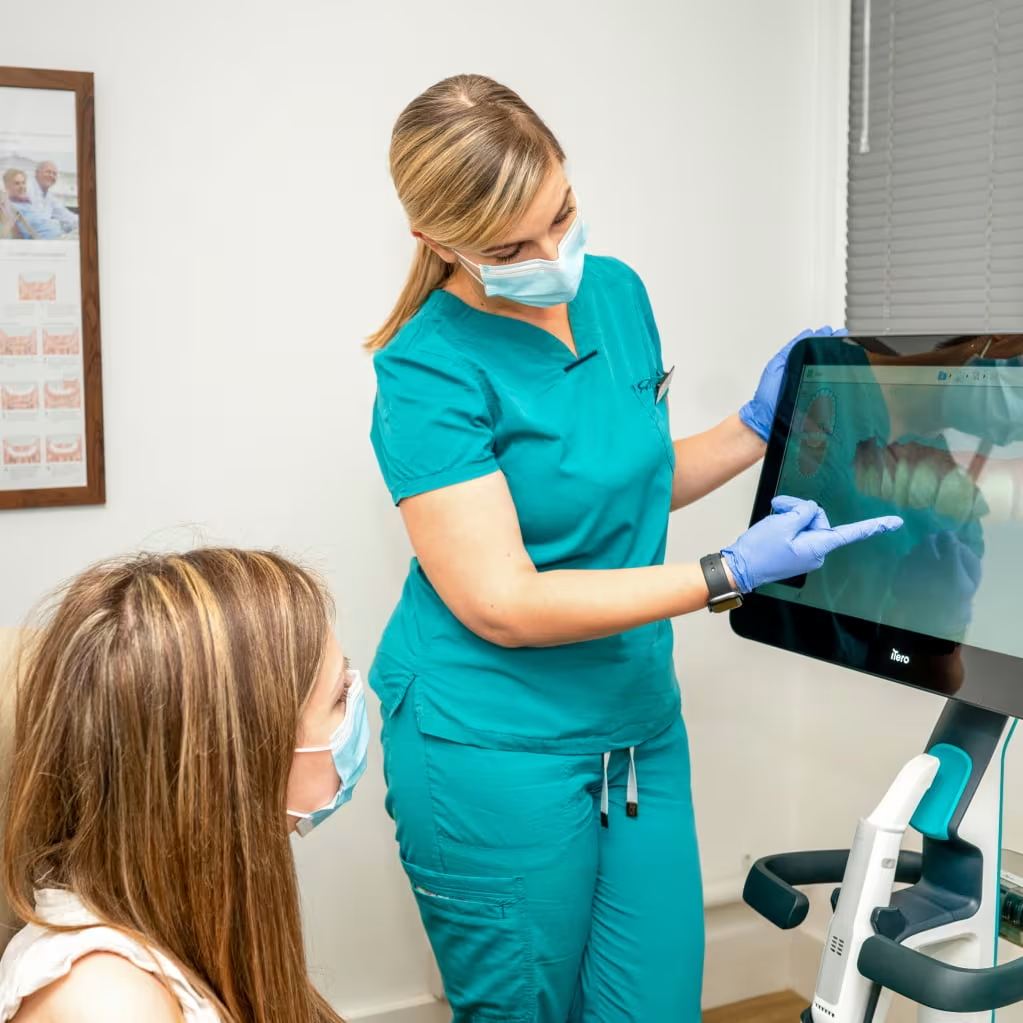
Not every case needs surgery. Mild recession that is stable can simply be monitored, and our iTero scans let us compare the gum position over time. Where recession is progressing, causing sensitivity or affecting appearance, a gum graft may be recommended. This involves taking a small amount of tissue, often from the palate, or repositioning nearby gum, to cover the exposed root.
How well a graft works depends on how much recession there is, the thickness of your gum, the bone beneath it and whether you smoke, so we explain realistic expectations rather than promising full coverage. At The Briars, Sharmila Khopade, our specialist periodontist, assesses and treats receding gums, including grafting where appropriate.
Professional cleaning matters as well. Our hygienists – Meryl Colley, Amiee Mosher and Monica Robotin – provide Guided Biofilm Therapy as standard, which removes biofilm gently from the gum margin without the abrasion that can aggravate sensitive areas.
Recession is progressive, so earlier assessment gives you more options. Signs to look out for include teeth that look longer, notches near the gum line, new sensitivity, and gums that bleed or look thin. If you are worried about receding gums, a hygiene appointment is a sensible first step, as pocket charting shows whether gum disease is involved. Our article on gingivitis and gum disease explains what those measurements mean.
If you would like a specialist opinion, a periodontal consultation with Sharmila is £222, and you can self-refer without needing a referral from another practice.
Receding gums are far easier to manage when they are caught early, and a calm conversation about what is happening is often all it takes to make a plan. If you have noticed any of the signs above, get in touch with our team at The Briars to arrange an assessment. We will tell you honestly what we see and what, if anything, needs doing.
The British Society of Periodontology has patient information on gum recession, and the Oral Health Foundation covers gum health.
Back to blog