Tooth sensitivity is one of the most common dental complaints in the UK – and one of the most commonly dismissed. Many people live with the sharp, short-lived pain that comes from eating something cold, breathing in cold air, or sipping a hot drink, and assume it’s just something to put up with. Sometimes it is minor and manageable. But tooth sensitivity can also be a sign of something that genuinely needs clinical attention, and knowing the difference is important.
This article covers the six most common causes of tooth sensitivity, what each one means for your dental health, and what can be done about it – both at home and professionally.
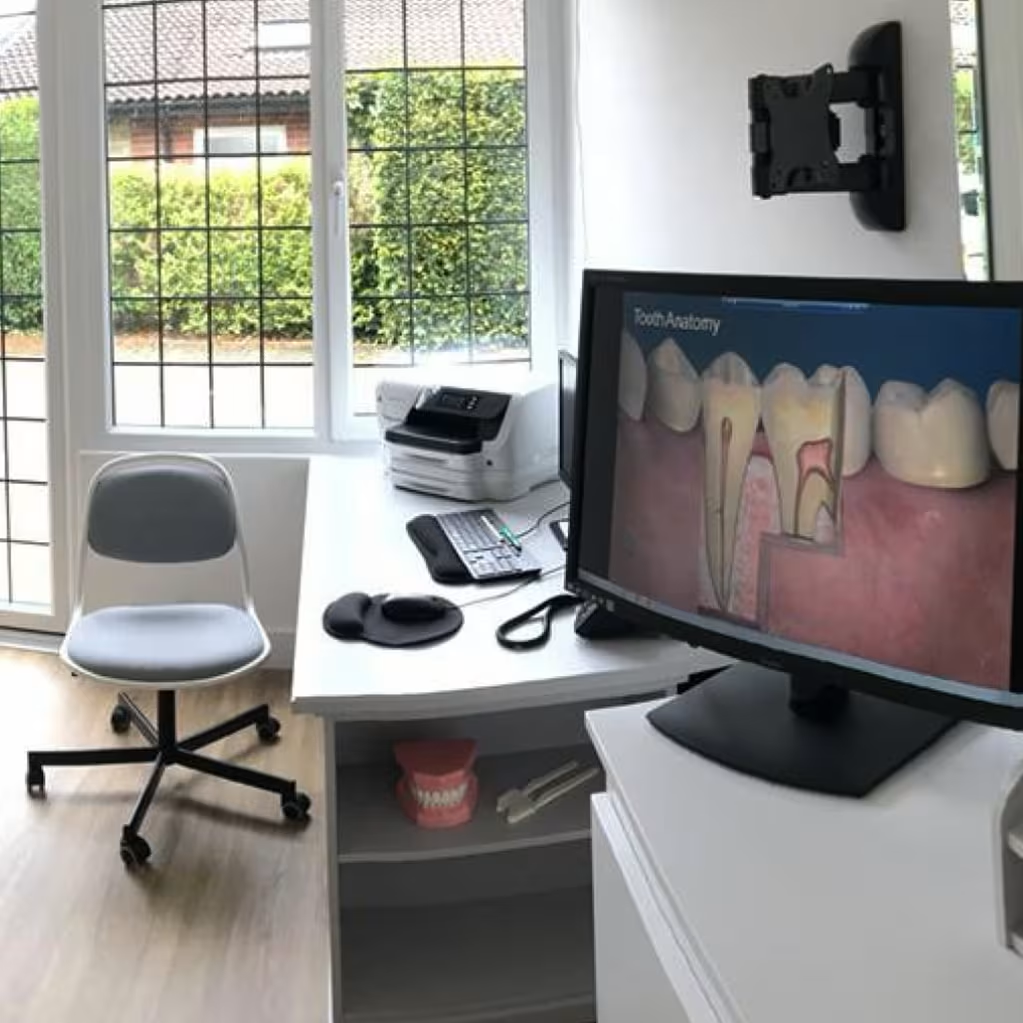
Tooth sensitivity – known clinically as dentine hypersensitivity – occurs when the dentine layer beneath the tooth’s outer enamel becomes exposed. Dentine contains thousands of microscopic tubules that connect to the nerve at the centre of the tooth. When these tubules are exposed to temperature changes, acidic foods, sweet foods, or even air, the fluid inside them moves – stimulating the nerve and producing the characteristic sharp, short-lived pain of tooth sensitivity.
The key words are short-lived. Sensitivity that produces a brief, sharp pain that passes quickly is typically dentine hypersensitivity. Pain that lingers for several seconds or minutes after the stimulus is removed, or that occurs spontaneously without any obvious trigger, suggests something more significant – potentially pulpitis or a cracked tooth – and warrants prompt professional assessment.
One of the most common causes of tooth sensitivity is the gradual erosion of tooth enamel by acidic food and drink. Citrus fruits, fizzy drinks – including sparkling water – fruit juices, wine, and vinegar-based foods all have the potential to soften and gradually thin the enamel layer over time, exposing the dentine beneath.
Enamel erosion is irreversible – once it’s lost, it doesn’t grow back. But the process can be slowed or halted by reducing the frequency of acidic food and drink consumption, rinsing with water after consuming acidic foods rather than brushing immediately (which can spread softened enamel across the tooth surface), and using a fluoride toothpaste that supports enamel remineralisation.
Tooth sensitivity from enamel erosion is particularly common in patients who drink sparkling water or fruit juice throughout the day – the repeated acid exposure adds up more than patients typically realise.
When the gum tissue recedes from the tooth – exposing the root surface beneath – tooth sensitivity often follows. The root surface is covered not by enamel but by cementum, a much thinner and less protective layer, and the dentinal tubules beneath it are more easily stimulated.
Gum recession can be caused by gum disease, aggressive tooth brushing with a hard-bristled toothbrush, or simply by the natural changes that occur with age. In patients with a history of periodontitis, recession is often the combined result of bone loss and the retraction of inflamed tissue as the disease is treated.
Where recession is causing tooth sensitivity and is related to gum disease, treating the underlying periodontal condition is the essential first step. Sharmila Khopade, our specialist periodontist, manages gum recession cases at The Briars, including soft tissue grafting procedures that can restore gum coverage and reduce sensitivity where this is clinically appropriate.
Bruxism – the unconscious habit of grinding or clenching the teeth, most commonly during sleep – is a significant cause of tooth sensitivity. The excessive forces involved in grinding wear down the enamel on the biting surfaces of the teeth, thinning it over time and eventually exposing the dentine beneath. The teeth can also develop small cracks that increase sensitivity further.
Tooth sensitivity from bruxism is often accompanied by other signs – worn, flattened biting surfaces, jaw muscle tenderness, headaches on waking, or a partner noticing the sound of grinding at night. If you recognise any of these alongside tooth sensitivity, it’s worth mentioning them at your next appointment.
The most common management for bruxism-related tooth sensitivity is a custom occlusal splint – a hard appliance worn at night that protects the teeth from the forces of grinding. This doesn’t stop the grinding itself, but it distributes the forces away from the teeth and prevents further enamel wear.
Tooth sensitivity following whitening treatment is entirely normal and usually temporary. The whitening gel works by opening the dentinal tubules to allow the bleaching agent to penetrate the tooth, and this temporarily increases sensitivity – particularly to cold.
At The Briars, we use Boutique and Enlighten professional whitening systems, both of which include desensitising agents as part of the protocol to minimise this effect. For patients who are already prone to tooth sensitivity, we discuss this before treatment begins and can adjust the concentration or frequency of whitening gel use to keep discomfort manageable.
Sensitivity from whitening typically resolves within a few days of completing treatment. If it persists beyond this, contact your dental team.
A cracked tooth can cause tooth sensitivity that’s difficult to pinpoint and unpredictable in character – sometimes triggered by biting in a specific direction, sometimes by temperature, and sometimes appearing to come and go without obvious pattern. This makes cracked tooth syndrome one of the more diagnostically challenging causes of tooth sensitivity.
Cracks can develop from bruxism, from biting on hard foods, from previous large fillings that have weakened the tooth structure, or from trauma. In some cases they’re visible; in others they can only be identified with careful clinical examination and specific tests.
If your tooth sensitivity is erratic, difficult to localise, or responds to biting pressure as much as to temperature, a cracked tooth should be investigated. Left unmanaged, a crack can extend through the tooth and into the root – making treatment far more complex than it would have been at an earlier stage.
Tooth sensitivity following a dental procedure – a filling, a crown preparation, a scale and polish – is common and usually temporary. The tooth has been subjected to stimuli during treatment, and it’s normal for it to take a few days or weeks to settle. This type of post-treatment tooth sensitivity isn’t a sign that anything has gone wrong.
Where sensitivity following a filling persists beyond a few weeks, or is worsening rather than improving, it’s worth contacting your practice. Occasionally a filling that sits slightly high in the bite can cause ongoing sensitivity that resolves once the bite is adjusted – a simple and quick procedure.
The right approach to tooth sensitivity depends entirely on the cause. For dentine hypersensitivity with no underlying pathology, a combination of desensitising toothpaste, fluoride treatments, and dietary advice is usually effective. For sensitivity caused by gum recession, treating the periodontal condition and potentially grafting. For bruxism, an occlusal splint. For a cracked tooth, investigation and appropriate restorative treatment before the crack progresses.
The common thread is that tooth sensitivity is worth investigating rather than simply tolerating – because the cause determines the treatment, and some causes get harder to manage the longer they’re left.
At The Briars, tooth sensitivity is assessed as part of every clinical examination. If it’s something you’re living with and haven’t mentioned to your dentist, bring it up at your next appointment – or get in touch to book one if you’re due.
The Oral Health Foundation has patient information on tooth sensitivity and its causes, which is worth reading alongside any clinical advice you receive.
Back to blog